Best Lemon Vibrator for Partners: A Couples' Guide to Shared Pleasure
Let's be real: bringing a vibrator into a relationship can feel loaded. One partner might worry it signals dissatisfaction. The other might feel uncertain about what to suggest. Both of you might wonder if it's "normal" to want this.
It is. And the couples who navigate this conversation well report deeper intimacy, not less.
I've worked with hundreds of couples over the years, and the ones who thrive are the ones who treat vibrator selection as collaboration, not compromise. This guide walks you through exactly how to do that.
Why lemon clitoral vibrators work especially well for couples
There's a reason lemon vibrators have become the go-to choice for partners exploring together. Unlike some vibrators that require positioning that pushes a partner out of the frame, suction toys like the Lem are designed to be integrated into partnered sex without awkwardness.
They're quiet enough that you won't feel self-conscious. They're intuitive enough that neither of you needs to be a tech expert. And here's the thing that really matters: they don't replace what a partner does. They enhance it. You're not choosing between the lemon vibrator and your partner's touch. You're layering them together.
Most couples find that introducing a lemon sexual toy actually opens up conversation about pleasure in ways that felt blocked before. "What pattern feels good to you?" becomes an easier question to ask. "Slower or faster?" becomes normal dialogue.
The conversation before you buy anything
This is where most couples stumble, so I'm going to give you the exact framework I recommend.
Pick a time that's not right before sex. You want space to actually think and talk, not adrenaline running. Something like a Sunday morning coffee or a drive counts. Anywhere that feels low-pressure and private.
One person initiates with something like: "I've been thinking about trying a vibrator together. I'm curious what you think." That's it. No explanation. No justification. Just an opening.
The other person's job is to listen without immediately agreeing or refusing. A good response sounds like: "Tell me more about that. What are you imagining?" Or even just, "Okay, I'm listening."
The person who brought it up then says what actually interests them. And here's the key: make it specific. Don't say "I think we should spice things up." Say: "I've read that some couples use lemon clitoral vibrators together, and I'm curious if that's something you'd be open to exploring." Specificity removes the vagueness that makes partners anxious.
Then ask your partner directly: "What's your feeling about that?" And listen to the actual answer, not the one you wanted to hear.
If your partner hesitates, that's information, not rejection. Ask what the hesitation is. "Is it something about vibrators generally, or something about how we'd use it?" is wildly more useful than assuming you know.
If your partner says yes, the next conversation is: "What would feel comfortable to you?" This is where lemon vibrators shine, because you can talk about: size, noise level, whether they want to hold it or you do, what patterns appeal to you both.
Choosing the right lemon vibrator as a couple
Here's what I tell couples to consider together:
Noise level matters more than you think. If you're anxious about being heard or embarrassed by sound, that anxiety will kill the whole experience. Lemon clitoral vibrators are notoriously quiet, which is one reason they're ideal for partners who are new to toys. There's less performance pressure.
Size affects access during partnered sex. A smaller vibrator like the Uno Vibrator gives your partner easier access to you and to themselves without the lemon toy getting in the way. A larger tool like the main Lem offers more surface area and different sensation patterns. Neither is "better." It depends on what you're imagining doing together.
Ease of use during sex matters. Can you hold it while your partner is touching you? Can they hold it while you're inside them? These sound like small logistics, but they're the difference between "this felt forced" and "this felt like a natural addition."
Battery life and charging. This sounds mundane, but nothing kills the mood faster than discovering your lemon vibrator is dead. Talk about whether you want something you can charge in advance or something that lasts longer between charges.
The honest recommendation I make to most couples: start with something mid-range and fairly intuitive, rather than the most expensive or feature-rich option. The Lem is brilliant, but if you're brand new to toys as a couple, it might be overkill. Something like the Berri Clitoral Vibrator offers solid sensation patterns at a price point where you both feel comfortable experimenting.
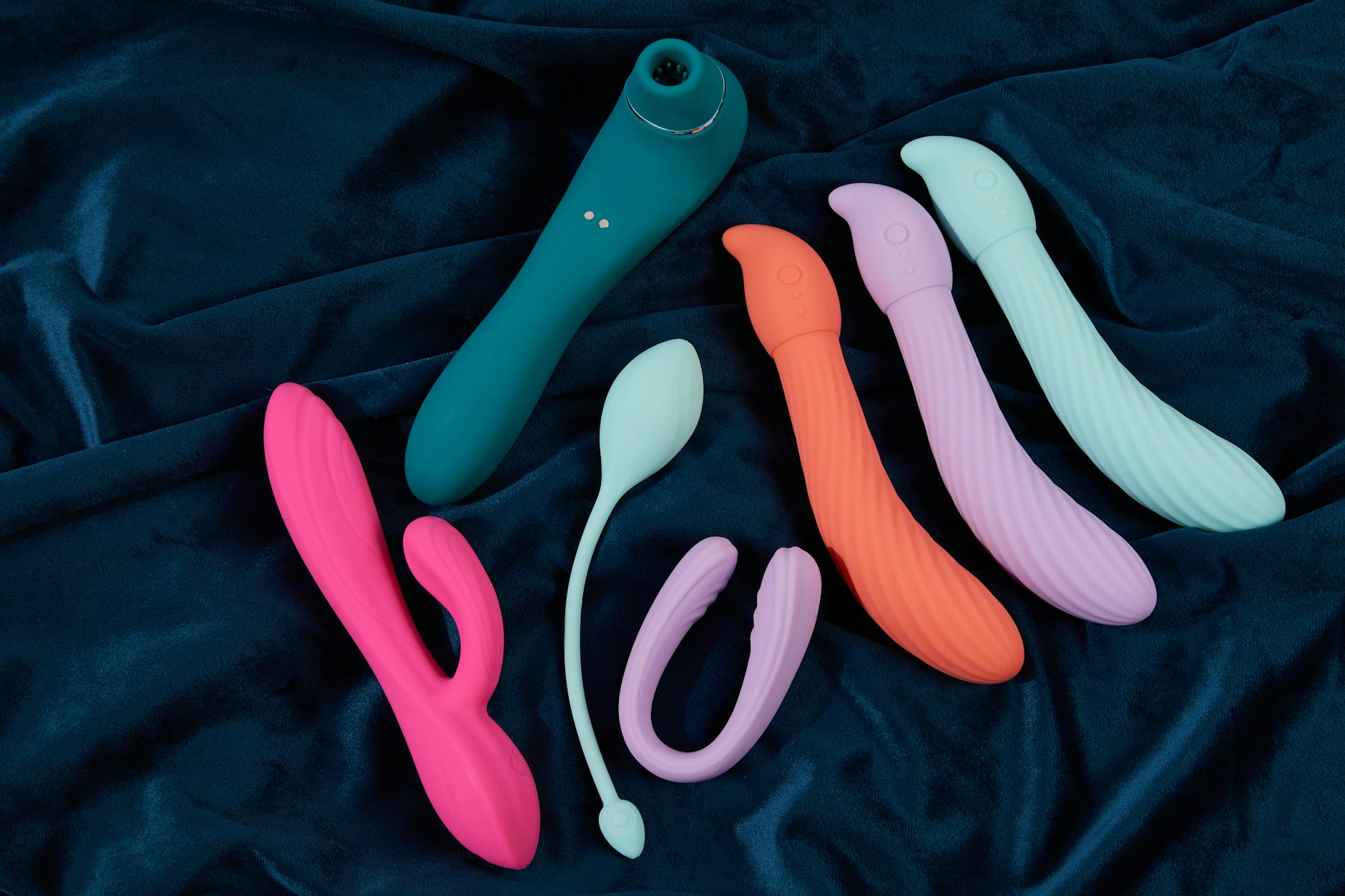
Photo by IFONNX Toys on Pexels
How to actually use a lemon vibrator together
Once you've chosen, the next hurdle is the first time. Here's what actually works:
Talk through it before clothes come off. "I'm thinking I'd like to use this while we're together. Would you want to hold it, or should I?" Decide that when you're not already aroused and in the moment. It's way easier to have logistics conversations in the living room.
When you do use it, start slowly. One partner doesn't immediately turn it to maximum. Start with a lower pattern, let your body adjust to the sensation, and let your partner observe what's working. This is actually more intimate than you might expect. There's something about someone watching you discover what feels good that deepens connection.
If you're the partner not using the vibrator, your job is not to vanish. This is where couples get it wrong. Stay present. Touch other parts of their body. Make eye contact. The lemon clitoral vibrator is an addition, not a replacement. You're both still in this.
After the first time, debrief. Not in a clinical way. Just: "How did that feel?" and "Want to do it again?" and "Anything you'd change?" This conversation is where the real intimacy builds. You're literally talking about pleasure together.
What to do if one partner is hesitant or uninterested
Some partners aren't immediately excited, and that's okay. Hesitation doesn't mean "no forever." It often means "I need more information" or "I'm worried about XYZ."
The most common worry I hear is: "Will they think they don't need me anymore?" That's real, and it deserves a real answer. "No. I want this because I want to experience more pleasure with you, not instead of you." That's not a lie you tell to convince them. That's usually the actual truth.
Other partners need to see it, hold it, read about how lemon sexual toys actually work before they feel comfortable. That's fine. Give them the space to get curious in their own time.
What I'd caution against: pressuring your partner into using a vibrator because you want to. That resentment festers. Better to say: "I'm interested in exploring this. If you ever want to try it, I'd love that. And if you don't, we don't need to." And then actually mean it.
Sometimes the answer stays no. And sometimes a year later, your partner brings it up themselves. Patience is its own form of intimacy.
When a lemon vibrator actually improves your sex life
I want to be clear: a vibrator is not a fix for a struggling relationship. If you and your partner aren't communicating well or aren't attracted to each other, adding a toy doesn't solve that.
But for couples who have a solid foundation and want more pleasure together? A lemon clitoral vibrator often unlocks something. Here's what I see happen:
Couples start talking more openly about what feels good. That conversation often spreads to other areas. They feel less inhibited. They laugh more during sex. The pressure to "perform" drops because there's a third element (the vibrator) that makes the whole thing less about whether one person is doing it right.
They also often discover that they like different things than they thought. One partner learns that they actually prefer a certain pattern. The other realizes they enjoy watching. These small discoveries rebuild attraction over time.
That's the real win. Not the vibrator itself, but what using it together unlocks in the relationship.
FAQ: Questions couples actually ask
Will using a lemon vibrator make my partner feel inadequate?
Not if you frame it right. The difference between "I need this because you're not enough" and "I want this to feel more pleasure with you" is everything. One is a criticism. The other is an invitation. If you genuinely mean the second thing, your partner will feel that.
What if we use a lemon sexual toy and then one of us wants it every time?
Then you have a conversation. "I've noticed we use this a lot. I'm curious if we're using it because it genuinely feels better, or if it's become a habit." Sometimes the answer is: we genuinely prefer it this way. And that's fine. Sex doesn't have to look the same every time. But sometimes you realize you miss the intimacy of sex without it, and you mix it up.
How do you clean a lemon clitoral vibrator so your partner isn't weird about hygiene?
Wash it with warm water and mild soap right after use. Seriously. This is not dramatic. You're not handling a biohazard. Just rinse it. Your partner will appreciate the thoughtfulness, and you'll both be more comfortable.
Should we buy a vibrator designed for couples or individual ones?
I actually think individual lemon clitoral vibrators work better for couples than "couples vibrators" marketed as such. Why? Because they're designed to work whether someone else is involved or not. They're less emotionally loaded. You're both choosing an object for pleasure, not choosing an object specifically "for us," which can feel performative.
Is it normal to prefer the vibrator to partnered sex?
It's normal to sometimes prefer it, yes. If it's always, that's worth examining. Are you avoiding intimacy with your partner? Are you anxious about partnered sex? Are you just in a phase where your body responds better to specific stimulation? All of those are different and need different conversations.
What if my partner wants to use a lemon vibrator but I'm not interested?
Your boundaries matter too. You don't have to participate in everything your partner is curious about. But you also don't have to ban them from exploring on their own. "I'm not interested in using it together, but I'm okay with you exploring that alone" is a completely valid boundary. Honor it.
The bigger picture
Introducing a lemon vibrator into your relationship is less about the toy itself and more about what it represents: permission to talk about pleasure without shame. Permission to want more. Permission to be curious together.
The couples I work with who do this well don't treat the vibrator as a Band-Aid or a secret. They treat it as what it is: a tool that can feel good and that they're exploring together. That openness, that willingness to be vulnerable about what you want, is what actually strengthens a relationship over time.
If you're sitting on the edge of this conversation with your partner, start small. Bring it up. Listen. See where it goes. The worst that happens is you have a conversation you should probably have anyway. The best that happens is you discover a whole new dimension of pleasure together.
That's worth the brief awkwardness of asking.