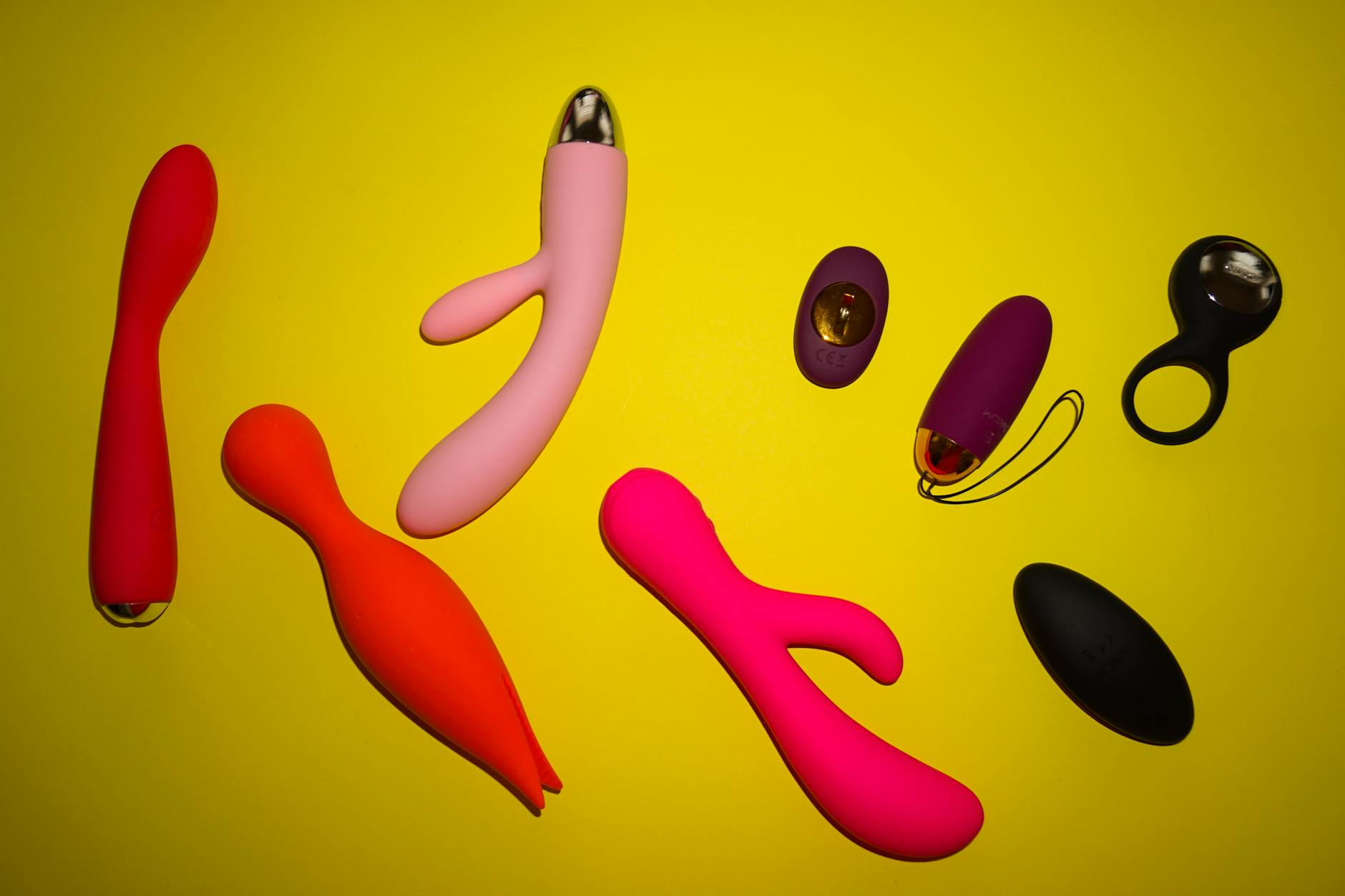
Let's settle this right now
Yes, regular use of a lemon vibrator (or any clitoral vibrator) can genuinely reduce how intensely you feel it. No, this doesn't mean your body is broken. And no, you don't need to throw out your toy and start over.
What you're noticing is a real neurological response called habituation. Your nervous system adapts to repeated stimulus, which is the same reason you stop noticing background music or your favorite sweater's weight after an hour. The good news: understanding what's happening lets you actually fix it.
The neuroscience behind vibrator habituation
Your clitoris is wired with thousands of nerve endings, mostly concentrated in the glans (the external nub) and frenulum (the inner V-shape). These nerves fire when they detect stimulation. When you use a lemon vibrator or other suction toy regularly, those nerves encounter the same pattern repeatedly.
Your sensory system is built to notice change. It's a survival feature. Your brain stops registering a steady stimulus as "novel" and gradually reduces how intensely it signals "Hey, this is happening." This is why the first pattern on your Lem feels electric the first few times, then settles into "pleasant" after consistent use.
This is not permanent. It's not damage. It's adaptation. The sensitivity reset once you change the stimulus or take a break.
Why some people notice it faster than others
Three variables matter: frequency, intensity, and individual nerve density.
If you're using your lemon clitoral vibrator four or five times a week on the same pattern at the same intensity, you'll notice the adaptation effect faster than someone using it twice weekly or rotating between different patterns. Your nervous system literally learns the rhythm.
Some people have naturally higher nerve density in the clitoris, which means more distinct sensory input to begin with. These folks often notice desensitization less because they have more neurological "bandwidth." Conversely, people with lower baseline sensitivity might notice adaptation more quickly because there's less margin before things feel muted.
Age, hormones, and medications all influence nerve sensitivity too. Estrogen supports nerve function and tissue sensitivity. If you're on antidepressants (SSRIs especially), your nervous system's ability to register pleasure is already being modulated, which can make vibrator habituation feel more pronounced.
How to know if it's really habituation and not something else
Before you assume your lemon vibrator is the problem, rule out the other culprits.
Battery drain. If you haven't charged your toy recently, the motor might be running slower than you think. The pattern feels less snappy. This is mechanical, not neurological. Charge fully and test.
Lubricant friction. Over time, lube can get sticky or tacky. This creates drag that mutes sensation. Clean your toy thoroughly and apply fresh water-based lubricant. If that restores the intensity, it was lube, not habituation.
Pelvic floor tension. If your pelvic floor muscles are tight (from stress, sitting, or anxiety), they literally clamp down and reduce blood flow to the vulva. Tighter tissue = less reactive tissue. Do 5 minutes of pelvic floor stretches (happy baby pose, butterfly stretch, or intentional relaxation breathing) before using your toy. If sensation rebounds, tension was the bottleneck.
Hormonal shift. Menstrual cycle phases, birth control changes, or menopause all affect clitoral engorgement and sensitivity. If your toy feels less intense during certain weeks, it might be hormonal, not habituation. Track it for two cycles.
If you've ruled out battery, lube, tension, and hormones, and you're still noticing a gradual decline over weeks or months of regular use, you're dealing with habituation.
The fastest way to reset sensitivity
Take a break. Genuinely.
Three to seven days of zero toy use is the standard reset window. Your nerve endings will stop habituating and recalibrate their baseline. For many people, returning to the toy after a week feels genuinely surprising. The intensity snaps back.
If taking a full break isn't appealing (or if you use your lemon vibrator as part of partnered sex that you don't want to pause), rotate your patterns. Never stay on pattern 3 for weeks at a time. Alternate between patterns 1, 2, and 4. Swap between constant suction and pulsing modes. Change the duration. Every variation forces your nervous system to recalibrate.
Alternately, switch to a different toy for a week or two. If you own a Lem from Hello Nancy, try the Uno vibrator or Berri clitoral vibrator for a few days. A completely different sensation pathway resets your sensitivity faster than you'd expect.
Build sustainable rotation into your routine
You don't need to take months off your lemon vibrator to stay sensitive. You need structure.
Think of it like music: listening to the same album on repeat for two weeks makes you stop hearing it. Rotating playlists keeps everything fresh. Same principle.
Here's what I recommend to most people:
Pattern rotation. Pick three different patterns on your Hello Nancy toy. Use them in a schedule: Pattern A on Monday, Pattern B on Wednesday, Pattern C on Friday. This prevents your nervous system from settling into a single stimulus loop.
Weekly break. One full week per month with no vibrator use. This hard reset is worth it. Your nerve endings will thank you. Ironically, the week after a break often produces the strongest orgasms.
Intensity variation. Don't always start at your favorite intensity and push higher. Sometimes start low and build slowly. Other times alternate between high and low within a single session. This variation keeps your sensory system engaged.
Mindfulness on application. If you're using your lemon sucker while distracted (scrolling, watching something, on autopilot), your brain isn't fully processing the sensation. You'll habituate faster. Set aside 10-15 minutes without other stimuli. Your attention literally amplifies what you feel.
When you're in a relationship, talk about this
If you're using a lemon vibrator with a partner, this conversation matters. Your partner might interpret reduced sensitivity as reduced attraction, when it's purely neurological.
"I'm noticing my toy feels less intense when I use it a lot. I'm going to take a break next week and rotate patterns." That's it. You're not criticizing their touch or the dynamic. You're managing your own sensory health.
Many couples find that pairing vibrator breaks with more direct partner stimulation actually deepens things. When you're not relying on the same tool every time, penetration, hands, and mouths feel fresher too.
What's normal and what's not
Normal: Noticing that pattern 3 on your Lem feels gentler after three weeks of daily use. This is textbook habituation.
Normal: Sensitivity rebounding after a five-day break. Your nervous system is working right.
Normal: Needing pattern 4 instead of pattern 3 after three months of regular use. Adaptation is real.
Not normal: Sharp pain, numbness that doesn't resolve after a break, or sudden loss of sensation across your entire vulva. If that's happening, stop using the toy and see a gynecologist. This suggests tissue irritation, not simple habituation.
Not normal: Feeling nothing even on your highest intensity after just a few uses. If it's that fast, your lube is probably muting sensation, your toy's motor is weak, or your pelvic floor tension is extreme. Rule those out first.
The truth about keeping sensation alive long-term
Thousands of people use lemon vibrators, Lem toys, and other clitoral vibrators for years without losing sensitivity. The difference between those folks and people who struggle? They rotate. They take breaks. They pay attention to what's changing and adjust.
Your nervous system wants novelty. Give it that, and your body will stay responsive. Use the same pattern at the same intensity every single time, and yes, you'll eventually feel less. That's not a flaw in the toy or your body. That's how sensation works.
If you're someone who loves consistency and routine, that's fine. Just know that your nervous system will adapt, and the reset is simple: one week off or a rotation to a different tool. If you're someone who thrives on variety anyway, rotating patterns from day one means you probably won't notice habituation at all.
Questions people ask
How long does sensitivity reset take?
Three to seven days of zero use resets most people. By day five, many report noticing the difference. Some people need the full week. A month of consistent breaks (like one week off per month) keeps sensitivity stable long-term.
Can I use my lemon vibrator too much?
There's no hard limit. If you're using it daily and it feels good, that's fine. Just pair that with pattern rotation and a weekly break monthly. The issue isn't frequency. It's repetition of the exact same stimulus.
Does stopping vibrator use completely make sensitivity come back faster?
Not necessarily faster, but it does reset more fully. A week-long complete break resets most people completely. A shorter break with pattern rotation resets partially but faster. Neither is objectively "better." Pick what fits your life.
What if I'm on antidepressants and feel like my lemon vibrator is less intense?
SSRIs reduce baseline sensitivity across your body as a known side effect. This isn't vibrator habituation. Talk to your doctor about whether your dosage is right and whether you could see someone about sexual side effects specifically. Some people switch medications, some adjust the dose, some add a medication that specifically counters sexual side effects. You have options.
Do expensive lemon clitoral vibrators desensitize you less than cheaper ones?
Not inherently. Habituation is neurological, not material-based. A well-designed toy with reliable patterns (which Hello Nancy's tools are) gives you better rotation options, so you can prevent habituation more easily. But the expensive toy and the cheap toy will both trigger adaptation if you use the same pattern daily for months.
Should I get a new toy when sensitivity drops?
Not immediately. Try a break or rotation first. If you love your lemon vibrator and it still works, there's no reason to abandon it. A lot of people treat sensitivity drop as an excuse to upgrade, when actually, the fix is behavioral, not material.
The bottom line
Your lemon vibrator hasn't stopped working. Your nervous system has simply adapted to a familiar stimulus. That's entirely normal, entirely reversible, and entirely manageable. Rotate your patterns. Take weekly breaks monthly. Pay attention to what's changing. Do that, and you'll keep sensation sharp for years.
If you want support figuring out what's right for your body and your situation, reach out. That's what I'm here for.