The mismatch that kills relationships
Let's be real. Mismatched desire is one of the top reasons couples stop having sex altogether. One partner wants it three times a week. The other hasn't wanted it in months. The gap doesn't just sit there neutral. It fills up with resentment, guilt, rejection, and eventually, silence.
Here's the thing nobody talks about: introducing a tool like a lemon vibrator isn't about "fixing" the person with lower desire. It's about giving both of you a new way to connect that doesn't require the lower-desire partner to perform labor they don't feel like doing.
That distinction changes everything.
Why the higher-desire partner stays stuck
When there's a mismatch, the person who wants more sex faces a brutal choice. Push for it and feel like a pest. Accept less and feel invisible. Neither option feels good. Over time, resentment builds. The lower-desire partner picks up on the frustration and feels even less like sex because now it's tangled up with guilt.
You're trapped in a cycle that looks like this: initiating feels awkward, so the higher-desire partner stops trying, which makes the lower-desire partner feel safer, but then the higher-desire partner feels rejected and lonely, which makes them pull away emotionally, which makes actual intimacy even less likely.
A lemon vibrator can interrupt that cycle because it offers a third option that doesn't exist in typical mismatched-desire scenarios.
The breakthrough: parallel pleasure instead of synchronized performance
Here's how couples with mismatched desire actually use a lemon clitoral vibrator together without pressure.
Instead of trying to align on the same arousal schedule, you create a scenario where pleasure can happen in the same room but doesn't require synchronized effort. One partner might use the vibrator for their own pleasure while the other is present, touching, talking, or just lying beside them.
This is not a workaround for the real thing. It's a way to maintain physical connection and intimacy when synchronized sex feels like a negotiation.
I've worked with hundreds of couples where this exact shift changed the conversation from "Why don't you want me?" to "Let's figure out what we both actually enjoy." That's the relationship repair happening, not the toy.
Three ways couples use it when desire feels unbalanced
The parallel setup. The higher-desire partner uses a lemon vibrator for solo pleasure while their partner watches, touches, or engages however they want. No performance pressure. No countdown to orgasm. If the lower-desire partner wants to participate, they can guide the intensity, choose the setting, or just be present. If they want to stay quiet and observe, that's fine too.
The collaborative edge. The lower-desire partner sits with the vibrator while the higher-desire partner is present and engaged. Maybe they're kissing. Maybe they're talking dirty. Maybe they're just holding space. The lower-desire partner controls the pace and intensity completely. The higher-desire partner gets to feel needed and connected without asking for something the lower-desire partner doesn't want to give.
The solo respite. The lower-desire partner encourages their higher-desire partner to take a lemon vibrator to the bedroom solo while they're still home but giving space. This sounds like it increases distance, but in practice, couples report feeling less resentful about it because it's intentional and agreed upon rather than shameful. Knowing your partner isn't suffering alone in the house actually softens the guilt.
The conversation you need to have first
Don't just produce a vibrator and hope your partner understands the intention. That will land as pressure or criticism, exactly what you're trying to avoid.
Here's how to actually bring it up: "I've been thinking about how we can both feel good without either of us feeling guilty. I found something that might help us stay connected even when we're not on the same page about frequency. Would you be open to talking about it?"
Notice what's not in that sentence: judgment, pressure, or the implication that something is broken. You're offering a tool for connection, not a solution to someone's "problem."
If your partner is hesitant, don't push. Ask what they're worried about. Often it's fear that the vibrator will replace them, or shame that they don't want sex as much. Address the actual fear, not the vibrator question.
Why a lemon clitoral vibrator works better than alternatives in this scenario
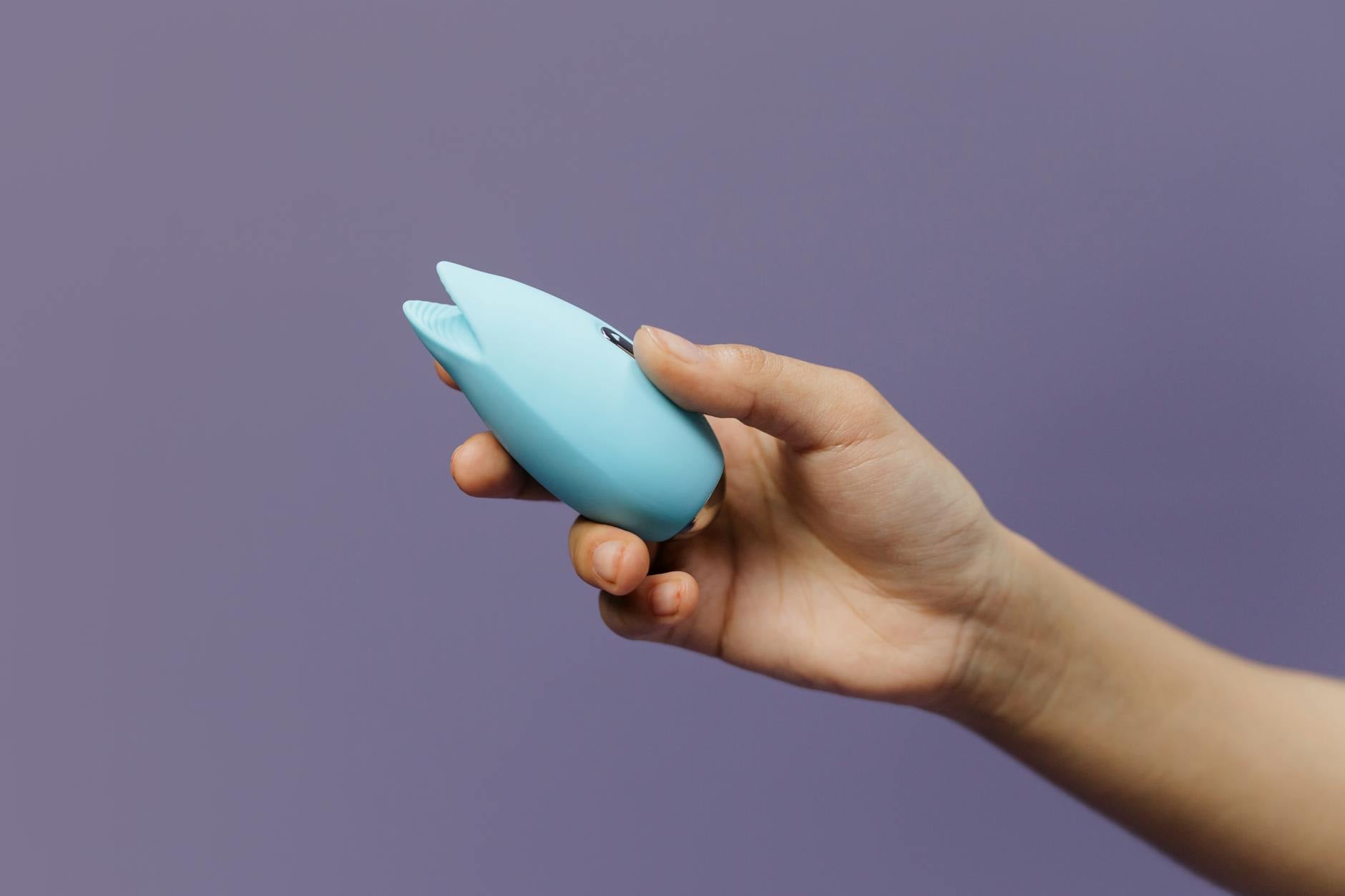
A lemon vibrator is a suction-based device, which means it works differently than traditional vibrators. For partners with lower desire, that difference matters because it feels less clinical and more intimate. The suction sensation is closer to oral sex than buzzing, which can feel more sensual and less clinical for someone who's already hesitant about penetration-focused pleasure.
Also, lemon vibrators tend to require less hands-on setup than other toys. You don't need to explain a complicated interface or worry about someone feeling embarrassed using it wrong. That lower friction matters when you're trying to introduce something that already feels awkward.
Managing the guilt and shame
Almost every lower-desire partner I work with feels guilt. They think something is wrong with them. They think they're failing their partner. Using a lemon vibrator together sometimes helps dismantle that because it reframes pleasure as collaborative instead of obligatory.
But the guilt won't disappear just because you have the right toy. You might need a conversation with a therapist who specializes in desire discrepancy. Sometimes the lower desire is rooted in past trauma, sometimes it's a sign that emotional intimacy has fractured, sometimes it's a medication side effect, and sometimes it's just how that person is wired.
A lemon vibrator can help you stay connected while you figure out which one it is.
What changes when you try this
Couples who shift from pressure to parallel pleasure often report that sex stops feeling like a chore for the lower-desire partner. Weirdly, that's when they sometimes want it more. Not because the vibrator magically fixed their libido, but because sex no longer carries the weight of expectation.
The higher-desire partner also shifts. Instead of feeling rejected, they feel seen. Their partner is choosing to be present and engaged, even if that doesn't always mean penetrative sex or synchronous orgasm.
That's real intimacy. That's what actually holds couples together.
The boundaries still matter
Using a lemon vibrator together doesn't mean anything goes now. You still need to check in. You still need consent. You still need to talk about what feels good and what doesn't.
If the lower-desire partner feels coerced or guilty during a session, that's a sign you need to pause and recalibrate. This strategy only works if both people genuinely want to try it.
When to bring in professional help
If mismatched desire is paired with other relationship tension, a vibrator alone won't fix it. A couples therapist who specializes in sexual dynamics can help you understand whether the desire gap is a symptom of something deeper.
If the higher-desire partner is feeling resentful beyond what a shift in approach can address, or if the lower-desire partner is withholding sex as punishment, you're dealing with relational issues that need more than a tool.
But if you're both willing to show up differently, a lemon clitoral vibrator can genuinely help you stay connected through a phase of life where your rhythms don't match.
What comes next
Mismatched desire doesn't have an expiration date. Some couples navigate it for years. Others find that using lemon vibrators together becomes their preferred way to connect, period. That's valid. That's intimacy.
The goal isn't to synchronize your desires. It's to stop resenting each other for having different ones. A lemon vibrator is just the thing that makes that possible.
If you're ready to try a new approach with your partner, talking honestly about what you both actually need is the first step. Once you're on the same page, a quality vibrator makes everything easier.
People also ask
Will using a lemon vibrator with my partner make them feel replaced?
Not if you frame it correctly. The key is communicating that you want to stay connected, not that you're settling for a substitute. Using a lemon clitoral vibrator together is collaborative, not lonely. In fact, most couples report feeling closer because they're choosing to prioritize pleasure together rather than avoiding the topic entirely.
Can my lower-desire partner use the vibrator solo if they don't want me involved?
Absolutely. Some lower-desire partners find it helpful to explore their own pleasure separately first, especially if they've had pressure or shame around sex. That solo exploration can actually build confidence and desire over time. The key is that it's their choice, not something you're asking them to do instead of partnered sex.
How do we talk about introducing a lemon vibrator without it feeling like criticism?
Frame it as a tool for connection, not a fix. Try: "I want us to keep feeling close, and I think this might help us both enjoy ourselves without pressure." Avoid language like "you should want sex more" or "maybe this will help you." Keep it about your shared pleasure, not their perceived problem.
Is a lemon sucker better for mismatched desire than other vibrators?
Suction-based vibrators like a lemon vibrator feel different and often more intimate than traditional vibrators because they mimic oral sensation. That can feel less clinical and more sensual for partners who are already hesitant. But the tool matters less than the conversation and consent you build around it.
What if my partner refuses to try anything at all?
Then you have a bigger conversation about whether you're both willing to work on this together. If they won't engage with the problem, a vibrator won't fix it. You might need a couples therapist to help you both feel heard and find a path forward that works for both of you.
How often should we use a lemon vibrator together if we have mismatched desire?
There's no "should." Let it be organic. Some couples do this weekly, some monthly, some when they feel emotionally connected and want to play. The point is it's optional and pressure-free, which is the opposite of how mismatched desire typically feels. Let it evolve naturally based on what you're both enjoying.
Next steps
If mismatched desire is creating distance in your relationship, start with the conversation before you introduce any tool. Let your partner know you want to reconnect and you're open to new ideas. Once you're both willing to try something different, a quality lemon vibrator gives you a practical way to do it.
If you're struggling with deeper relational issues underneath the desire mismatch, reach out to a couples therapist. For advice on how to get started with communication or finding support, we're here to help.
Your pleasure matters. Your partner's needs matter. Finding a way to hold both at the same time is what real intimacy looks like.