The reunion nobody talks about
You're together again. And something feels off. Not emotionally—the feelings are there. But physically? Your body doesn't quite remember how to respond. Touch that used to feel automatic now feels like relearning a language you thought you knew fluently.
This is real. Long-distance relationships create a particular kind of disconnect, and the reunion phase is harder than either of you expected.
What months apart actually does to your body
When you're long-distance, your nervous system adjusts. Physical touch stops being part of your daily rhythm. Your brain stops automatically priming your body for arousal because it hasn't needed to. The pathways are still there, but they're dormant. It's not laziness or lost attraction. It's neurology.
For many people, especially those with vulvas, this shows up as reduced sensitivity or a slower ramp-up to arousal. You might need more time to feel aroused. Orgasms might feel less accessible than they did before. Some people report that familiar touches feel almost foreign at first. This is normal, temporary, and completely solvable.
The second issue is psychological. You've both been managing intimacy differently for months. Maybe you relied on sexts or video calls. Maybe you deliberately didn't, to avoid feeling worse. Either way, you're bringing a new dynamic back into the room with you. That takes adjustment.
Why lemon clitoral vibrators make the reconnection smoother
Here's where lemon vibrators come in, and why I recommend them specifically during this phase.
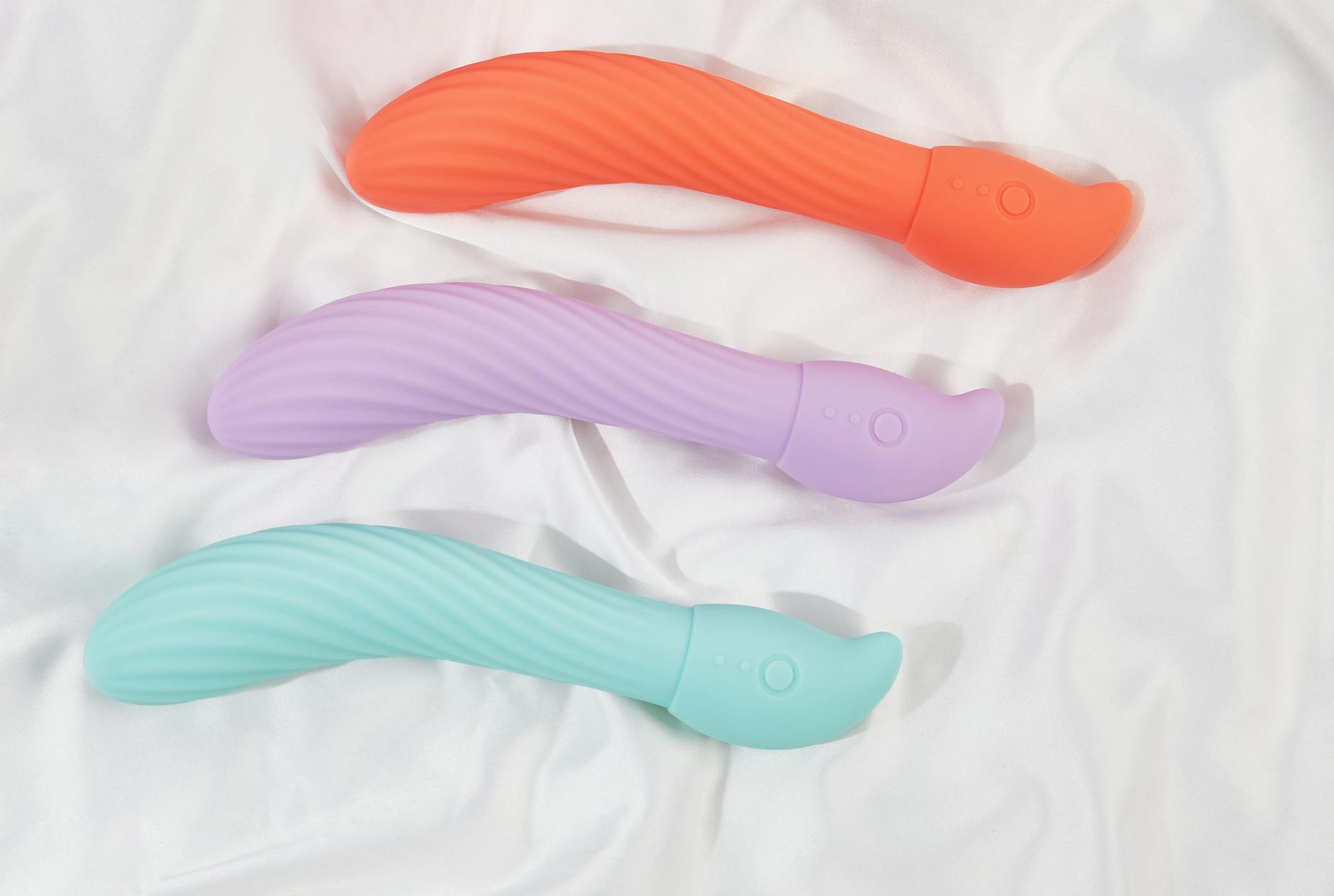
A good lemon sucker like the Hello Nancy clitoral vibrator uses suction rather than vibration. That matters. Suction doesn't require your body to be "ready" in the same way that vibration does. It works with your nervous system rather than asking it to perform. You're not building arousal from zero. The vibrator is doing some of that work for you.
This takes the pressure off. And pressure is the enemy of reconnection sex.
Second, lemon clitoral vibrators are quiet and discreet. If you're reconnecting after long distance and you're feeling vulnerable or awkward (which most people are), the ability to use something alone first matters. You can reacquaint yourself with pleasure privately before bringing a partner into the equation. That solo exploration is not a detour. It's essential groundwork.
The three-phase reconnection approach
Phase one: Solo rediscovery (week one, ideally).
If you can, spend time with a lemon vibrator alone before partnered sex. This isn't about orgasm as a goal. It's about remapping sensation. Start with lower settings. Spend 15 minutes just experiencing what pleasure feels like in your body again, no rush. This tells your nervous system that pleasure is safe and available. It primes your body for what comes next.
Phase two: Partnered non-penetrative play (weeks one to two).
Bring the vibrator into partnered time, but not in service of penetrative sex. Your partner can hold it. You can hold it. The goal is for both of you to remember what your body feels like when it's responding to stimulation. This is where real reconnection happens. You're literally relearning each other's bodies with lower stakes and less performance pressure.
Phase three: Integration (week two onward).
Once you've both remembered that pleasure is available and accessible, then you can start integrating lemon vibrators into the sex you're already having. Or don't. By this point, you've usually already started feeling more like yourselves again.
The emotional piece that changes everything
I want to name something that doesn't show up in most reconnection advice: you might feel guilt about needing a tool. You might think "we should just be able to have sex again naturally." This is the narrative that makes reconnection harder.
Using a vibrator isn't a symptom of a problem. It's a tool that acknowledges a real gap and bridges it efficiently. You wouldn't apologize for using lube after months apart. A lemon clitoral vibrator is the same category of thing: a practical acknowledgment that bodies change, nervous systems need time, and there's zero shame in making the transition smoother.
Talk about it. Before you use one with a partner, say it out loud: "I want to use this because I think it'll help us both feel more connected, and I'm a little nervous about jumping straight back into how things were." That honesty, right there, often does more for intimacy than the vibrator itself.
Managing specific reconnection challenges
If arousal is slow to return. Give yourself permission. Slow arousal isn't broken arousal. Using a lemon vibrator on lower settings actually trains your nervous system to wake up gradually rather than suddenly, which often feels more sustainable long-term.
If penetrative sex feels uncomfortable or tight. You might be holding tension because you're anxious. A lemon sucker can help you relax into arousal before penetration is even on the table. This alone often solves the problem within a week or two of regular use.
If you're worried about comparing this phase to the beginning of your relationship. Stop. Early-relationship sex and mid-long-distance-reunion sex are completely different experiences. One isn't better. They're just different. Lemon vibrators help you meet yourself where you actually are, not where you wish you were.
What to actually do this week
If you're reuniting or about to, here's the action step: buy or borrow a lemon clitoral vibrator this week. Not because you're broken. Because you're smart. Then follow the three phases above. Solo first. Then partnered without pressure. Then integrated, if it fits.
Most couples report that within two to three weeks, the reconnection anxiety has dropped significantly. Physical intimacy starts feeling like yours again instead of like something you're recovering.
Long distance ends. Your relationship survives it. And then you get to remember what it feels like to actually touch your partner again. That's worth a little preparation.
People Also Ask
How long does it typically take for intimacy to feel normal again after long distance?
Most couples report significant shifts within two to three weeks of regular physical contact. The first week is usually the most awkward. After that, familiarity starts returning. That said, emotional intimacy sometimes takes longer than physical intimacy to fully recalibrate, especially if you spent months relying on deep conversations. Give yourself at least a month before you decide something is "wrong." In most cases, by week four, you're back to recognizing each other's bodies.
Does using a vibrator make partnered sex feel different when you're reuniting?
It can, but usually in a positive way. The specific feature of lemon clitoral vibrators is that they teach your nervous system to expect and recognize pleasure again. Once your body remembers what arousal feels like, partnered sex often feels easier and more intuitive. Some people find they can orgasm more reliably with a partner afterward because they've recalibrated what their pleasure threshold is. The vibrator isn't a replacement. It's a reset button.
Is it normal to feel anxious about sex again after long distance?
Completely normal. Your brain has spent months associating your partner with video calls and texting, not physical vulnerability. When you're suddenly in a room together with the expectation of sex, that's a significant nervous system shift. Some anxiety is just your body and brain catching up. Using tools like lemon vibrators actually reduces anxiety because they remove the pressure to perform and make pleasure feel accessible rather than like something you have to earn or achieve.
Should I use a lemon vibrator alone before bringing it into partnered sex?
Yes, ideally. Not because partnered use is bad. But because solo use lets you rebuild your relationship with your own pleasure without any pressure or performance anxiety. That confidence translates directly into partnered sex. You'll feel more like yourself, and that's contagious.
What if my partner feels threatened by the idea of using a vibrator during reconnection?
This conversation is worth having before any reconnection happens. You might say something like: "I want to make sure we both feel good and connected again. I've read that using a vibrator can actually help both of us relax into intimacy faster. I'm thinking of us, not instead of you." Most partners, when they understand it's a tool for mutual reconnection rather than a replacement, become supportive. If they don't, that's a different conversation, and worth exploring with a couples therapist.
Can lemon vibrators help if I'm worried about disappointing my partner or vice versa?
Absolutely. Removing the pressure to perform is actually the fastest way to reconnect. When neither of you is worried about whether sex will "work," you can focus on the experience of being together. A lemon clitoral vibrator is permission to lower the stakes. It says: we're going to make sure you feel good, and you don't have to white-knuckle your way through this. That changes everything.
The real work of reconnection
Long-distance relationships test your foundation. Coming back together tests it again, in a different way. The physical reconnection phase is short, and it's solvable. Using lemon vibrators thoughtfully can compress the awkward timeline significantly. More importantly, it normalizes talking about pleasure and bodies and needs with your partner, which is the real intimacy work that long distance often leaves undone.
Your body remembers how to feel good. It just needs a little help remembering. And that's not weakness. That's wisdom.