When ED lands, everything shifts
Honestly though, let's name what just happened. Your partner got a diagnosis or couldn't perform, and now you're both pretending everything is fine while something fundamental has cracked. He's spiraling into shame. You're swallowing disappointment. Neither of you wants to say out loud that this changes things.
It does. And that's exactly why we need to talk about it.
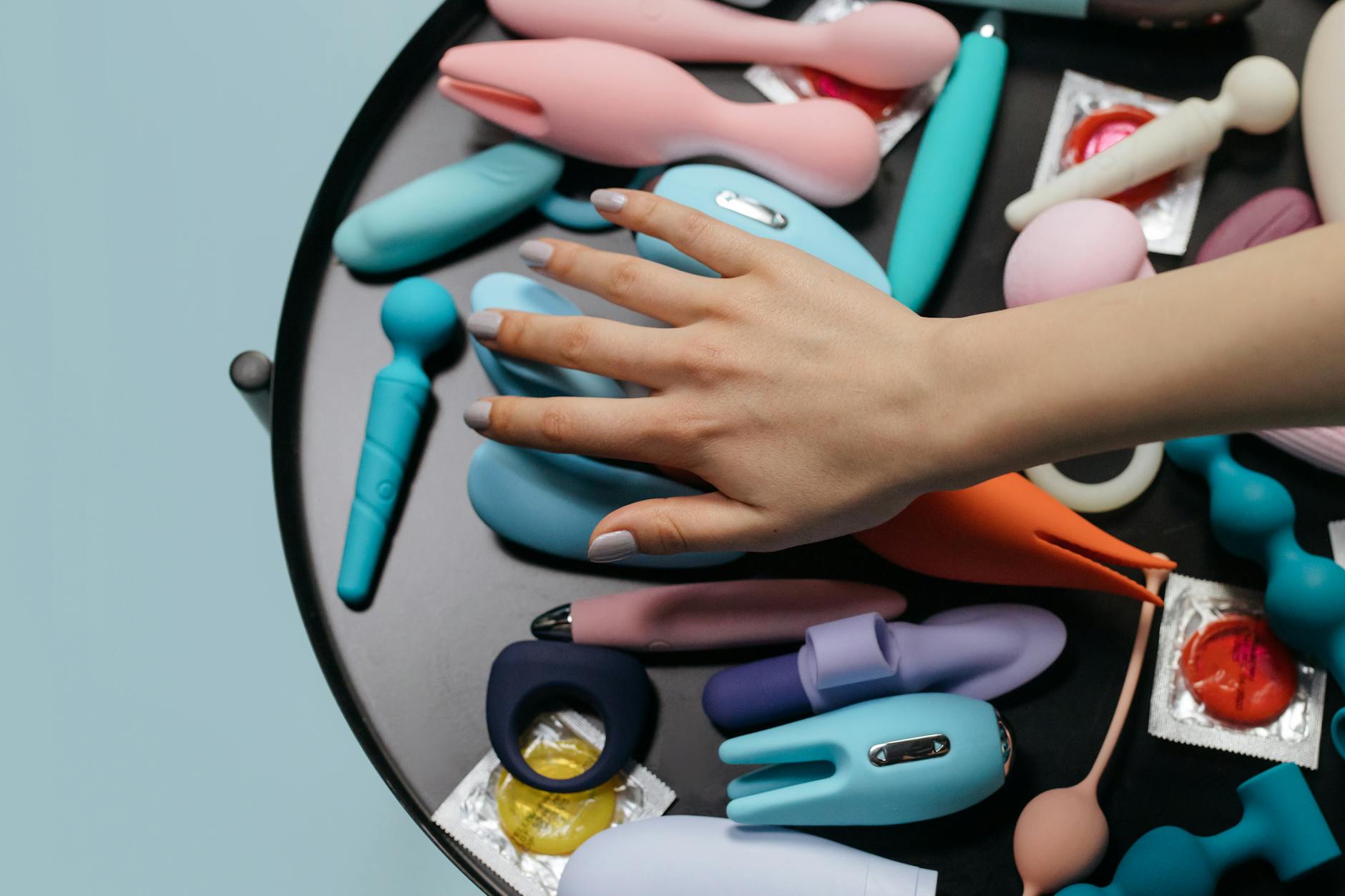
Erectile dysfunction is not a referendum on your desirability. It's not a sign your relationship is dying. It's a physiological issue, sometimes temporary, sometimes chronic, that requires a recalibration of how you both approach pleasure. And here's the thing that nobody mentions: lemon clitoral vibrators, and specifically the suction-based design of toys like the Lem, can actually become the bridge that lets you both come back to each other.
What erectile dysfunction actually does to couples
When one partner can't achieve or maintain an erection, the usual script breaks. The penetration that was the main event suddenly becomes unreliable. Both partners freeze because the familiar pathway is gone. He feels emasculated. You feel rejected. The sex stops, and so does a lot of the physical affection that wasn't explicitly sexual. You're both waiting for him to "get better" before intimacy can resume.
This waiting is the trap.
Here's what I see in my therapy room repeatedly: couples who pause sex entirely during ED end up disconnected for months or years. The shame compounds. The avoidance gets deeper. By the time ED resolves, so has the relationship's ability to be physically close.
There's a better path. It involves using lemon vibrators not as a workaround, but as a deliberate rebuild.
Why lemon vibrators work specifically for this transition
Let me be practical. When your partner's having ED issues, the last thing you both need is another reminder of what's not working. Traditional penetration suddenly becomes a performance metric. Everyone's watching. Everyone's anxious.
A lemon clitoral vibrator removes that pressure entirely. It's not about his erection. It's not a replacement for him. It's a separate pleasure circuit that belongs to you.
Here's why that matters: when he watches you experience pleasure that has nothing to do with his body's function, something shifts psychologically. He's not the problem anymore. He's the witness. He's invited back into intimacy without the weight of performance. And for you, you get to feel desired and pleasured in a context where his ED isn't making the room tense.
Lemon vibrators work here because they're discreet, because they don't require his participation, and because they feel like a choice, not a consolation prize.
The conversation you need to have first
Before you bring a lemon vibrator into the bedroom, you need to talk. Not about ED itself. Not about his feelings. About what pleasure looks like now.
Here's what that conversation might sound like: "I miss being close to you. I also know this is hard for you. I want to find ways we can both feel good that don't put pressure on either of us. Would you be open to exploring that together?"
Notice what that does. It frames the solution as collaborative, not compensatory. You're not saying "I need this because you can't." You're saying "I want this for both of us."
If he's resistant, that's often shame talking. Ask what he needs to feel less anxious. Sometimes it's reassurance that you're not looking elsewhere. Sometimes it's permission to slow down. Sometimes it's just knowing that you're not keeping score.
The conversation will probably be awkward. That's good. Awkward means you're being honest.
How to use a lemon vibrator together after ED
Start small. Vulnerability is highest when you're most exposed, so build up gradually.
First time: you use it alone while he's present. Just that. He watches, touches you, participates in whatever way feels natural. There's no performance expectation on him. He's just invited to the experience. Many partners find that watching their partner enjoy pleasure is actually calming. The pressure shifts. It becomes about you, not him.
Second time: you might ask him to hold it, or guide it. This gives him a role that feels intimate without requiring an erection. He's part of creating your pleasure.
Third time: explore whether he wants to be touched while you use it. Not penetration. Just touch. Kissing, being close, whatever feels right.
The timeline here is flexible. This might take weeks. That's not slow, that's smart.
Many couples find that once they've established this new rhythm, ED becomes less central to their intimacy. Why? Because pleasure isn't contingent on it anymore. You've decoupled your satisfaction from his erection. That paradoxically often helps the ED resolve itself because there's less performance anxiety.
What lemon sexual toys teach you both
Here's what I've learned working with couples navigating this: sometimes a device teaches us something we needed to know about ourselves anyway.
For him, it might be that his role in your pleasure doesn't have to look like traditional sex. There's relief in that realization. He can be intimate, be desired, contribute to your experience without his body cooperating in the exact way he's been programmed to expect.
For you, it might be recognizing that you have agency over your own pleasure. You don't have to wait for him to feel good. A lemon vibrator is quiet, portable, and belongs entirely to you. That's freedom.
For both of you together, it's learning that sex is bigger than one script. When that script breaks, you get to write new ones.
When to bring a professional in
If ED is new and severe, see a doctor. There are medical interventions: medications, hormone therapy, vascular treatments. Some ED is fixable, some is manageable, some is permanent. You want to know which category you're in.
If the conversation about pleasure stalls or he's deeply ashamed, a therapist who specializes in sexual health is worth the investment. This isn't weakness. It's giving yourself the best shot at rebuilding.
If you're both trying but the resentment is building anyway, that's your signal to get professional support sooner rather than later. ED is hard enough without relationship rupture happening in parallel.
The long game
Most couples think ED means their sex life is over. Then they use it as permission to rebuild intimacy in ways that actually work better for both of them. The lemon vibrators, the communication, the willingness to explore. These things often create deeper connection than what came before.
Your partner's ED is real and it matters. So does your pleasure. So does your relationship. A lemon clitoral vibrator isn't the solution to erectile dysfunction. But it might be the permission you both needed to stay connected while he's figuring it out.
People also ask
Can we use a lemon vibrator if my partner's anxiety makes ED worse?
Yes, and specifically because of that. ED often becomes cyclical: he can't perform, he feels ashamed, the shame makes it harder next time. A lemon vibrator breaks that cycle because it removes penetration as the measure of success. He can see you experience pleasure without his erection being the gatekeeper. Over time, that reduces performance anxiety itself.
Will using a vibrator make him feel less needed?
Not if you frame it right. The conversation matters enormously. If you position it as "I want us to explore pleasure in new ways together," it's collaborative. If he discovers it hidden, it feels like betrayal. Transparency plus invitation equals connection. Secrecy plus toys equals resentment.
Is it normal for couples to use lemon clitoral vibrators after ED appears?
It's becoming more normal because it works. Couples therapists and sex educators are increasingly recommending exactly this: using clitoral vibrators as a bridge during ED transitions. It normalizes shared pleasure without the pressure of penetration.
How long does it usually take to rebuild intimacy after ED diagnosis?
It depends on the cause and his psychological response. If ED is medication-related or vascular, recovery might be weeks to months with treatment. If it's psychological, it can take longer because shame is slower to shift than physiology. Using toys and rebuilding communication typically accelerates this by 2-3 months compared to couples who pause sex entirely.
Should we tell a therapist we're using lemon vibrators?
If you see a sex therapist or couples therapist, yes. It's relevant medical and relational information. They might have suggestions for how to use them strategically. If your therapist judges you for it, you need a new therapist.
Can ED be permanent, and if so, how do we move forward?
Some ED is permanent due to nerve damage, vascular disease, or hormonal issues. If that's your situation, you're not facing the end of intimacy. You're facing a redesign. Couples who adapt usually find they have more satisfying sex than they did before ED appeared, because they've had to be intentional about pleasure instead of relying on a script. Lemon vibrators and other devices become part of your regular toolkit, not a backup plan.
The bottom line
Your partner's erectile dysfunction is his to work through medically and psychologically. Your pleasure is yours. These aren't contradictory things. When you use a lemon vibrator after ED appears, you're not giving up on your relationship. You're giving both of you permission to stay intimate while things shift. That's actually the most resilient thing a couple can do.