The honest truth about antidepressants and pleasure
Here's what nobody tells you when you start SSRIs: your orgasms might vanish. Not metaphorically. Literally. You're lying there, everything feels good, nothing's happening, and your brain is screaming "what the hell is going on?"
It's called SSRI-induced sexual dysfunction, and it affects somewhere between 40-60% of people taking selective serotonin reuptake inhibitors. That's not a small number. That's a majority. And almost nobody warns you about it upfront.
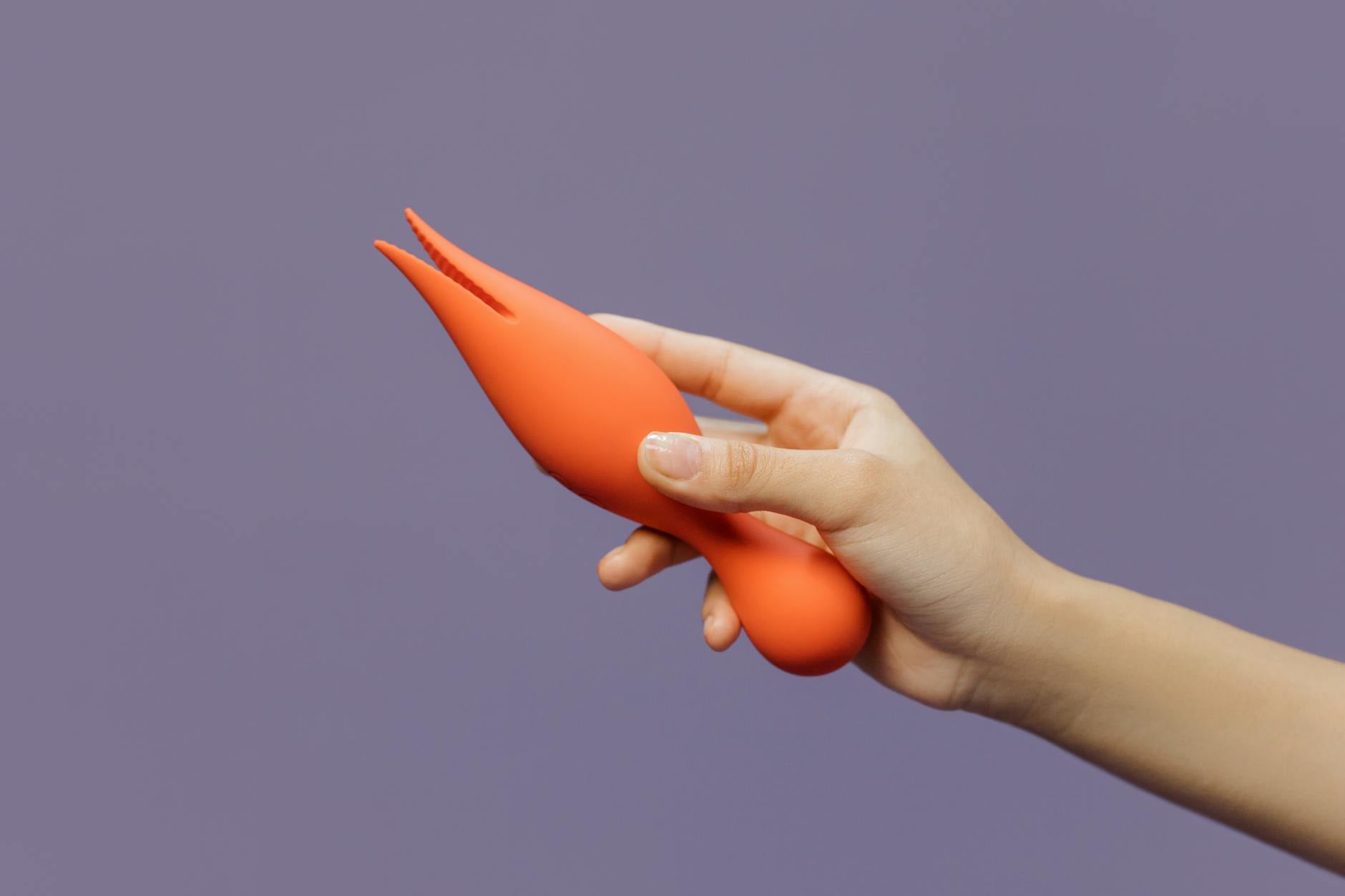
The good news? It's not permanent, it's not your fault, and there are real, practical tools that work. A clitoral suction toy like the Lem can be one of them. Here's how to use one strategically when antidepressants have dampened your sexual response.
Why SSRIs flatten arousal and orgasm
Serotonin does a lot of work in your body. It regulates mood, sure. But it also modulates dopamine (the neurotransmitter tied to motivation and reward) and it affects blood flow to the genitals during arousal. When you increase serotonin availability in your brain, sometimes you accidentally suppress the signals that trigger sexual response.
The mechanism is a bit counterintuitive: SSRIs improve your overall mood and reduce anxiety, which should theoretically make sex better. But for many people, the drug also delays or prevents orgasm, lowers desire, and sometimes causes complete anesthesia in the genital area. You can feel physically stimulated and emotionally engaged while your body simply refuses to climax.
This is one of the most common reasons people stop taking antidepressants. Not because the medication isn't working for their anxiety or depression. Because nobody explained that this side effect exists, and they thought they were broken.
Why a lemon clitoral vibrator might help when other toys don't
Most traditional vibrators work by creating vibration. This requires your nervous system to register and respond to frequency. When SSRIs are dampening genital sensation, a standard vibrator often feels like holding your hand against a humming phone. Stimulating, but not enough.
Clitoral suction toys work differently. Instead of vibration, they create rhythmic suction and release. This stimulates a different set of nerves. The sensation is more concentrated, more direct, and for many people, it's more effective when numbing is part of the problem.
The Lem, specifically, uses gentle air-pulse technology. That means it's not relying on friction or vibration intensity. It's using air pressure to create sensation that many people report feeling more intensely than traditional vibrators. For someone whose genital nerves are muted by medication, this can be the difference between zero sensation and actual pleasure.
The practical setup for antidepressant-dulled sensation
Three things change when you're working with medication-dampened arousal.
First, extend your warm-up time dramatically. If you normally take five minutes to get aroused, budget 20-30 now. This isn't laziness. SSRIs slow the cascade of blood flow and nervous system activation that leads to arousal. Your body needs more time to build up enough sensation to register as pleasure. Start with touch that feels good but not sexual. Run your hands over your own body. Notice temperature, texture, and pressure. This primes your nervous system.
Second, start at lower settings and stay there longer. Most clitoral vibrators come with five to seven intensity levels. When you're used to higher intensity, it's tempting to jump straight there. Resist. Start at pattern 1 on the Lem and spend 5-10 minutes noticing what you feel. Let your nervous system adjust. Then move to pattern 2 and stay there. Give each level real time to register as pleasure before escalating.
Third, use water-based lubricant even if your body naturally lubricates. Lube isn't about what's missing. It's about amplifying sensation. It reduces friction, which means the toy can move smoothly and you can feel the suction more clearly. This is especially true for people whose SSRI response includes reduced natural lubrication.
What to expect in the first week
Day one with a lemon clitoral vibrator after months of dulled sensation can feel weird. You might feel something and think "is that what pleasure is supposed to feel like?" Yes. It is. Your baseline has shifted because of the medication, so pleasure feels unfamiliar.
This is also why self-compassion matters here. You're not broken. You're not numb. You're on medication that your brain or body needed to feel better overall. The trade-off is temporary. But you deserve pleasure while you're taking it.
In the first week, aim for five to ten minutes of exploration without the goal of orgasm. I know this sounds counterintuitive, but removing the pressure to climax actually helps. Your nervous system can focus on sensation instead of performance anxiety.
Many people find that after a few days, sensation starts to return or intensify. Your nervous system is being reminded that pleasure is possible. Some people find that after a week or two, they can reach orgasm again. Others need more time or a different medication adjustment.
When to talk to your prescriber
If you're four weeks in with consistent use of a clitoral vibrator and still feeling nothing, that's worth mentioning to your doctor. There are several conversations worth having.
One option is dose adjustment. Sometimes a slightly lower dose of the same SSRI reduces sexual side effects without sacrificing mental health benefits. Another option is timing: some people find that taking their medication at a different time of day (or right after sex instead of before) helps. A third option is switching to a different SSRI. Bupropion, for example, actually tends to increase libido. Sertraline and paroxetine are more likely to cause sexual side effects than some others.
If your doctor dismisses this concern, find a new one. Sexual health is health. It's not vain to want it back.
The patience piece
Medication-related sexual dysfunction can take weeks or months to fully resolve, even with a tool like a Lem clitoral vibrator helping you along. Your nervous system has been recalibrated. That recalibration takes time.
What helps is consistency without pressure. Use the toy when you feel like it. Notice what sensations start to appear. Celebrate the small wins: today I felt something. Today it felt better than yesterday. Today I had an orgasm, even if it was different from before.
Your pleasure is worth the patience. You're not waiting for your body to go back to normal. You're helping your body find a new normal while you're on medication that makes you mentally and emotionally healthier.
That's the tradeoff worth understanding. And it's absolutely possible to live it well.
People also ask
Can I use a lemon vibrator safely with my antidepressant medication?
Yes. Using a clitoral vibrator like the Lem won't interact with any antidepressant medication. The toy itself has no chemical interaction with SSRIs or any other psychiatric medication. What can happen is that the vibrator helps your nervous system reactivate sensation that the medication has dampened. This is actually helpful. If you're concerned about any specific interaction, your prescriber can confirm there's no contraindication, but there isn't one.
How long does it usually take to feel pleasure again after starting an SSRI?
There's no universal timeline, but most people see some improvement in sexual function within four to eight weeks of starting to use stimulation tools, adjusting their approach, or talking to their doctor about medication timing or dose. Some people regain full sensation within two weeks. Others take several months. If you're at the eight-week mark with no change, that's a good time to escalate the conversation with your prescriber about whether your current medication or dose is right for you.
Should I use the Lem on a higher setting to compensate for the numbness?
Actually, no. Start low and go slow. Higher intensity won't help your nervous system relearn sensation more quickly. If anything, it can make the experience feel overwhelming or irritating. Lower settings allow your nervous system to register subtle stimulation and build from there. Think of it as retraining your sensitivity, not trying to override it.
Is SSRI-related sexual dysfunction permanent?
No. It's typically a side effect that improves when you adjust your dose, switch medications, change the timing of when you take it, or give your body time to adapt. Some people's bodies adjust on their own within a few weeks or months. Others need an intervention. But permanent loss of pleasure is not the inevitable outcome of taking antidepressants.
Can my partner help with this, or should I explore solo?
Both approaches work. Some people find that partnered exploration with clear communication ("I'm exploring what I can feel right now, and pressure to perform makes it harder") feels supportive. Others find that solo exploration is less pressure and allows them to relearn their own pleasure without worrying about timing or performance. If you have a partner, a conversation ahead of time that sets expectations helps a lot. How to Use a Lemon Vibrator With a Partner covers this in more depth.
What if my SSRI is the right medication for my mental health but the sexual side effects are really difficult?
Then you have several options to explore before assuming you have to choose between mental health and sexual pleasure. Talk to your prescriber about: lower doses, different timing, switching to a different SSRI, adding a medication to counteract sexual side effects (like bupropion), or a combination approach. You don't have to accept reduced pleasure as the price of feeling mentally well. It's a conversation worth having, and it's a legitimate health concern.
What comes next
Using a lemon clitoral vibrator after antidepressants isn't about forcing pleasure or working around your body. It's about giving your nervous system a tool to reactivate sensation while your medication does its job supporting your mental health.
Start slow. Give yourself weeks, not days. Notice small changes. And if something isn't working after consistent effort, talk to your doctor. Your pleasure matters, even when you're on medication. Especially then.
If you're navigating relationship changes around this shift in your sexual response, that's also worth addressing. Lemon Vibrators After 40: Why Suction Toys Feel Better With Age covers how pleasure evolves, and How Lemon Vibrators Improve Arousal When You Have Low Libido goes deeper into arousal restoration across different scenarios.
Your body isn't broken. Your medication is working. And your pleasure is worth the patience and the right tools.