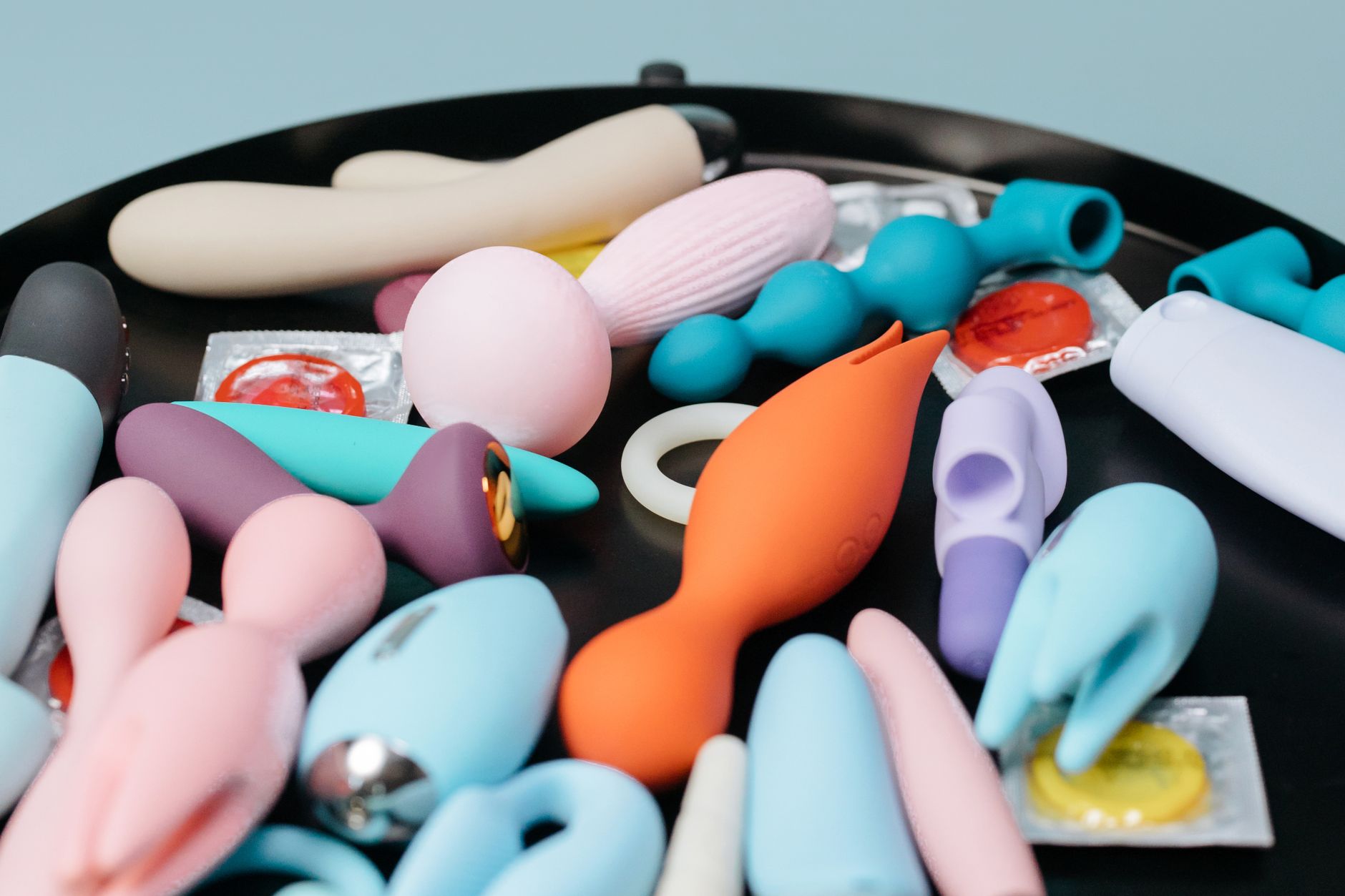
The difference between hands and a lemon sucker
Let's be real: your hands know exactly what you like. You've had years of practice, muscle memory, rhythm preferences, pressure points. Switching to a lemon vibrator isn't about replacing that knowledge. It's about expanding what your body can feel and experience.
Here's the thing. Manual stimulation creates direct pressure and movement you control completely. A lemon clitoral vibrator creates rhythmic pulsation and suction that stimulates nerves differently. Your brain registers these as distinct sensations. Neither is better. They're genuinely different.
The transition period feels awkward for a lot of people because you're essentially learning a new language your body already understands fluently. That friction is real, and it matters to acknowledge it.
Why the adjustment period exists
Your nervous system has learned to respond to manual touch in a specific way. When you switch to a lemon vibrator, three things happen at once.
First, the sensation pattern changes. Manual stimulation is rhythmic and intentional because you're controlling it in real time. You adjust pressure, speed, and location on the fly. A vibrator, even one with multiple settings like the Lem, operates on a pattern. Your nervous system notices the difference.
Second, the pressure distribution shifts. Hands concentrate force in your fingertips. A lemon vibrator distributes stimulation across a wider surface area using suction rather than direct pressure. This feels gentler to some people, more diffuse to others.
Third, your hands are connected to your brain through intention and feedback. You're thinking about what feels good as you're doing it. A vibrator removes that real-time adjustment loop. You set it and then receive, rather than actively create.
None of this means a lemon vibrator won't work for you. It means the transition requires actual attention.
Start with settings one and two
This is the single most common mistake I see. People switch from manual stimulation and assume they need higher intensity because a vibrator feels "different." Different doesn't mean weaker.
Begin with pattern one on your lemon vibrator. Yes, really. Your nervous system needs time to register what's happening. Pattern one usually feels gentle, sometimes barely noticeable at first. That's exactly right.
Spend two or three sessions at pattern one. This isn't about rushing. It's about letting your body map what a lemon sucker actually does. You'll probably notice the sensation feeling stronger after a few minutes as your nervous system settles.
Then try pattern two. This is where most people find their entry point. It feels substantive without being overwhelming, especially if you're coming from manual touch.
Patterns three and higher exist for exploration, but they're not the goal. If you rush there, you're skipping the adjustment that makes everything else work better.
The angle matters more than you think
With your hands, you probably have two or three angles you've found work. You might press directly, or from the side, or you might use a specific finger or combination of fingers.
A lemon clitoral vibrator works best when you experiment with positioning more deliberately. The suction cup needs contact with your skin, but the angle affects how that suction registers.
Try using your lemon vibrator at a slight angle rather than perfectly vertical. Many people find that a 20 to 30 degree tilt creates a sensation closer to what manual stimulation felt like, because it changes how the suction distributes. Vertical suction feels like concentrated pressure. Angled suction can feel more like a gentle pull with directional intensity.
This might sound like a small detail. In practice, it's often what makes the difference between "this feels weird" and "oh, this is actually amazing."
Warm-up time changes everything
Manual stimulation usually builds intensity gradually because you're adjusting in real time. You might start slow, build rhythm, and reach peak sensation over 10 or 15 minutes, or 5 minutes, depending on your body and mood.
With a lemon vibrator, give yourself a longer warm-up period than you think you need. Budget 15 to 20 minutes before you increase intensity or expect orgasm. This gives your nervous system time to recognize the new sensation pattern and your body time to fully respond.
During warm-up, explore. Try different patterns at low intensity. Notice where on your vulva the sensation feels strongest. Pay attention to how your breathing changes. This is active participation, just in a different form than manual stimulation.
Many people report that the orgasm that comes after this extended warm-up feels more intense or has a different quality than what they're used to. That's not accident. It's because your body has had time to fully engage with a new type of stimulation.
Combine manual and lemon vibrator stimulation
Here's a technique that makes the transition feel less stark. Use your lemon vibrator at lower intensities while your other hand provides manual stimulation elsewhere. Your hand might work on your vulva while the lemon vibrator works on your clitoris. Or your hand might provide other touch while the lemon vibrator does focused work.
This approach gives your nervous system something familiar and something new at the same time. It's less jarring than switching completely. And it often allows you to access sensations and pleasure you might not reach if you switched cold turkey.
As you become more comfortable with the lemon vibrator, you can gradually reduce the manual stimulation component. You'll likely find yourself naturally gravitating toward one or the other depending on mood and what you're after.
Managing expectations about speed
If you've been using manual stimulation, you know approximately how long it takes you to reach orgasm. You know if you're a 5-minute person or a 25-minute person. You know your patterns.
Manual stimulation is predictable because you control it. A lemon vibrator is less predictable at first because you're learning it. This can feel frustrating.
Give yourself permission to not orgasm for the first few sessions. Really. The goal isn't to replicate what your hands do. It's to let your body discover what a lemon vibrator actually offers.
Some people find they orgasm faster with a lemon vibrator once they've adjusted. Others find it takes slightly longer. Most people find the sensation is different enough that their usual timeline doesn't apply during the adjustment period. That's completely normal.
When to use lubrication
Your hands don't necessarily require additional lubrication because they're part of your body and you have natural moisture. A lemon vibrator benefits from a small amount of water-based lubricant.
This serves two purposes. First, it improves the seal between the suction cup and your skin, which amplifies the sensation. Second, it allows the device to glide slightly if you adjust position, which many people find more comfortable than direct friction.
Use just enough that there's a thin layer. Too much lubricant actually reduces the suction effectiveness. You want the lemon vibrator to have contact and grip, not float.
Water-based lubricant is essential here. Silicone-based lube can degrade silicone toys over time. Since your lemon vibrator is probably silicone, stick with water-based options.
Comparing intensity without judgment
You might worry that a lemon vibrator doesn't feel as "strong" as your hand or that it's not "doing" as much. This is comparing different tools with different purposes.
Your hand creates pressure and friction. A lemon vibrator creates pulsation and suction. Your nervous system perceives these as different intensities even if they're equally stimulating. That difference is information, not a deficit.
Instead of thinking "this isn't as strong," try thinking "this is a different kind of stimulation." What you're actually comparing is your nervous system's long-established response to manual touch versus its brand-new learning curve with a new device. Time and exposure will change that equation.
Many people who've made this transition report that lemon vibrators eventually feel more intense or more satisfying. That's not because the device got stronger. It's because your nervous system has learned to fully respond to it.
The role of a partner during transition
If you're using a lemon vibrator with a partner, communication matters even more than when you're alone. Manual stimulation with a partner involves direct feedback and real-time adjustment. A lemon vibrator removes some of that loop.
Talk through what you're experiencing. Tell your partner if a particular setting feels good or strange. If you want them to pause so you can adjust the angle, say that. The transition is easier when it's collaborative rather than something you're managing silently.
Some partners worry that a lemon vibrator means their hands aren't enough anymore. That's a misunderstanding. You're not replacing their touch. You're adding a different kind of sensation. Most couples find that lemon vibrators complement partner stimulation rather than replace it.
Building new muscle memory
Your hands have muscle memory. Your nervous system has learned pathways for what manual stimulation feels like and how your body responds. Building new pathways with a lemon vibrator takes repetition, but it's not a long process.
Most people report that after 5 to 8 sessions with a lemon clitoral vibrator, it stops feeling foreign and starts feeling integrated. That's because your nervous system has established new reference points and expectations.
Sessions don't need to be long or complicated. Even 10 to 15 minutes of focused exploration counts. What matters is consistency and attention.
Once you've built that new muscle memory, you'll likely find yourself reaching for a lemon vibrator sometimes and manual stimulation other times, depending on what you're after. You're not replacing one with the other. You're expanding your toolkit.
Troubleshooting common transition issues
If sensation feels too intense at any setting, you've probably skipped warm-up time or started too high. Go back to pattern one and extend your warm-up to 20 minutes. Intensity will feel more manageable after your nervous system has settled in.
If sensation feels numb or absent, check your lubrication. Reduce it slightly so the suction cup maintains good contact. Also revisit your angle. A small adjustment can make a significant difference in sensation.
If you feel frustrated, that's legitimate. You're learning something new. Your hands have decades of practice. A lemon vibrator has none of that history with your body yet. Give it time.
If you're experiencing pain rather than pleasure, stop and reassess. Pain during lemon vibrator use usually indicates either too much intensity, insufficient lubrication, or a positioning issue. None of these are permanent. Adjust and try again.
FAQ: Switching from Manual Stimulation to a Lemon Vibrator
How long does it actually take to adjust to a lemon vibrator after using manual stimulation?
Most people report a noticeable shift in comfort and responsiveness within 5 to 8 sessions. Full integration usually happens within 2 to 3 weeks of regular use. That said, everyone's timeline is different. Some people adjust in a few sessions. Others take longer. What matters is consistency rather than speed.
Will my lemon vibrator feel as good as my hands eventually?
It will feel different, not necessarily better or worse. Your hands have decades of learning your body. A lemon vibrator offers a distinct type of stimulation that many people find equally satisfying, just for different reasons. Rather than comparing, think about having both available depending on what you want in a given moment.
Can I use my lemon vibrator on the same day as manual stimulation?
Absolutely. Some people find that a short manual warm-up followed by lemon vibrator stimulation is their favorite approach. There's no cooldown period required between switching. Your body can handle multiple types of stimulation in one session.
What if my lemon vibrator still feels weird after several sessions?
Take a break for a week, then return. Sometimes stepping away helps your nervous system reset its expectations. When you come back, approach it fresh without the assumption that it should feel like manual stimulation. You might also experiment with a different pattern or intensity level. <a href="/blog/best-lemon-vibrator-settings-for-different-types-of-arousal">Best lemon vibrator settings for different types of arousal</a> offers more specific guidance for matching intensity to your body.
Should I expect the same types of orgasms from a lemon vibrator as from manual stimulation?
Sometimes yes, sometimes different. Your orgasm response can vary based on stimulation type, mental state, and how much warm-up time you've allowed. Many people report that lemon vibrator orgasms have a distinct quality compared to manual stimulation. Some describe them as more intense, others as more localized. <a href="/blog/how-to-use-lemon-vibrator-when-orgasms-feel-impossible-or-delayed">How to use a lemon vibrator when orgasms feel impossible or delayed</a> addresses variation in response.
Can I return to manual stimulation exclusively after using a lemon vibrator?
Yes. Your hands aren't going anywhere. Some people use a lemon vibrator occasionally and prefer manual stimulation most of the time. Others switch back and forth depending on mood or what they're trying to accomplish. There's no rule that says you have to choose. <a href="/blog/how-lemon-vibrators-compare-to-traditional-vibrators-for-beginners">How lemon vibrators compare to traditional vibrators for beginners</a> discusses different approaches to integrating tools.
What if my partner is insecure about me using a lemon vibrator instead of their touch?
This is real and worth addressing directly. You're not rejecting their touch. You're exploring a different sensation. A lemon vibrator isn't a partner replacement. It's an addition. If possible, use it together sometimes. Show them how it works. Let them help guide it. Many couples find that a lemon vibrator actually deepens partnership intimacy because it opens conversations about pleasure.
The transition is worth it
Switching from manual stimulation to a lemon vibrator requires patience, but most people report that the expansion of sensation and pleasure is worth the adjustment period. Your hands don't stop working. You're just adding another way your body can experience pleasure.
Start low, warm up longer than you think necessary, experiment with angle and positioning, and give yourself permission to not reach orgasm while you're learning. Your nervous system will adapt faster than you expect.
Want more specific guidance tailored to your situation? Reach out to the Hello Nancy team at <a href="/contact">contact</a> and let's talk through what you're experiencing.