Let's name the thing nobody talks about
Mismatched desire is the most common sexual complaint I hear from long-term couples. Not erectile dysfunction, not pain, not low libido in absolute terms. It's one person wanting sex twice a week and the other wanting it twice a month. And here's what makes it brutal: both partners end up feeling broken. The one with higher desire feels rejected. The one with lower desire feels pressured and guilty.
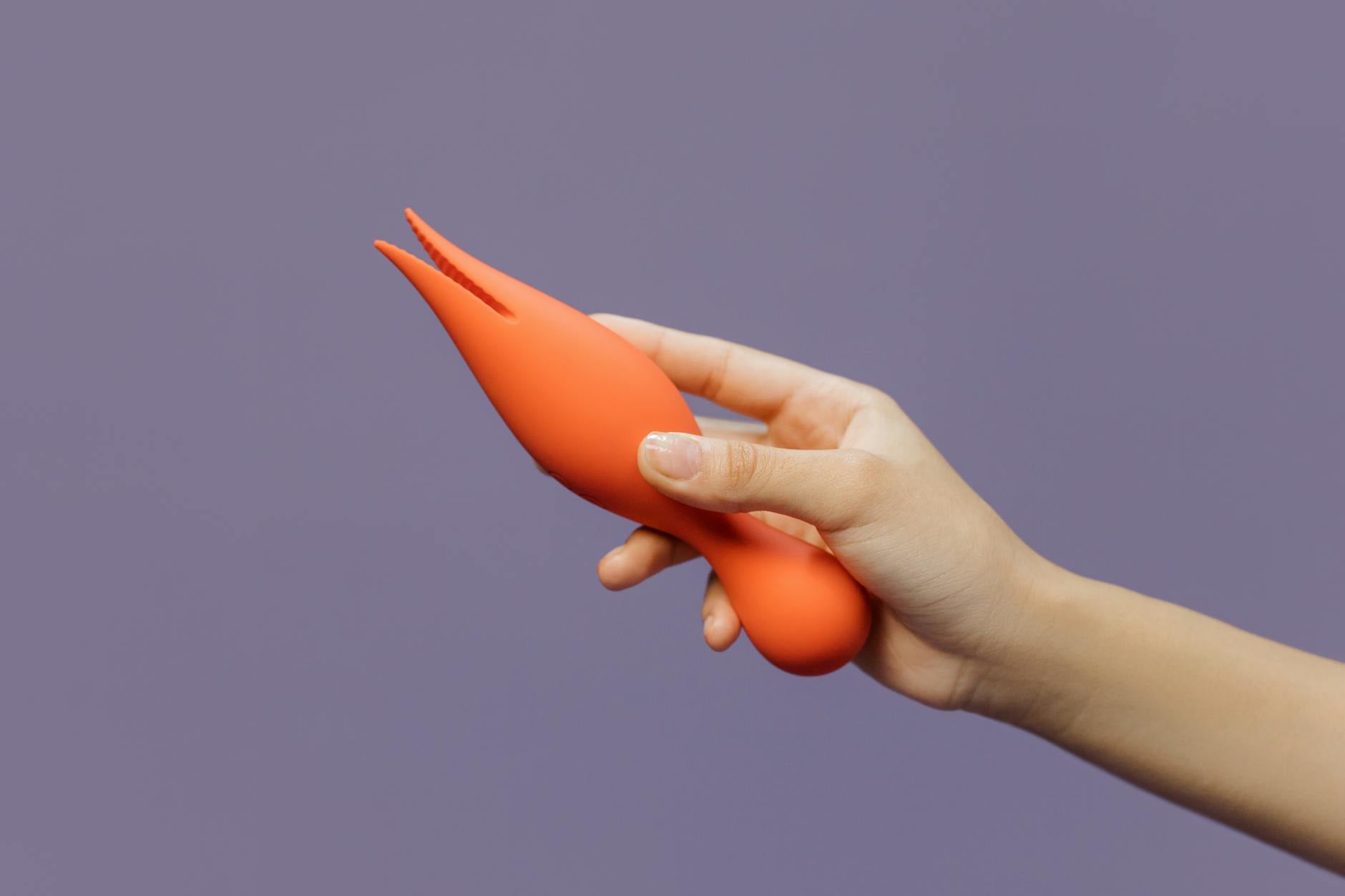
A lemon clitoral vibrator doesn't solve the desire mismatch itself. But it changes the dynamic entirely. Instead of the conversation being "you don't want me enough," it becomes "let's explore what actually turns you on right now." That's a different conversation entirely.
Why desire mismatches happen (and why they're not your fault)
Desire doesn't work like a light switch. It's shaped by stress, hormones, how seen you feel in the relationship, whether you're carrying mental load, sleep debt, and a thousand other things that have nothing to do with how much you love your partner.
One partner might genuinely want more frequent sex. The other might want it less often but more present, more exploratory, less goal-oriented. A lemon clitoral vibrator lets you meet there. It's not about one person accommodating the other. It's about both people actually getting aroused together, which is the part that usually gets skipped when desire doesn't naturally align.
Here's what I've seen happen clinically: couples with mismatched desire often rush through sex to get it over with, which kills the experience for the higher-desire partner anyway. A vibrator slows things down and makes pleasure mutual and deliberate.
The conversation before you introduce a vibrator
This part is non-negotiable. If you surprise your partner with a lemon vibrator, they might feel like you're saying they're not enough. That's not what you're saying, but that's what lands.
Start here: "I've been thinking about our intimacy. I want us both to feel good and not like we're performing or keeping score. I found this tool that might help us explore together without pressure."
That's it. No sales pitch. No expectations. If your partner resists, listen to what's underneath. Sometimes it's not the vibrator. It's fear that accepting the vibrator means admitting defeat or that they're failing you somehow. Give that room to breathe.
Once you've got buy-in, agree on something basic: you're trying this together, not for anyone's ego, but because pleasure matters and exploration is part of staying connected.
How to use a lemon vibrator when desire is unequal
Start with foreplay that doesn't lead anywhere specific. If the lower-desire partner has never seen their partner genuinely excited by a lemon clitoral vibrator, watching that arousal happen can shift something. You're not performing. You're just letting yourself be turned on while they're present. That's intimate in a way that obligation sex isn't.
Then switch roles. The higher-desire partner can use the vibrator on the lower-desire partner without it feeling like coercion. There's something about receiving stimulation from a partner that feels collaborative rather than solitary. Lemon vibrators work on air-pulse patterns that feel very different from traditional vibration. Many people find they're less intense, less overwhelming, which helps when you're not naturally in a high-arousal state.
Keep it short. You don't need a 45-minute session. Ten minutes of genuinely mutual exploration beats an hour of awkward obligation. The lower-desire partner often just needs to remember that sex feels good. A lemon sucker can deliver that reminder quickly, which means you're done before resentment builds.
No performance expectations. This is crucial. If you're using a lemon vibrator as a couple, the goal is not an orgasm. The goal is connection and pleasure. Some nights, you orgasm. Some nights, you just remember that touch is nice and your partner cares about how you feel. Both are wins.
The emotional shift that actually happens
When you introduce a lemon clitoral vibrator into a mismatched-desire dynamic, something shifts in the story. Instead of "my partner doesn't want me," it becomes "my partner wants us to figure this out together." That changes shame into curiosity.
The lower-desire partner often finds that having agency over their own pleasure makes them want sex more. Not more often necessarily, but with more genuine interest. The higher-desire partner stops feeling desperate and rejected. Both people stop seeing their body as the problem.
I've worked with couples where the introduction of a lemon vibrator was the thing that saved them from dead bedrooms. Not because the vibrator is magic. Because it opened a conversation that couldn't happen any other way.
When the mismatch is really about something else
Sometimes mismatched desire is actually about emotional disconnection, unresolved conflict, or one partner feeling unseen in the relationship. A vibrator won't fix that.
If you've tried using a lemon vibrator together and it still feels heavy or resentful, that's data. It means the mismatch isn't just about pleasure. It's about something deeper. That's when you might need a couples therapist, not another toy. And that's completely normal. Most long-term relationships hit a point where outside support helps.
The practical setup that actually works
Environment matters more than you think. Mismatched-desire couples often feel like they're always performing, always being watched by the other person's needs. Create a space where you're not.
Low lighting, both partners on a bed or couch where you're touching but not trapped, no phones. If the lower-desire partner feels less pressure when they're not facing their partner, try side-by-side or them sitting between your legs. There's no choreography here.
Start with the lemon clitoral vibrator on the lowest settings. Let your partner explore it at their own pace. The person using the vibrator should feel curious, not goal-oriented. The person receiving should feel free to say "faster," "lighter," or "actually, I'm not feeling it tonight," without that being a thing.
What happens after
The conversation after sex matters as much as the sex itself. Not a debrief like you're analyzing performance. Just: "That felt good," or "I liked trying something new together," or even "I need more time next time." Keep it simple. Keep it about connection, not mechanics.
If using a lemon vibrator together works, it might become part of your regular rhythm. Or it might just be something you do sometimes. Both are fine. The goal was never "use a vibrator more often." The goal was reconnection without resentment. If that happened, you're done.
The thing nobody mentions
Mismatched desire doesn't mean you're incompatible. It means you're human. Two people with different nervous systems, different histories, different stress levels, different hormones. A lemon clitoral vibrator doesn't erase those differences. It just gives you a tool to explore pleasure together instead of keeping score about who wants what.
Your pleasure matters. Your partner's pleasure matters. And the space between you, where you actually connect? That matters most of all.
People also ask
Can we use a lemon vibrator if we're not both interested in toys?
Yes. One person can be skeptical and still benefit. The key is treating it like exploration, not judgment. Start by having the skeptical partner just watch, or just hold it while the other person uses it. No pressure to participate fully right away. Many people warm up to the idea when they see their partner enjoying it.
What if my partner feels threatened by a vibrator?
That's often about fear that they're not enough. Before you introduce a lemon clitoral vibrator, address that directly and separately from the vibrator itself. "I love you. This isn't about you not being enough. It's about us exploring together." If the fear doesn't shift with conversation, couples counseling can help untangle it.
How often should we use it together?
There's no rule. Some couples find a rhythm like "once a week" and others use a lemon vibrator sporadically. Let it emerge naturally rather than forcing it into a schedule. If you're scheduling sex because you have to, a vibrator won't fix that. The real work is reconnecting emotionally first.
Does using a vibrator together actually improve desire mismatch long-term?
It can, but not automatically. What it does is create a moment where both partners feel aroused, present, and connected. That moment often reminds you why you liked having sex in the first place. The mismatch might not disappear completely. But it stops feeling like rejection and starts feeling like a difference you can work with.
What if we try it and it feels awkward?
Most first times feel awkward. You're trying something new and probably a bit vulnerable. That's normal. Give it at least two or three attempts before deciding it's not working. Sometimes the first attempt is just you both getting used to the idea. The second one is actually fun.
Should we talk about what we're using the vibrator for afterward?
Only if you want to. Some couples like to check in afterward about what felt good. Others prefer to let it be. Do what matches your emotional style. Just make sure that if something didn't work or felt uncomfortable, you say so. That conversation matters more than the "it was great" one.