When desire comes back, it can feel like a stranger
Depression flattens everything. Not just mood, but sensation, motivation, the entire sensory landscape. When you start medication or therapy and begin climbing out of that fog, one of the stranger experiences is watching desire return. It can feel unfamiliar. You might not recognize it at first. And when you do, you might panic, wondering if you're actually ready, or if this is temporary, or if your body has changed permanently.
Here's what I tell my clients: desire returning is a good sign. It means your nervous system is waking up. But waking up after depression isn't like flipping a switch. It's more like emerging from deep water. You need to acclimate slowly, with patience for yourself.
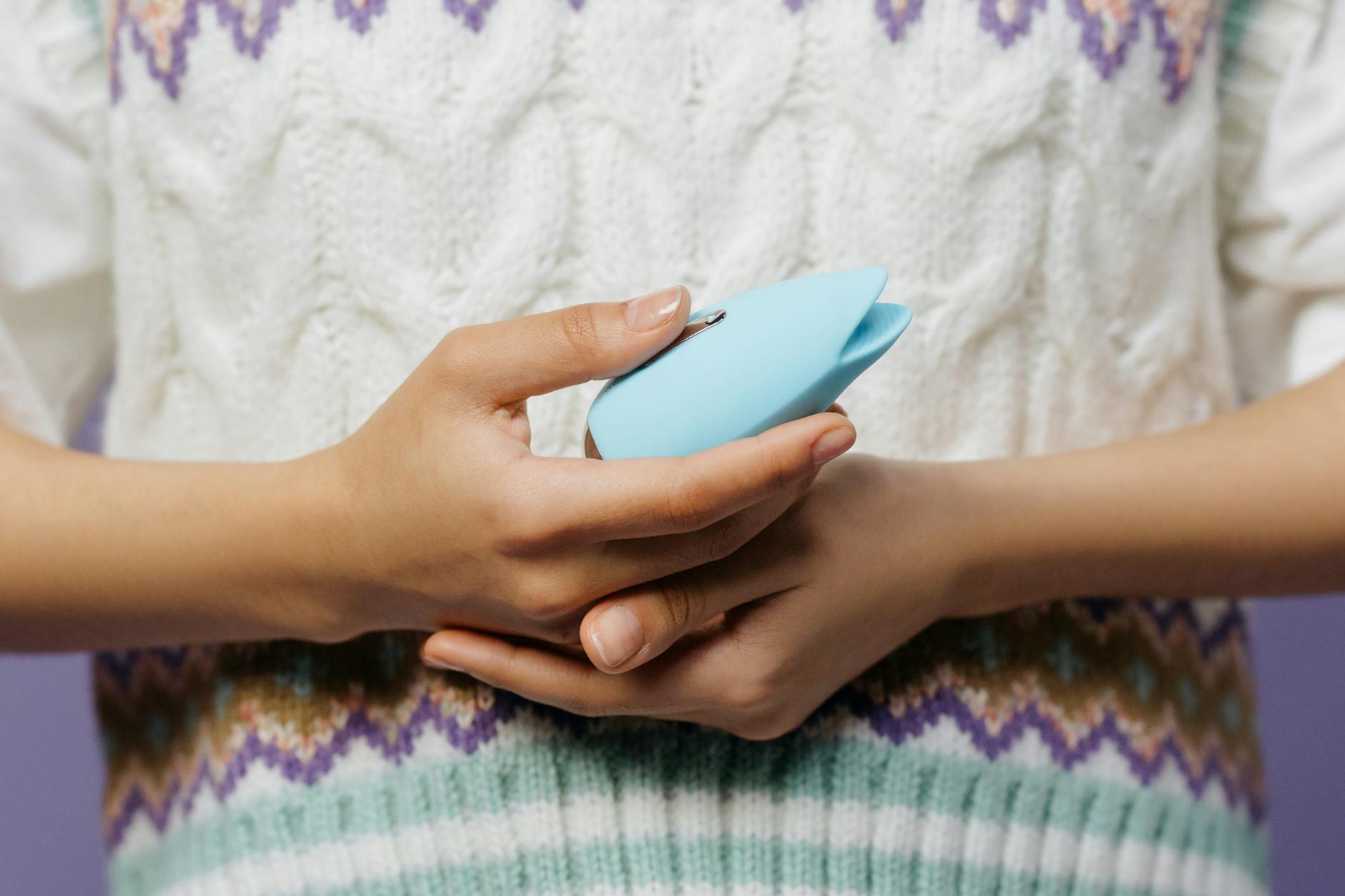
Using a lemon clitoral vibrator during this transition can be genuinely helpful, but only if you approach it with the right framework. That's what this guide covers.
The neurobiology of desire after depression
Depression suppresses dopamine and serotonin. When treatment works, those neurotransmitters begin stabilizing. Dopamine in particular is the "wanting" chemical. It's what creates anticipation and pleasure. When it comes back online, your body might suddenly notice things it's been ignoring for months.
But here's what complicates this: many antidepressants, especially SSRIs, can flatten sexual response even after mood improves. You might be less depressed and still experience reduced sensation or delayed orgasm. Some antidepressants are worse for this than others. If you're on one of the more notorious ones for sexual side effects, don't assume your medication is the problem. Talk to your prescriber about timing or dose adjustments before you blame yourself.
The good news: clitoral vibrators like those from Lemon Nancy Shop bypass some of this issue. The suction and air-pulse technology stimulates the clitoris differently than manual stimulation. It often works when other approaches feel muted.
Starting slowly isn't weakness, it's wisdom
Your first instinct might be to test yourself. To see if you can still orgasm. To prove that depression didn't break you permanently. I understand that urgency. But this is exactly the moment to resist it.
When you're emerging from depression, your nervous system is still recalibrating. You might feel numb one moment and oversensitive the next. Your pelvic floor might be holding tension you don't even notice. Your body might respond differently than it did before.
Instead of jumping straight to orgasm, build a foundation. Spend a few sessions just getting acquainted with your body again. You don't need a toy for this part. Use your hands. Notice what feels different. Notice what still feels familiar. This is not a waste of time. This is the most important part.
When you do introduce a lemon vibrator, start with the lowest setting. You're not testing your capacity. You're listening.
How to use a lemon vibrator safely during recovery
Four things that matter:
Set up a calm environment. Not romantic. Calm. You want low stakes. Put your phone in another room. Close the door. Lighting should be soft but not dim. Warmth helps, so maybe wrap yourself in something comfortable. Depression teaches us to endure discomfort. Recovery means relearning what comfort feels like.
Use lubrication, always. After depression, your body might not be producing natural lubrication even if arousal is present. Water-based lube isn't a sign of failure. It's a practical tool. It also reduces friction, which reduces the chance of overwhelm on sensitive tissue.
Start at pattern one. Your lemon vibrator has multiple settings. Don't use them all immediately. Begin with the gentlest pattern and stay there for 3-5 minutes. Notice how your body responds. If it feels good, continue. If it feels like too much, pause. Your body remembering sensation is the win here, not the orgasm.
Stop before you feel exhausted. This is the one nobody wants to hear. But after depression, pushing toward orgasm can recreate the pressure and goal-orientation that got you into trouble in the first place. If you feel arousal building but it's effortful, pause. Your nervous system doesn't need to prove anything right now.
What to expect emotionally
Physical sensation returning can trigger unexpected emotions. Some people feel relief. Some feel grief. Some feel confused because their body wants something their mind hasn't caught up to yet.
You might also cycle. A few days where arousal feels accessible. Then a day where you feel completely flat again. This is normal during recovery. Depression isn't linear, and neither is the return of desire.
If you're in a relationship, your partner might notice the shift before you do. They might feel hopeful about it. And that hope, while well-intentioned, can create pressure. This is where communication matters desperately. Tell them you're exploring slowly. Ask them to follow your pace, not lead it. If they can't do that, that's information too.
The role of self-compassion
One of the deepest wounds depression leaves is shame about sexuality. You might feel broken. You might feel like you failed your partner. You might feel like your body betrayed you. These feelings are real and they matter. But they're not facts.
Using a clitoral vibrator isn't about proving you're healed. It's about reestablishing a conversation with your body. It's about gentleness. It's about reclaiming pleasure as something you deserve, not something you have to earn.
Some days that will feel possible. Some days it won't. Both are okay.
When to involve a therapist or doctor
If physical sensation returns but feels numb or distant even with a lemon vibrator, mention this to your prescriber. It might mean your medication needs adjusting. If arousal returns but you feel persistent anxiety or fear around sexuality, therapy specifically addressing trauma or sexual anxiety can help. There's no shame in needing support. You've already shown up. Getting help is just continuing that.
Also check in: if orgasm happens but feels distant, like watching it happen rather than experiencing it, that's dissociation. It's common after depression and often resolves with time. But if it persists, it's worth discussing with a trauma-informed therapist.
The longer conversation
This guide is about the mechanics. But the real work is about understanding that your sexuality isn't separate from your mental health. It's part of your whole nervous system. After depression treatment, you're not just treating mood. You're reintegrating your entire self. That takes longer than most people expect. It's also worth it.
When desire returns, it's not a finish line. It's an entrance. What you build from here is up to you.
FAQ: Rebuilding Desire After Depression
Is it normal for sexual desire to take months to return after starting antidepressants?
Completely. When you've been depressed, your brain's dopamine and motivation systems are depleted. Medication helps, but recalibration takes time. Some people feel shifts within weeks. Others need 3-6 months. There's no standard timeline. What matters is that it's moving in the direction you want. If it's been a year and nothing has shifted, that's worth discussing with your doctor. But the first few months? Patience is exactly what you need.
Can I use a lemon vibrator if I'm still on antidepressants that affect sexual response?
Yes, absolutely. Antidepressants that reduce sensation actually make clitoral vibrators more helpful, not less. The suction technology from Lemon Nancy Shop is specifically designed to work when sensitivity is lower. You're not fighting your medication. You're working with your body where it actually is. That said, if the medication is significantly limiting your pleasure months into recovery, ask your prescriber about alternatives or timing adjustments. Some SSRIs have less sexual impact than others.
What if I feel guilty using a vibrator when my partner wants intimacy?
That guilt often comes from the idea that solo pleasure is somehow taking something from partnered sex. It's not. Exploring your own body teaches you what you need. That information makes partnered sex better, not worse. If your partner is pressuring you into intimacy before you're ready, that's a separate issue worth addressing, ideally with a couples counselor. Your recovery comes first.
Can vibrator use interfere with my therapy or recovery process?
No. Solo pleasure is actually part of healthy recovery. It teaches your nervous system that sensation can be safe and self-directed. It builds agency over your own body. What matters is that you're approaching it gently, without goal-orientation, and without using it to numb or escape. If you notice you're using it to avoid difficult feelings, that's worth mentioning to your therapist. But responsible exploration is part of healing.
How do I know if what I'm feeling is real desire or just the medication working?
There's less difference between those things than you might think. Real desire IS your nervous system functioning better. It's medication plus time plus your own work creating space for sensation. You don't have to interrogate it. Just notice it. Feel it. Give it time to develop. The desire will tell you what it's about as you spend time with it.
Should I talk to my doctor or therapist about using vibrators during recovery?
If your doctor or therapist has created safety around sexuality, absolutely. It's useful information for them. They might have insights about your specific situation. But if you don't have that kind of rapport with your provider, you don't owe them this disclosure. This is your body and your recovery. Use judgment about who needs to know. What matters is that you're exploring thoughtfully and with self-compassion.
You're allowed to take your time
Depression teaches us that we're broken. Recovery is learning that we're not. It's slow. It's uncomfortable. It involves a lot of sitting with uncertainty. Using a lemon vibrator isn't a shortcut through that process. But it can be a gentle tool for relearning what sensation feels like, and for rebuilding trust in your own body.
Want support as you navigate this transition? Reach out to us. We're here to listen without judgment.