
Let's start with the honest part
Orgasms feeling weaker or less intense is one of the most common things people don't talk about. You're having them. They're still happening. But somewhere along the way, the sensation got quieter, softer, less of a full-body event. That shift messes with your head because pleasure isn't just physical. It's also psychological. And when the sensation changes, you start wondering if something is broken.
Here's what I know after years of working with people through these changes: nothing is broken. The machinery still works. What's changed is either the stimulus matching your current sensitivity, or the neural pathway that carries the signal. Both are fixable.
Why orgasm intensity shifts (the real reasons)
There are actually five main things that flatten orgasm sensation, and they rarely involve just one.
Hormonal changes. Estrogen drops, which thins the tissue around the clitoris and changes blood flow during arousal. You're still arousing. The vascular response is just different. Testosterone fluctuations (yes, bodies with vulvas produce and need testosterone) directly affect how intensely the nervous system fires during climax.
Desensitization from repetitive stimulation. If you've been using the same pressure, pattern, and timing for years, your nerve endings literally adapt. This is the same reason your phone vibration feels weaker after you've used it for six months. Neurologically, your body stops treating the stimulus as novel.
Pelvic floor tension or weakness. A tight pelvic floor can actually prevent the full muscular engagement that creates intensity. A weak one can't contract enough to build and release that wave of sensation. Both flatten the experience.
Reduced arousal time. Life gets busier. Foreplay gets shorter. When you rush to the main event, your clitoris doesn't engorge fully, blood doesn't pool as intensely, and the orgasm that follows is physically shallower.
Medications or health changes. Antidepressants, blood pressure meds, hormonal contraceptives, and thyroid conditions all affect sensation. So do conditions like diabetes, which can reduce nerve sensitivity. This isn't failure. It's just a variable that needs accounting for.
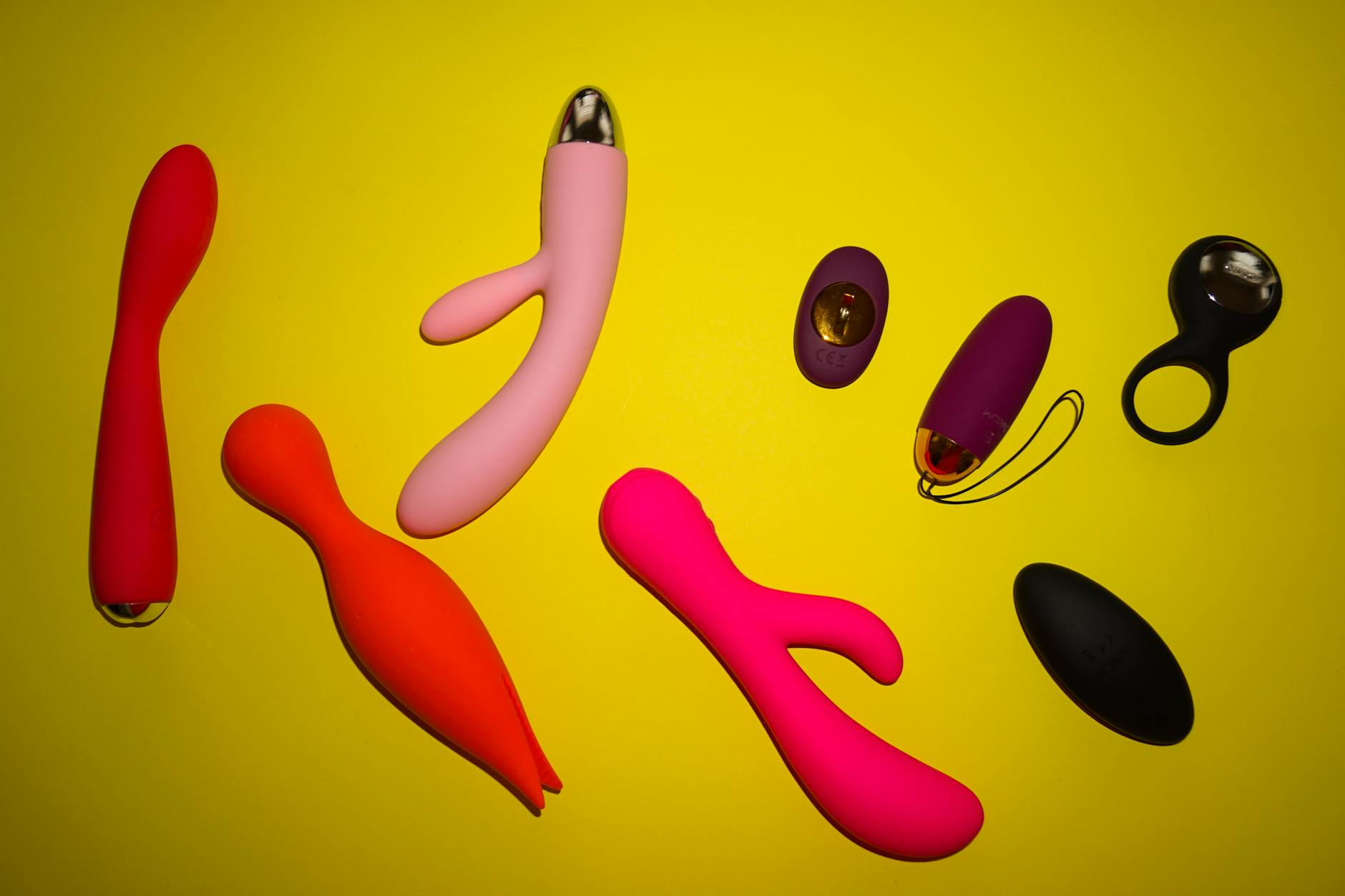
Photo by FounderTips on Pexels
How a lemon clitoral vibrator actually helps restore intensity
Here's the thing that most people get wrong about vibrators. They're not just about intensity. They're about novelty, precision, and frequency in ways your hand or a partner's touch cannot replicate.
A lemon vibrator like the Lem works specifically because it combines suction with vibration. Suction gently pulls on the clitoral tissue, which increases blood flow and engorgement. That engorging is what creates intensity. Then the vibration pattern adds frequency that your nervous system has likely never experienced in that exact way before. Novel stimulus. Adapted nerves suddenly have to pay attention again.
The suction component is especially powerful if you've experienced hormonal changes, because thinner tissue responds beautifully to suction without the discomfort that can come from direct vibration on sensitized skin.
The restoration protocol (the exact approach that works)
If you're rebuilding sensation intensity, here's what I recommend.
Week one: sensitivity mapping. Use your lemon clitoral vibrator on the lowest suction setting and lowest vibration pattern (usually pattern 1 or 2) for just five minutes. Don't aim for orgasm. Map where sensation feels strongest. Most people find the shaft of the clitoris responds more than the glans, or vice versa. Discover your geography again.
Week two: arousal extension. Spend fifteen to twenty minutes on foreplay before you even reach for your vibrator. Let your body engorge fully. Let blood pool. When you finally use your lemon vibrator, start at the same low setting but notice how different it feels when you're properly aroused. Most people report orgasms feeling noticeably stronger just from doubling their warm-up time.
Week three: pattern variation. If your lemon clitoral vibrator has multiple patterns, now's the time to explore them systematically. Spend two to three minutes on each pattern. Don't stick with the one that gets you there fastest. Let your nervous system experience novelty. Orgasms from novel stimulation naturally feel more intense.
Week four: building duration. Once you've found patterns that create that spark, extend the session. Go longer. Let your body work through multiple smaller peaks before the big one. This trains your nervous system to build and sustain arousal, which creates more intensity overall.
The pelvic floor piece (often overlooked)
Muscle tone matters more than people think. If your pelvic floor is tight, it can't fully relax and then contract during orgasm, which mutes the sensation. If it's weak, it can't create enough tension to feel the wave.
Kegels are one approach, but honestly, they're only half the equation. You also need to learn to fully relax your pelvic floor. Before you use your lemon vibrator, try this: place one hand on your lower belly and one on your perineum (the space between vulva and anus). Breathe in and actively release that pelvic floor on the exhale. Do this for two minutes. You're teaching your body the full range of motion from tight to released. That full range is what creates intensity.
When you're using your vibrator, keep breathing. A lot of people hold their breath, which actually tightens the pelvic floor even more. Deep breathing keeps it mobile.
The arousal quality shift
This is the part that catches people off guard. Sometimes orgasms feel weaker not because the physical capacity changed, but because you stopped building genuine arousal. You went through the motions instead of actually getting turned on.
After years of partnered sex or routine solo sessions, arousal can become habitual. You know what button to press. You go there, it works, done. But weak or flat orgasms often mean your mind checked out first. Your body followed.
Using a lemon sexual toy effectively means being willing to slow down and actually reconnect with sensation. That might sound like therapy-speak, but neurologically it's true. Arousal intensity and orgasm intensity are linked. When you rebuild one, the other usually follows.
When to add external support
If you've worked through all of this and nothing is moving, talk to a doctor. Hormonal blood work can show if something is genuinely out of range. A pelvic physical therapist can assess whether there's tension or weakness that needs hands-on treatment. Some people benefit from topical estrogen cream on the clitoris, especially if tissue thinning is the main issue.
If you're on medications that flatten sensation, you might have options. Sometimes switching timing helps. Sometimes switching medications helps. Sometimes adding something else (like a low-dose testosterone cream) helps. But those conversations need to happen with a provider who specializes in sexual health.
Your pleasure intensity matters. You deserve to feel what you used to feel, or maybe something better.
People also ask
Why do orgasms feel less intense after 40?
Hormonal shifts are one piece, but usually not the only one. Estrogen and testosterone both decline, which changes blood flow and tissue sensitivity. But stress, relationship patterns, reduced foreplay time, and changes to your nervous system's novelty response all contribute. Most of my clients report that rebuilding intensity is less about age and more about rebuilding attention. When you deliberately slow down and reconnect with sensation using tools like a lemon clitoral vibrator, intensity often returns even if hormone levels stay the same.
Can a lemon vibrator actually make orgasms feel stronger?
Yes, through a few mechanisms. First, suction increases blood flow and tissue engorement, which is the foundation of sensation intensity. Second, vibration at frequencies your body hasn't experienced before triggers novelty response in your nervous system. Third, the focused stimulation often means you're paying more attention, which is itself part of the intensity equation. The vibrator isn't magic. You're doing the work. The vibrator is just feedback that makes the work more noticeable.
Is a weak orgasm a sign that something is medically wrong?
Not necessarily. But it could be. If the change was sudden and unexplained, that's worth checking with a doctor. Blood work can reveal hormone imbalances, thyroid issues, or nutrient deficiencies. If the change was gradual, it's more likely behavioral or hormonal adaptation. If weak orgasms are paired with other symptoms (low desire, pain, numbness elsewhere), that's a sign to get checked. Most of the time, weak orgasms are a signal to adjust technique or rebuild arousal, not a medical emergency.
Should I use a stronger vibrator if my orgasms feel weak?
Countintuitive answer: maybe not. Most people jump to higher intensity when sensation flattens, but that often backfires. High intensity on already-desensitized nerve endings can feel harsh or painful instead of pleasurable. Starting lower and rebuilding sensation works better. You're retraining your nervous system to notice subtlety again. Once you're back to baseline sensitivity, then you can explore higher intensity if you want. The trick is not skipping the retraining phase.
Can medications affect orgasm intensity?
Absolutely. Antidepressants, blood pressure meds, hormonal contraceptives, antihistamines, and many other classes of drugs can flatten sensation or make orgasm harder to reach. If you started a new medication around the time your orgasms got weaker, that's almost certainly related. Talk to your prescriber about alternatives or timing adjustments. Sometimes switching to a different medication in the same class helps. Sometimes adding a second medication offsets the side effect. The key is asking the question. Most doctors don't bring this up, so it falls to you.
How long does it take to rebuild orgasm intensity?
Three to four weeks of consistent attention usually shows results. That's how long it takes your nervous system to stop adapting to the new stimulus pattern and start responding with genuine novelty again. Some people feel a difference in days. Others take two months. The pace depends on how gradual the decline was and how much arousal time you're actually building. The speed also depends on stress levels, relationship health, and whether you're addressing underlying causes. If you've rebuilt your technique but nothing changes after eight weeks, that's when you bring in professional support.
The bigger picture
Weak or muted orgasms are almost never about your capacity for pleasure. They're about a mismatch between stimulus and sensitivity, or attention and arousal. A lemon vibrator won't fix a relationship issue or an untreated anxiety disorder. But it can help you rebuild sensitivity, discover new sensation patterns, and remind your body that intense pleasure is still possible. You deserve to feel what you used to feel. And honestly, with the right approach, what's ahead might be even better.
If you're ready to explore, start low and slow. Let your body rediscover what intensity actually feels like. And if you need more support, our team is here to answer questions. You can reach us at Lemon Nancy Shop anytime.