Let's name what's actually happening
Your partner used to want you. Now they don't. And somehow that becomes your problem to solve, which is wildly unfair but also the reality most of us face when desire mismatches hit a relationship.
Here's what I see in my practice repeatedly: one person's libido drops (stress, health, medication, burnout, or just the natural ebbs of long-term partnership), and the other person stops having pleasure altogether because it feels selfish, or lonely, or like admitting the relationship is broken. Neither of those things is true. Your pleasure isn't disloyal. And a desire mismatch doesn't kill a relationship. Resentment does.
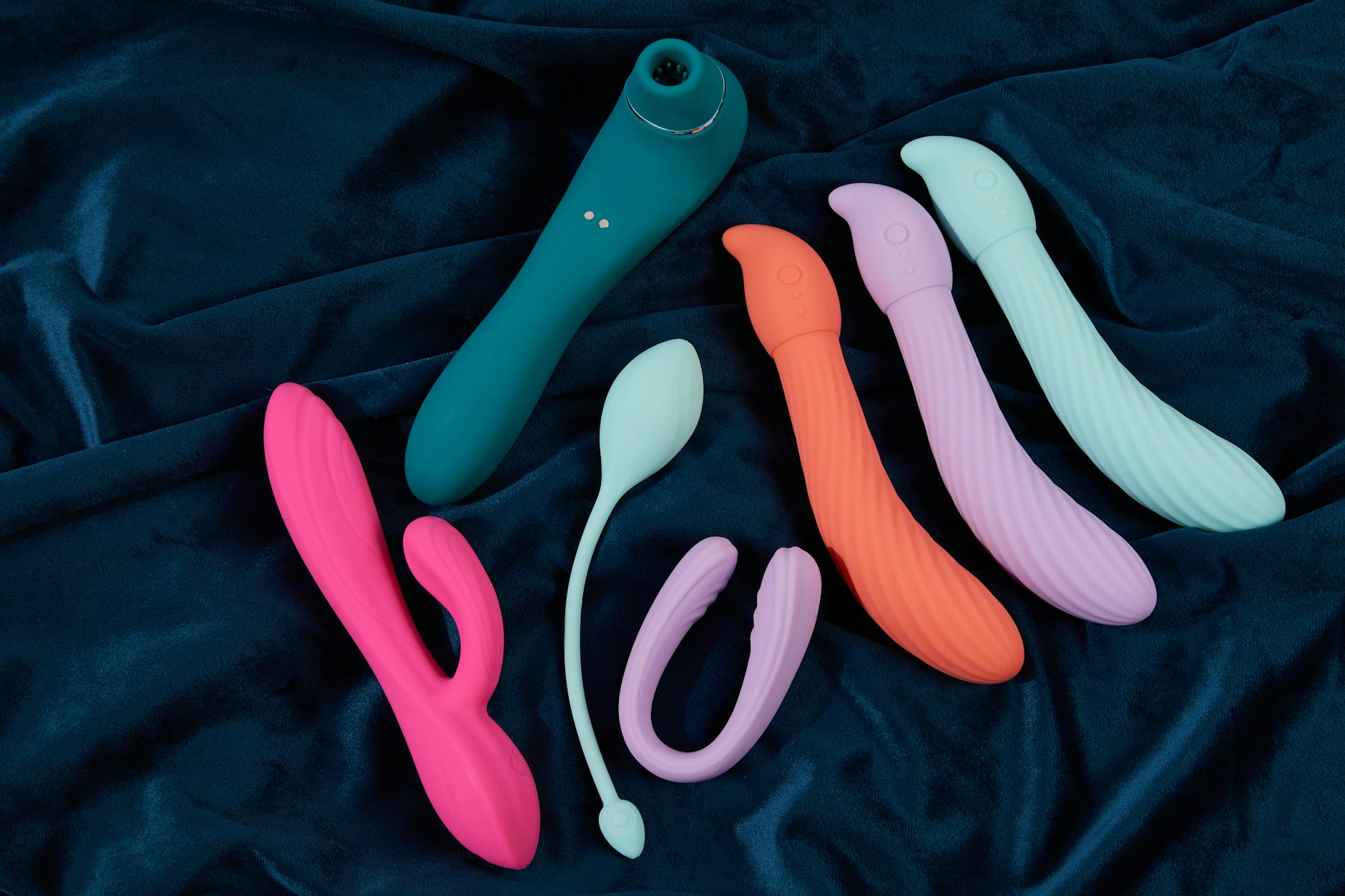
A lemon clitoral vibrator is a practical tool for this specific moment. Not as a band-aid. As a doorway back to yourself.
Why this matters more than you think
When your partner's interest in sex disappears, something weird happens in your body. Your nervous system starts treating your own arousal as dangerous information. If you feel desire and they don't, you're faced with that gap constantly. So you stop feeling it. You numb out. And after six months or two years of that, you actually forget how to access pleasure on your own, which is the thing that would actually help your relationship.
I'm not exaggerating. This is a clinical pattern.
Using a lemon clitoral vibrator during this phase serves three purposes. First, you reclaim your own pleasure as something separate from your partner's interest. Second, you rebuild the neural pathways for arousal that you've probably muted. Third, you gather real information about what actually changed in your body versus what changed in your head.
Because here's the twist: sometimes your body's response to your partner hasn't changed at all. What's changed is your permission to feel it.
The conversation before the toy
If you're partnered, this step matters. Not because you need permission, but because shame grows in silence and a lemon vibrator showing up unexpectedly can trigger defensiveness in someone who's already feeling inadequate about their libido.
The frame I recommend: "I want to reconnect with my own pleasure while we figure out what's going on with us. This isn't about you. It's about me not losing myself."
That sentence does two things. It removes the implication that the toy is a substitute for them. And it gives them information that your pleasure is non-negotiable, even if theirs is on pause.
If they resist or feel threatened, that's useful data. It might mean they're struggling with something deeper than low libido. Therapy can help with that. But it doesn't mean you have to suppress your own arousal in the meantime.
How to actually use it when desire feels complicated
This is where most advice falls apart. Generic instructions assume you want to rush to orgasm. You probably don't right now. You probably want to feel something. Anything.
Start without a goal. Plug in a lemon vibrator on the lowest setting. Use it for five to ten minutes with no pressure to come. This is literally just rewiring your nervous system's response to pleasure. You're telling your body: "This is safe. This is yours. This happens whether anyone else cares."
Many people report that they can't feel the lemon vibrator at first if they've been in a desire mismatch for a long time. That's not broken. That's just deadening. It usually takes two to three sessions before sensation returns. Patience actually matters here.
Once sensation comes back, you'll notice something. Arousal without an audience feels different. Quieter. More internal. Some people find it boring after the electricity of partner sex. Some people find it actually restorative. Both are normal.
The solo pleasure piece
Here's what I tell people: your own pleasure is a relationship resource. Not a betrayal of it.
When you can access arousal independently, your nervous system stops treating desire as a threat. You stop waking up in the morning already resentful. You can be in the same room as your partner without that undertone of "do you want me" that poisons everything. And honestly, people often find their partner more attractive when they're not performing their own pleasure for them.
That's not me being romantic. That's nervous system biology. When your threat response goes down, your ability to connect goes up.
A lemon clitoral vibrator helps with this because it's designed to work quickly and intensely without requiring the kind of internal friction that takes forever solo. You get results. Your body remembers what pleasure feels like. And that changes your baseline.
When to do this and when not to
Timing matters. You don't want to be touching yourself in the next room while your partner is actively available and trying to reconnect. That's not integrity, that's avoidance dressed as self-care.
But if your partner is on the couch watching television and has explicitly said "I'm not in the mood for sex," then your pleasure happening in the bedroom is not infidelity. It's emotional survival.
The pattern I recommend: try pleasure reconnection on days or times when your partner is genuinely unavailable. Early morning. After they've gone to bed. When they're working late. You're not hiding. You're just not performing it.
What changes when you do this consistently
Over four to six weeks of solo pleasure time with a lemon vibrator, most people notice their baseline anxiety around sex drops. You stop initiating and then bracing for rejection because you're not relying on initiation as your only pathway to pleasure. You're less resentful of your partner. Not because the desire mismatch is solved, but because you stopped making it mean something about your worth.
Then something interesting often happens. Your partner notices you're calmer. Less frustrated. Less needy. And sometimes, ironically, they start initiating again. Not because the vibrator did anything to them. But because you stopped radiating desperation, which is actually the most effective desire killer on the planet.
I'm not promising this will fix a broken libido. That requires actual medical or psychological investigation. But it will stop you from breaking yourself in the meantime.
The parallel conversation
While you're doing this, talk to your partner about what's actually happening with their desire. Not accusingly. Clinically.
"Has something changed for you physically? Is it stress? Medication? Are you attracted to me? Do you want things to be different?"
Their answer matters. If they say "I want to want you but I'm depressed," that's a medical issue. If they say "The passion just faded," that's a relationship issue. If they say "I'm not sure," that's a therapy issue. All three have solutions, but they're different solutions.
Your lemon vibrator is the bridge while you figure it out. It keeps you from drowning while you're trying to save the boat.
When it's time to consider more
If six months of consistent solo pleasure work and actual conversation doesn't shift anything, you need professional help. Not as a last resort. As the obvious next step.
A sex therapist or couples therapist can help you investigate whether this is a phase, a symptom of something else, or a fundamental incompatibility. That's not a failure. That's actually how you figure out if you want to stay.
But here's the thing: you can't make that decision from a place of desperation. You have to feel your own pleasure first. A lemon vibrator is part of how you get there.
People Also Ask
Is using a vibrator alone cheating if I'm partnered?
No. Your own body belongs to you. Pleasure is not infidelity. If your partner frames it that way, that's controlling behavior, which is a different conversation you should have with someone trained in relationship dynamics.
How long does it take to feel sensations again after emotional numbness?
Typically two to three weeks of consistent use, though some people feel it in days. Your nervous system learns fast when it realizes pleasure is actually safe. If you're still numb after six weeks, that might signal depression or another medical factor worth discussing with a doctor.
Can using a lemon vibrator make my partner more jealous or insecure?
Possibly, depending on their attachment style. That's why the conversation matters. If you frame it as "I'm taking care of my own needs because you can't right now," you're giving them information. If you hide it, you're creating a secret, which is different. Transparency usually helps. Shame usually doesn't.
What if my partner wants to use the lemon vibrator with me but still doesn't want sex?
That's actually a positive sign. It means they can be intimate with you in a different way while they're figuring out their own desire. Let that happen. Intimacy and sex aren't the same thing. Sometimes rebuilding one helps you access the other.
Should I keep using the vibrator after my partner's interest returns?
Absolutely. Solo pleasure and partnered pleasure are different and both matter. You don't stop caring for yourself because someone else is available. You integrate both. Your body belongs to you first.
What if nothing changes and my partner still doesn't want sex?
Then you have a choice. You can stay in a low-desire or no-desire relationship, or you can leave. Both are valid. But you can't make that decision while you're numb. That's why the lemon vibrator and the solo pleasure work matters. You need to feel like yourself again first. Then you can decide.
Desire mismatches happen in almost every long-term relationship at some point. What separates the couples that survive it from the ones that don't is whether they keep their own pleasure alive while they're trying to solve the mismatch. A lemon clitoral vibrator is a simple, practical way to do that. It's not a substitute for conversation or professional help. It's the foundation that makes both of those things possible.