The moment desire disappears
You're with your partner and you feel it immediately: the shift. They want you. Their hand finds your body with that familiar intent. And suddenly your system goes into lockdown. No arousal, no interest, nowhere to go but away. This isn't about not loving them. It's about what their pressure does to your nervous system.
Partner pressure kills arousal faster than almost anything else. When someone's desire becomes a demand, even a soft one, your body stops listening to pleasure and starts listening for escape. This is real, it happens to most people at some point, and it's fixable.
Why partner pressure tanks your arousal
Here's the neuroscience: arousal lives in the parasympathetic nervous system. It's rest-and-digest mode. The moment your partner's expectations activate your sympathetic nervous system (fight-or-flight), arousal vanishes. You can't simultaneously feel pursued and feel safe. Your brain won't allow it.
The tricky part is that your partner probably isn't being demanding in an obvious way. They're just present, wanting, hoping. But your body reads that as pressure. Over time, their desire becomes something you dread instead of desire.
This is where the cycle gets sticky. Your lack of response makes them feel rejected. Their hurt or frustration makes the pressure worse. Your arousal goes further underground. Neither of you is being cruel, but the feedback loop is relentless.
The partner pressure versus your body divide
One thing I tell my clients: your partner's expectations belong to your partner. Your arousal belongs to you. These are two completely separate conversations.
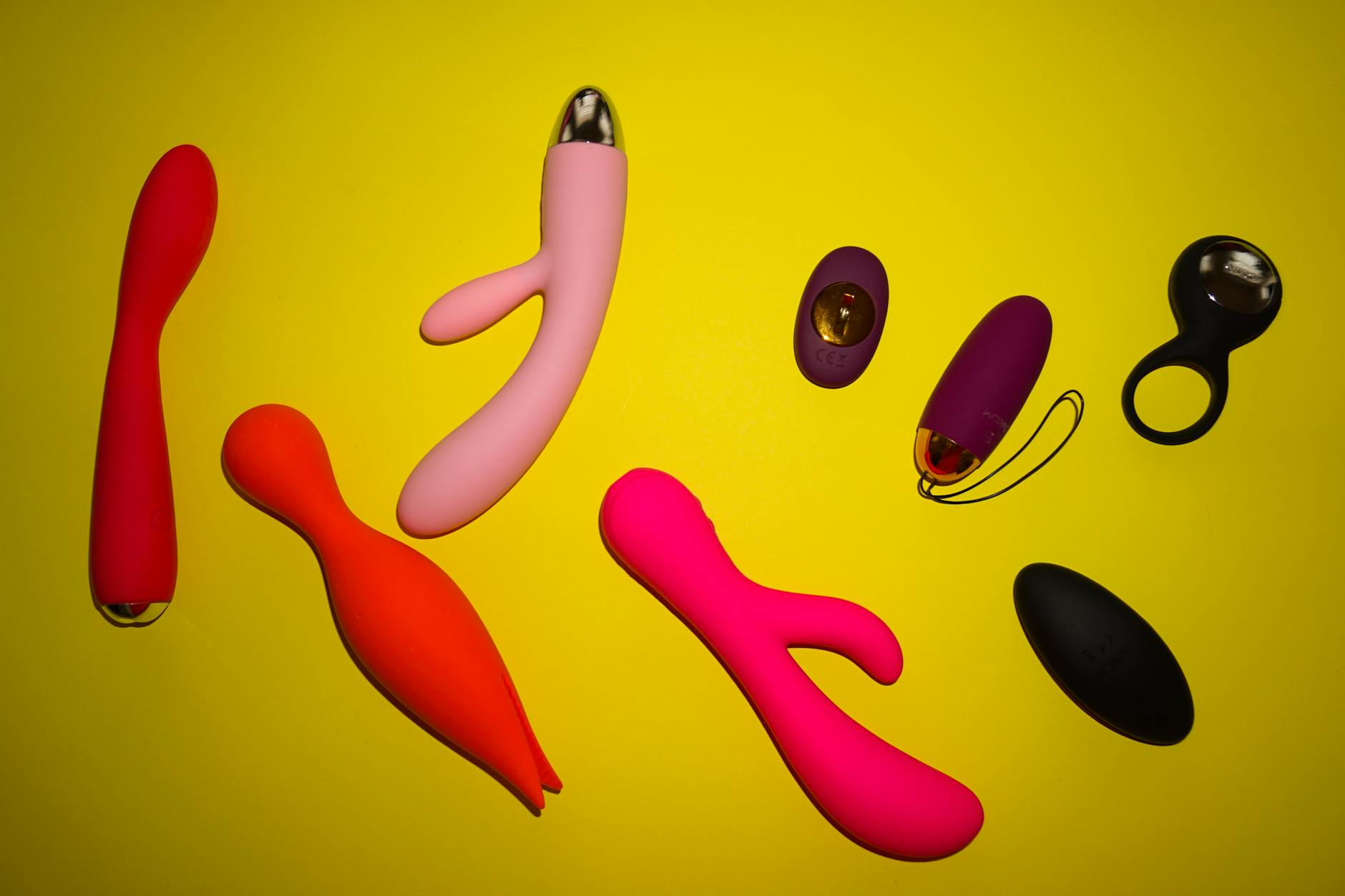
Let me be specific. If you say "I need time to warm up without you watching," that's not rejecting them. It's reclaiming the part of your nervous system that arousal needs to function. A lemon vibrator becomes useful here because it's a tool for solo discovery that takes the performance pressure completely off.
When you can explore your own pleasure on your own timeline, something shifts. You remember what arousal actually feels like when no one's waiting for it. You rebuild trust with your own body.
Starting with solo exploration
If partner pressure has been the norm for a while, your body may have forgotten what self-directed arousal even is. A lemon clitoral vibrator works brilliantly for this reset because the sensation is focused and the experience is entirely yours.
Set a time that has nothing to do with your partner's schedule. Not right before bed when they're beside you. Not on a night you've set aside for partnered sex. Just for you, with no agenda except finding out what feels good.
Start slow. Use pattern one or two on the lemon vibrator. Don't rush toward orgasm. The goal is sensation, not climax. Notice what your body wants when there's zero performance expectation. This solo time is a conversation between you and pleasure, with no third party listening.
Many people discover that their arousal actually works fine when the pressure is gone. Your body wasn't broken. It was protecting itself.
Using the lemon vibrator to practice pleasure without performance
A lemon sucker like the clitoral vibrators from Lemon Nancy Shop works differently than traditional vibrators. The suction sensation is gentler and more diffuse, which is useful when performance anxiety has tensed everything up.
When you're ready to involve your partner again, a lemon vibrator can bridge the gap. You can use it during foreplay as a way of directing stimulation without relying on manual touch. This gives you control. You're not waiting for them to find the right spot. You're determining the pace and intensity.
Tell your partner plainly: "I'm using this to feel what I need. It's not about you. I actually need you to take the pressure off and just be present." That conversation is uncomfortable for about sixty seconds and then everything changes. Suddenly they're not performing for you, and you're not performing for them.
The conversation that changes everything
Between you and me, the lemon vibrator is 30 percent of the fix. The other 70 percent is telling your partner what you actually need.
Say something like this: "I notice that when I feel you waiting for me to be aroused, my body shuts down. That's not about how I feel about you. It's about how my nervous system works. I need to know that we can be together without sex being the goal every time. I need to rebuild trust with my own arousal without an audience."
This might sting a bit. They may hear rejection. What they're actually hearing is honesty, and honesty is the only thing that fixes this. If they defend or minimize, you're not being heard. That's a different conversation, possibly with a couples therapist.
But most partners, once they understand that their pressure is the problem rather than your desire, will actually back off. They didn't realize. Now they can choose differently.
Rebuilding arousal together, slowly
Once you've had some solo time with your lemon vibrator and some real conversation with your partner, you can start inviting them back in. The key word is inviting.
Start with touch that isn't about arousal. Hand on your back. A kiss that doesn't lead anywhere. Let your body relax into affection without the implicit demand. This is called non-sexual intimacy and it's remarkably powerful for resetting nervous systems.
When arousal does return, let it be small and gradual. Your partner notices your breathing change. You move closer. Neither of you is waiting for the other to perform. You're noticing what's actually happening in real time.
When it's time to bring the lemon vibrator into partnered sex, frame it clearly: "I want to use this because it helps me feel what I need, and I want you to see that." Not because you're broken. Not because they've failed. Because you deserve pleasure that works with your body, not against it.
What happens when you reclaim your own arousal
Once your nervous system trusts that arousal is your choice and not their demand, something shifts. Sex becomes something you both want instead of something you owe. Desire actually comes back. Your partner feels wanted again because you're genuinely there, not just present.
This takes time. Depending on how long the pressure pattern has been running, you might need weeks or months of rebuilding. That's okay. Your nervous system needs to learn that it's safe to feel again.
The lemon vibrators you use during this time aren't a band-aid. They're a tool that lets you practice pleasure autonomously. Every time you use one without anyone waiting for results, you're re-educating your body about what arousal actually is.
When this is bigger than just pressure
If you've tried this and arousal still doesn't return, or if the conversation with your partner goes sideways, that's worth exploring with a sex therapist or relationship counselor. Sometimes partner pressure is a symptom of something deeper: control, mismatched desire, or intimacy issues that need professional help.
But most of the time, when you separate your partner's expectations from your own body and give yourself permission to explore pleasure without an audience, something loosens. Your arousal comes back because it was never actually gone. It was just hiding.
You deserve pleasure that happens on your terms. A lemon clitoral vibrator is just the prop. The real shift is remembering that your body belongs to you first.
FAQ
What if my partner feels rejected when I ask for solo time with a vibrator?
Say this: "This isn't about you. It's about me learning what I need so I can be more present with you." Most partners soften when they understand that solo exploration makes partnered sex better, not worse. If they can't hear that after a direct conversation, the issue isn't the vibrator. It's control, and that's worth addressing with a therapist.
How long does it take for arousal to come back after partner pressure?
It depends on how long the pressure pattern has been running. If it's been a few months, you might see shifts in a few weeks of solo exploration. If it's been years, give yourself months. Your nervous system learns at its own pace. Be patient.
Can I use a lemon vibrator during partnered sex if I'm still rebuilding arousal?
Absolutely. In fact, it can help because it gives you control over stimulation without relying on your partner to read your body correctly. Just make sure the conversation beforehand is clear: this is for your pleasure, not a substitute for them.
What if my partner wants to use the vibrator on me and that feels even worse?
That's important information. If you can't even accept touch from your partner without feeling pressure, the nervous system reset needs to be deeper. Stick with solo exploration for now. You can invite them to watch, but keep the tool in your hands. Control matters more than anything else right now.
Should I tell my partner what patterns I like on the lemon vibrator?
Not if you're in early recovery from partner pressure. Keep that discovery private. Once your arousal is more stable and you're feeling safe, sharing those preferences becomes possible. Right now, the goal is rebuilding trust with your own body, not performance-managing their response.
How do I know when I'm ready to involve my partner again?
When solo arousal with your lemon vibrator feels natural and consistent. When you can think about sex without your nervous system clenching. When the idea of your partner touching you doesn't immediately trigger the need to escape. Those are the signs your body is ready.