The gap between medical clearance and emotional readiness
Here's what your doctor won't tell you: being cleared for sex six weeks after surgery and actually being ready are two completely different timelines. You'll get the green light from your surgeon. Your body will technically function. And you might still feel nowhere near ready to explore pleasure, let alone with a partner watching. That gap is real, it matters, and you're not falling behind if you're sitting in it.
Major surgery disrupts more than your physical healing. It interrupts your sense of bodily autonomy, your confidence in your own pleasure, and sometimes your entire relationship rhythm. Adding pressure to "get back to normal" fast makes that worse. I've worked with countless people who spent months guilt-tripped by partners, or by their own expectations, about intimacy after hysterectomy, c-section, cancer surgery, or abdominal procedures. The ones who healed best were the ones who gave themselves permission to move slowly.
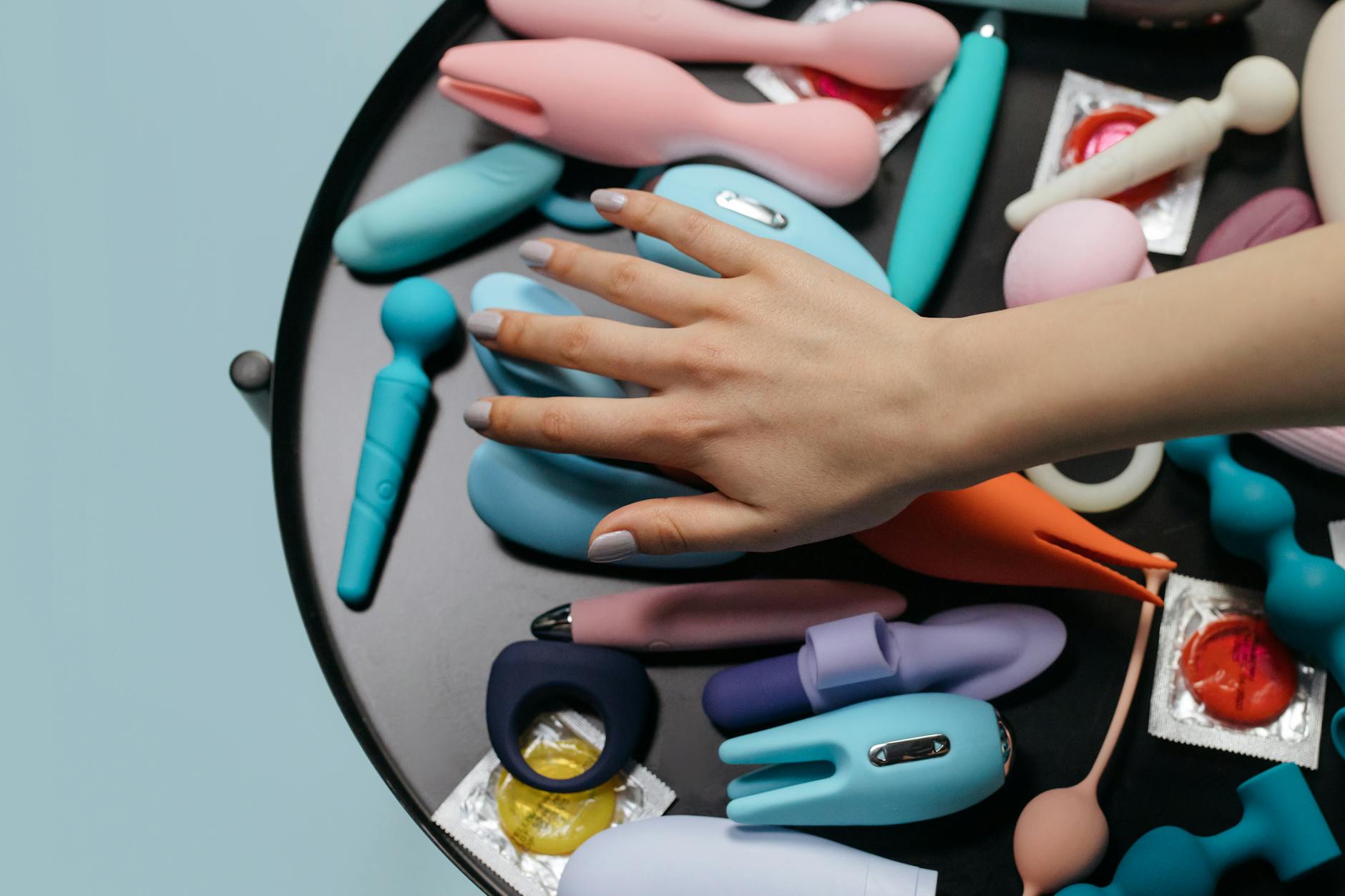
A lemon vibrator, specifically a clitoral vibrator like the Lemon Clitoral Vibrator, changes that timeline because it bypasses penetration entirely. You can explore sensation, arousal, and orgasm completely on your own terms, without anyone else's body involved, without pressure to perform, and without risk to healing tissue.
Why post-surgery intimacy is harder than it sounds
It's not just physical. Surgery rewires your relationship to your body in three ways.
First, there's the loss of control. You were sedated. Your body was operated on. Strangers saw you vulnerable in ways you didn't consent to. That violation, even when medically necessary, leaves a psychological mark. Many people describe not feeling like themselves in their own skin for months after. Pleasure, which requires a baseline of feeling safe and present in your body, becomes harder to access.
Second, there's the scar tissue. Not just emotionally. Some surgeries create actual adhesions that can make penetration uncomfortable for months or years. Even if your doctor cleared you, you might feel sharp pulling sensations, or just a weird wrongness that's hard to name. That teaches your nervous system to brace against sensation. Trust building has to happen first.
Third, there's the partner dynamic. If you're coupled, your partner has been watching you in pain or limitation. They may have guilt about their own desire. Or they might be eager to "get things back to normal" and unknowingly push your timeline. Either way, the intimacy you had before surgery isn't available right now, and trying to force it creates resentment, not connection.
The timeline that actually works
I usually talk about three phases.
Weeks 1-6: Observation phase. You're healing. Touching yourself is fine if it doesn't hurt, but the goal isn't pleasure yet. It's noticing. Where does your scar feel tight? Where is sensation muted? Where do you flinch? This information matters.
Weeks 6-12: Reconnection phase. You're cleared medically, but you're still figuring out your body. Solo touch, without pressure to orgasm, matters here. A lemon vibrator at low settings helps because the suction sensation is completely different from the pressure you might be nervous about. You're getting aroused without any risk to healing tissue. Your nervous system learns: touch is safe again.
Weeks 12 onward: Integration phase. You're moving toward partnered intimacy, but on your terms. Many people discover during solo use that they enjoy sensation in ways they didn't before, or that they need different kinds of touch. That information is gold for rebuilding intimacy with a partner.
This isn't a rigid timeline. If you're at 16 weeks and still in the reconnection phase, that's fine. If you move faster, that's fine too. The point is building from solo pleasure first, not jumping straight to partnered pressure.
How to start, practically
Pick a time when you're not in pain and you're not thinking about your scar. This matters more than you'd think. If you're timing vibrator use around your pain medication so you're numb, you're not learning your body. You're just covering it up. Wait for a day when you feel genuinely comfortable, not medicated into comfort.
Start with zero performance pressure. Set a timer for 10 minutes. No goal. No expectation of orgasm. The point is noticing what feels good, what feels weird, what your nervous system is ready for. A clitoral vibrator gives you that space because the stimulation is external and you control every variable.
Use the lowest setting first. Even if you used vibrators before surgery, your sensitivity might have shifted. Your nervous system is recalibrating. What felt right six months ago might feel too intense now. Start low. Build up.
Don't skip lube. Post-surgery, your natural lubrication might be compromised, especially if your surgery affected hormones. Water-based lube isn't weakness. It's information. If you need it, your body's telling you something about where healing still needs to happen.
Stop if anything hurts. Sharp pain around your scar, pulling sensation, or even just psychological tension means stop. That's not "push through." That's your body asking for more time. Listen to it.
The emotional part nobody talks about
Most of the difficulty isn't the vibrator itself. It's the shame, the impatience, the weird guilt about wanting pleasure when you "should" be grateful just to be alive. I've heard that last phrase from so many people. "I should just be grateful."
Here's the truth: pleasure and gratitude aren't in competition. Wanting to feel good in your body isn't selfish. It's actually necessary for full recovery. Your nervous system needs evidence that your body is safe again. That evidence comes from positive sensation, from attention, from the simple act of allowing yourself to feel good.
If you have a partner, they need to understand this too. Their role right now isn't to initiate sex or to perform. It's to be patient, to trust your timeline, and maybe to learn something new about how you like to be touched. Many couples find that the forced slowness of post-surgery recovery actually deepens intimacy because everything has to be communicated. No assumptions. No autopilot.
When to talk to your surgeon or therapist
If pain persists beyond three months, ask specifically about adhesions. If arousal is completely absent after six months, consider talking to a therapist about trauma from the surgery itself. Many hospitals have therapists who specialize in surgical recovery. That's not weakness. That's smart healing.
If you had cancer surgery or trauma, EMDR or somatic therapy can help your nervous system process what happened to your body. A lemon vibrator is a tool, but professional support is sometimes the real infrastructure.
And if you're struggling with desire or sensation after hormonally-affecting surgery like hysterectomy, it's worth a conversation with your doctor about whether HRT or other support might help. Your body changed. Support for that change is legitimate.
The permission you're looking for
You don't have to rush. You don't have to want it on anyone else's timeline. You don't have to perform recovery. You don't have to prove you're "healed" by having sex on schedule. Your pleasure matters exactly as much as everyone else's, which means it matters completely. A lemon vibrator lets you explore that on your own terms, with no audience, no performance, no pressure. That's where real recovery begins.
People also ask
How long after surgery is it safe to use a vibrator? Ask your surgeon specifically, but most allow external vibration six weeks post-op if there's no pain. Internal use typically requires clearance and may take longer. Every surgery is different.
Will a vibrator cause complications if I'm still healing? A clitoral vibrator poses almost no risk to internal healing because it's external stimulation only. Water-based lube minimizes friction. If you're experiencing pain, that's your signal to pause, not a sign that vibrators are unsafe.
What if I still have pain with a vibrator months after surgery? That might indicate adhesions, scar tissue sensitivity, or psychological tension. None of those are reasons to avoid vibrators forever. They're signals to talk to your surgeon or a pelvic floor therapist about what's causing the pain.
Can a vibrator help with numbness after surgery? Yes. Gentle stimulation helps rewake nerve pathways. It works slowly, but consistent, low-pressure use over weeks often restores sensation that felt permanently lost.
What if my partner wants sex before I'm ready? You're not obligated to move on their timeline. Couples therapy or a frank conversation about what you actually need matters more than forcing intimacy. Real connection requires both people feeling safe.
How do I talk to my partner about using a vibrator during recovery? Be direct. "I need time to feel safe in my body again. Using a vibrator alone helps me rebuild that. I'm not avoiding you. I'm preparing for us to be closer later." Most partners understand when you frame it as preparation, not rejection.