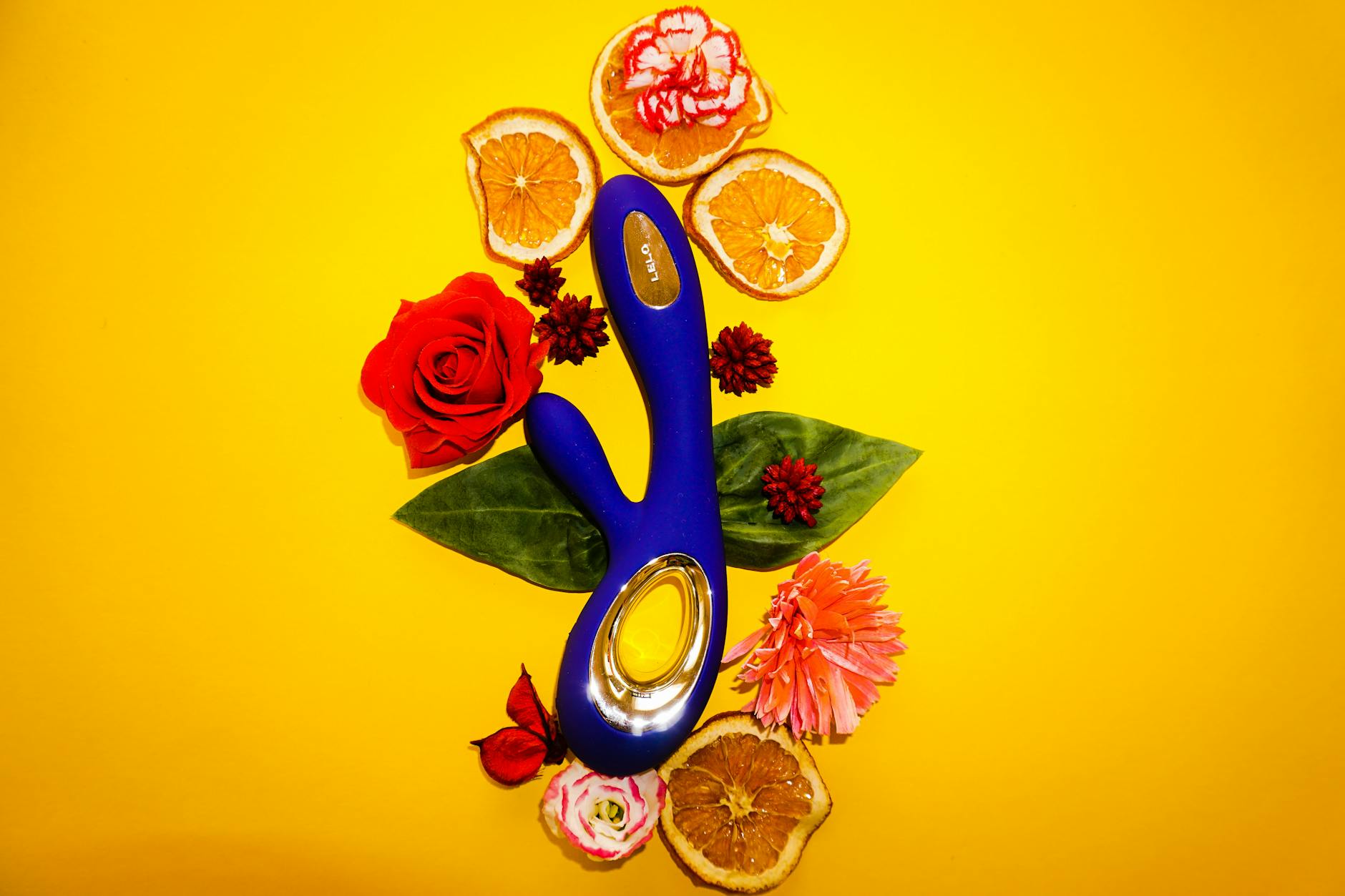
Let's start with the honest part
Recovery kills desire. Not forever, but for a while. Whether you're healing from surgery, managing chronic illness, or coming back from a serious infection, your body's energy goes inward. The nervous system is busy rebuilding. Arousal feels like a luxury item you don't have bandwidth for right now. That's completely normal, and it doesn't mean you've lost yourself.
But here's what most people don't realize: you can actually use that recovery window to rebuild desire more gently than you did before. Lemon vibrators, specifically clitoral vibrators designed around suction rather than friction, are ideal for this because they work with your nervous system instead of demanding a lot from it.
Why recovery flattens arousal in the first place
Your body has a survival priority system. Healing is at the top. When you're recovering from surgery, managing treatment side effects, or healing from infection, your nervous system is in what I call "resource lock." Blood flow, energy, mental clarity, dopamine all get redirected to the healing process. Desire isn't unimportant, but it's also not immediately essential for survival, so it gets quiet.
Add fatigue, pain medication, hormonal shifts from illness or treatment, and the psychological weight of feeling physically fragile, and arousal can practically disappear. Some people describe it as a switch that got turned off completely. Others say it's still there, but so faint they can't find it.
There's also the mental layer. During recovery, many people feel disconnected from their body. Surgery, illness, medical procedures, or medication side effects can create a sense of alienation from physical sensation. Your body becomes something that happened to you, not something you inhabit. Rebuilding desire means rebuilding that sense of ownership and home.
How lemon vibrators fit the recovery timeline
Most traditional vibrators demand something from you: consistent pressure, manual positioning, sustained engagement. They're great tools, but during recovery, they can feel exhausting. Lemon vibrators with air-suction technology work differently. They pulse without requiring you to maintain friction or pressure. You can use one for five minutes or twenty. The sensation is concentrated but gentle. You're not working; the device is doing the work.
This matters physically and psychologically. Physically, suction-based stimulation activates different nerve pathways than friction does. During recovery, when you're sensitive or fatigued, suction can feel more accessible because it doesn't require the same tissue resilience. Psychologically, the reduced effort means you're less likely to push through discomfort or force arousal that isn't there yet.
The lemon clitoral vibrator also has an advantage: its compact design means you can use it lying down, propped comfortably, without repositioning. During recovery, comfort is not a luxury. It's the foundation.
The stages of rebuilding arousal after recovery
Week 1-2 after returning to solo activities. Start with the lowest intensity setting. The goal isn't orgasm. It's sensation. Use the lemon vibrator for three to five minutes. Notice what you feel, where you feel it, whether it's pleasant. You might feel nothing. That's fine. You're essentially reintroducing your nervous system to pleasure as a category. Some people find that consistent low-intensity contact for a few minutes, done daily or every other day, gradually wakes something up.
Week 3-4. If sensation is returning, you can experiment with slightly longer sessions or moving to pattern 2 on your Lemon Nancy vibrator. Still no pressure to orgasm. The goal is still just sensation and the experience of pleasure without expectation.
Week 5 onward. By now, if healing is progressing, you might notice arousal returning more naturally. You can start to build toward orgasm if you want, or stay with simple sensation. There's no timeline here. Some people need six weeks, others need three months. Illness and surgery are individual experiences.
The psychological rebuild that matters more
Recovery flattens desire, but it also changes your relationship to your body. You've been dependent on it in ways you might not usually acknowledge. You've had to track its symptoms, obey its limitations, wait for its permission to do normal things. Rebuilding pleasure is partly about reclaiming agency over your physical experience.
If you have a partner, this is important to name out loud. Many couples assume that when the recovering partner is "ready" physically, desire will simply return. It won't. The recovering partner might need weeks or months of solo exploration with a tool like the lemon sucker vibrator before they're comfortable with partner-based sex again. That's not rejection. It's honest resource management.
For solo exploration, the lemon vibrator creates a kind of controlled environment. You're not trying to perform for anyone. You're not comparing yourself to pre-illness baseline. You're just you and sensation, no expectations attached.
Practical adjustments during the recovery phase
Three things that help almost every recovering person I work with:
1. Low-intensity patterns only. Don't graduate to the higher settings just because they exist. Your goal is to build arousal incrementally, not to chase intense sensation. The lowest settings on the lemon clitoral vibrator are designed to be accessible to sensitive tissue. Use them.
2. Session timing matters. Do this when you have energy, not when you're already depleted. Many people find mid-afternoon better than nighttime, when fatigue has already set in. Others prefer early morning. The point is to choose a time when your nervous system isn't already taxed.
3. Manage pain and medication. If you're still on pain medication, that's probably dampening sensation. That's not a reason to avoid pleasure-building, but it's a reason to have realistic expectations. Once pain meds are reduced or stopped, sensation often returns noticeably. You might want to time exploration for just after you take medication, when pain is managed but before full sedation hits.
When to hold off and when to push gently forward
Don't use any vibrator, lemon-based or otherwise, if:
You have active pain at the site of surgery or injury. This isn't prudishness. Pain is information. Your nervous system is saying the area isn't ready. Wait until pain has significantly reduced.
Your doctor or physical therapist has said pelvic floor activity should wait. This is common after certain procedures. Follow medical guidance.
You're still in the first few weeks post-surgery and your medical team hasn't cleared sexual activity. I know this is obvious, but it's worth saying: don't sneak pleasure in. Follow your post-operative guidelines.
However, do gently push forward if:
You're medically cleared and just psychologically hesitant. Hesitation is normal and doesn't mean wait indefinitely. Gentle, low-pressure exploration often dissolves hesitation faster than avoidance.
You're bored or frustrated by the slowness of recovery. Using the lemon vibrator isn't rushing healing. It's actively engaging with your own pleasure, which is part of the recovery process itself.
Desire is returning in small moments and you want to nurture it. Those moments are often tentative. A tool like the lemon adult toy gives you a structured way to pay attention to them without performance pressure.
When to bring a partner back in
If you're in a relationship, the timeline for returning to partnered sex isn't automatically the same as the timeline for solo pleasure. You might be ready for solo exploration at week four and not ready for partner sex until week eight. Or vice versa. Either is normal.
Before you introduce your partner, you need to know what you want. Solo exploration with your lemon vibrator tells you that. Once you've done some solo work and you know what sensation you enjoy, what intensity you can handle, and what patterns feel good, then you have information to share.
Start with conversation, not immediately with sex. Tell your partner what you've learned about your body during recovery. Tell them what you need. The Lem vibrator and other lemon sexual toys can absolutely be part of partnered sex too. They're not just solo tools. But using them together works best when the recovering partner has already done the groundwork alone.
The timeline no one tells you about
Recovery from illness or surgery typically takes longer than people expect. Desire return follows the same pattern. You might feel almost recovered physically and still have flatlined arousal. This is frustrating and utterly normal. The nervous system takes time to feel safe again.
Using the lemon vibrator consistently, even in these short five-minute sessions, sends a message to your nervous system: we're safe enough for pleasure now. Your system doesn't believe it immediately. But over weeks, something shifts. Sensation returns. Desire wakes up. It never happens on schedule, but it happens.
Your body rebuilt itself after illness or surgery. It can rebuild desire too. The lemon clitoral vibrator is just a tool that helps you do it on your own timeline, with your own body, without pressure or expectation.
People also ask
How long after surgery can I use a vibrator?
Most surgeons clear sexual activity four to six weeks post-surgery, but it varies widely by procedure. Internal surgery, pelvic floor procedures, and tissue repair all have different timelines. Ask your specific surgeon before using any vibrator. Once cleared medically, ease in slowly. Use the lowest settings on your lemon vibrator, keep sessions short (five minutes), and stop immediately if you experience pain or unusual bleeding.
Can lemon vibrators help with arousal issues caused by medication?
Absolutely. Many medications (antidepressants, blood pressure meds, pain killers) suppress arousal and sensation. Lemon vibrators, especially those using suction, can help bypass some of that numbness by activating different nerve pathways. That said, the medication itself might need adjusting. If arousal issues persist after recovery, talk to your doctor about whether your medication regimen can be modified. A tool like the lem vibrator helps in the meantime, but it's not a substitute for medical conversation.
Is it normal to feel nothing during early recovery exploration?
Completely normal. Your nervous system is in healing mode. It's redirecting resources. You might use your lemon sucker vibrator and feel absolutely nothing. That's not broken. That's healing. Keep showing up with the tool, keep noticing whatever you do feel, and gradually the sensitivity returns. Most people report noticeable sensation returning by week four or five of gentle, consistent exploration.
Can I use my partner and a lemon vibrator during recovery?
Yes, but timing matters. Some recovering people feel ready for partnered sex before they do solo exploration. Others need solo work first to rebuild confidence in their body. There's no right answer. What matters is honest communication. Tell your partner what your body needs. The lemon vibrator can be part of that conversation, not a replacement for talking.
Should I feel shame if I need a vibrator to rebuild desire after recovery?
No. Full stop. Recovery changes your body. Desire rebuilds slowly. Using a tool like the lemon clitoral vibrator is active self-care, not a sign of weakness or dysfunction. It's you showing up for your own pleasure during a difficult season. That's strong.
What if arousal still hasn't returned months after recovery?
If you're medically fully healed and desire still hasn't returned, something else might be going on. Sometimes it's psychological (residual fear, trauma from the experience, depression). Sometimes it's hormonal (certain illnesses or treatments shift hormone levels). Sometimes it's relational (the recovering partner and their partner drifted during the recovery window). This is worth talking to a therapist about, particularly someone who specializes in recovery and relationship dynamics. A lemon vibrator is a great tool for rebuilding sensation, but if nothing is moving after a few months, professional support helps.