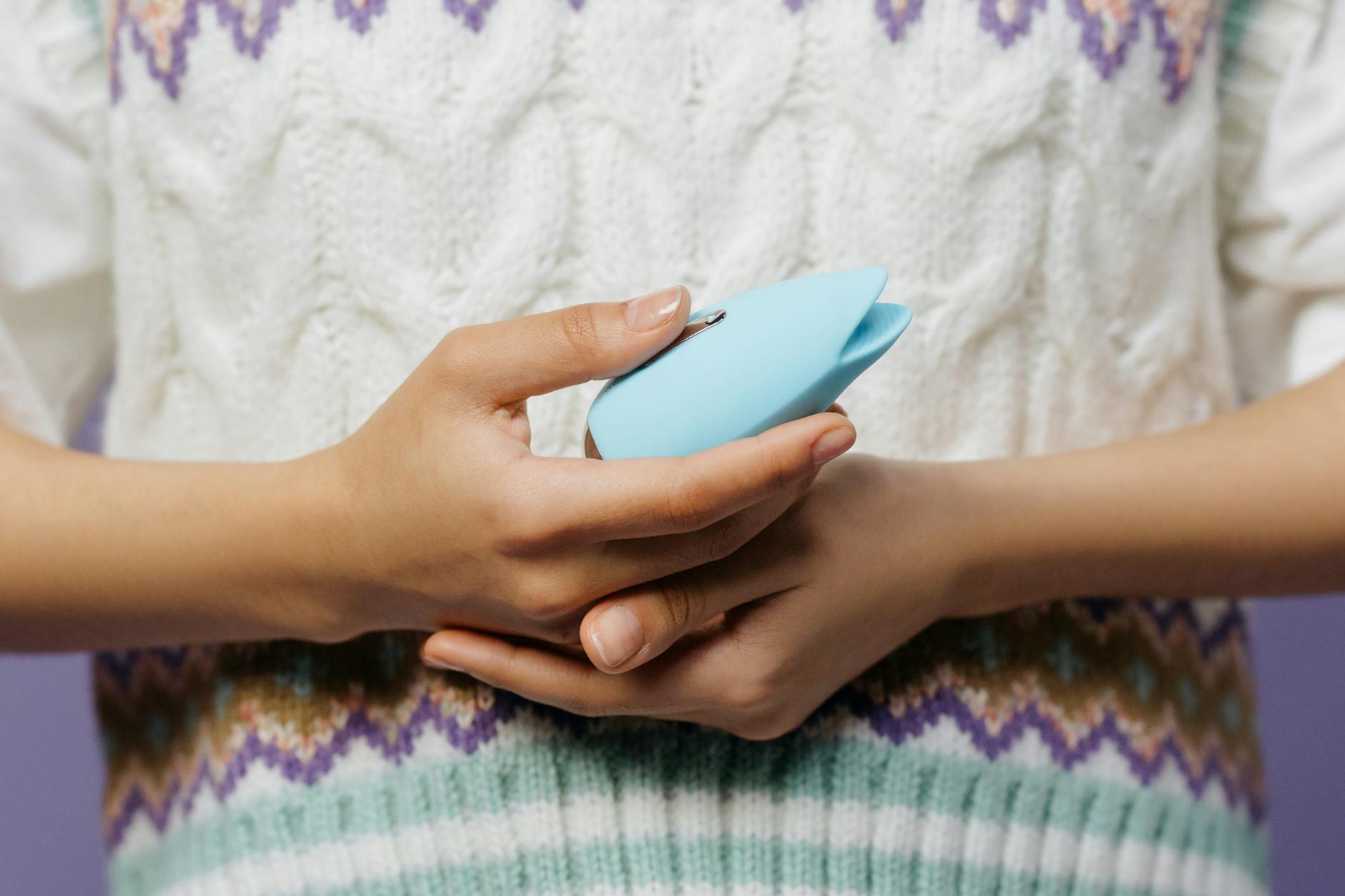
Let's name what's actually happening
You're not broken. Sensory overload during sex is wildly common, and it shows up differently for everyone. Some people find direct clitoral touch feels too raw or sharp. Others experience sensory flooding where any stimulation sends their nervous system into fight-or-flight mode. A few find that certain textures or pressure points trigger pain that has nothing to do with arousal. All of these are real, all are treatable, and none of them mean you're done with pleasure.
The problem with most traditional vibrators is that they rely on direct friction or percussion against sensitive tissue. When your nervous system is already running hot, that approach backfires. What you need instead is a tool that delivers sensation without overwhelming the system. That's where air-suction clitoral vibrators like the Lem come in.
Why air-suction changes the game for sensitive bodies
Air-suction technology doesn't vibrate against you. It creates a gentle seal and uses rhythmic pulses of air to stimulate the clitoris from a distance. Think of it less like a vibrator and more like a careful, consensual massage. The sensation is diffused across a wider area instead of concentrated on one hypersensitive point.
This matters because sensory sensitivity often correlates with heightened nerve endings. A clitoral vibrator that works by suction avoids the harshness of direct mechanical contact while still delivering consistent, intense stimulation. For people with fibromyalgia, autism-spectrum sensory sensitivities, chronic pain conditions, or trauma-related hypervigilance, this distinction can be the difference between pleasure and pain.
The second advantage: control. Most lemon vibrators offer 5-10 intensity levels. You're not locked into a preset rhythm. You build from softest to stronger at your own pace, which gives your nervous system time to acclimate instead of shocking it.
Setting up your space for sensory calm
Before you even touch yourself, your environment matters. Here's what I recommend to clients with sensory sensitivity:
Reduce competing inputs. Turn off notifications. Close the door. If background noise triggers you, use white noise or a familiar song at low volume. Some people find that soft lighting or a specific scent (lavender, citrus) helps anchor them in pleasure instead of anxiety.
Temperature check. Cold hands on warm skin can feel jarring. Warm your hands first. If you're using a lemon vibrator for the first time, hold it for a few seconds before turning it on so your body recognizes it as part of the experience, not a sudden invader.
Clothing and texture. Tight waistbands or scratchy fabric can overwhelm the nervous system before you even start. Wear something soft or go bare. Pay attention to what feels grounding versus what feels irritating.
Timing. Sensory sensitivity often spikes when you're tired, stressed, or hormonally dysregulated. If possible, explore when you're rested and calm. This isn't a rule. It's just data about when your nervous system is most receptive.
The actual technique for using lemon vibrators with sensitivity
Start with the device off. Hold it. Let your body register it. If you're alone, take 30 seconds to breathe and notice where you're holding tension. Release your shoulders. Unclench your jaw.
When you turn it on, begin at intensity level 1 or 2. Most lemon vibrators start incredibly gently. Aim for just above your clitoris rather than directly on it. The suction seal still works from a slight distance. You're building arousal gradually, not shocking yourself into it.
Move slowly. Don't hunt for the exact spot that makes you come fastest. Instead, notice: where does this feel good? Does a circular motion feel better than staying still? Does angling the device change the sensation? You're mapping your own pleasure, not chasing an orgasm.
If you hit a wall where sensation feels too intense, don't power through. Stop. Breathe. Do something grounding like pressing your feet into the floor or running cold water on your wrists. Then start again at a lower intensity or take a break. Forcing it trains your nervous system to associate sex with overwhelm.
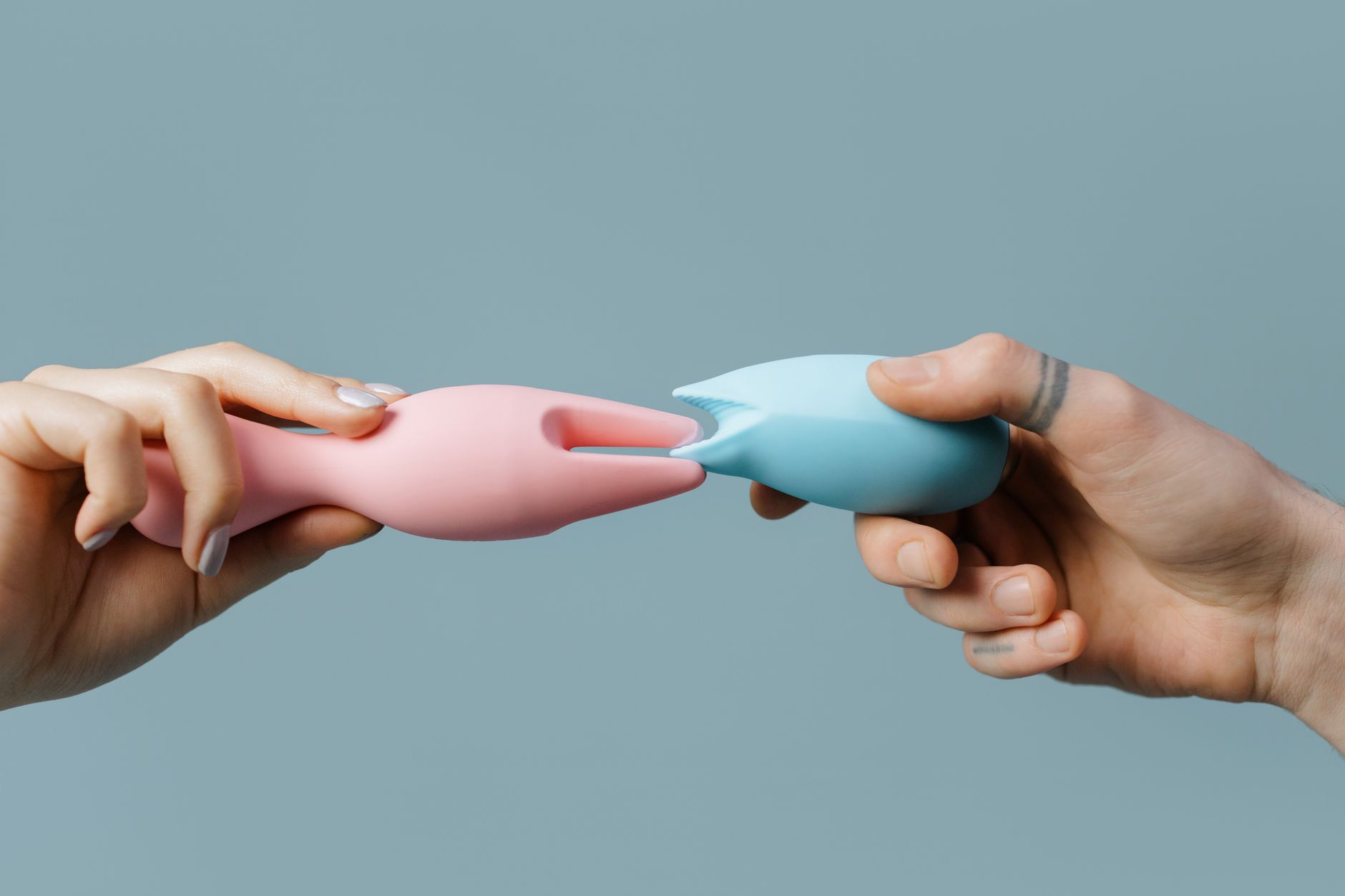
Photo by cottonbro studio on Pexels
When to involve a partner
If you're partnered, communication becomes critical. Here's what I tell couples working through sensory sensitivity together. One person holding the lemon clitoral vibrator while the other partner is present creates a power dynamic that sometimes helps. You're not trying to perform. Your partner is there as support, not spectator. They might focus on your face, your breathing, your comfort. They might hold your hand.
Other couples find that solo exploration feels safer at first. That's equally valid. Once you've mapped what works for you alone, bringing a partner in becomes less about discovery and more about deepening connection. That's a different conversation than the one you're having with yourself right now.
If you do have a partner present, establish a clear signal for "stop immediately." This isn't dramatic. It's honoring that sensory overload is real and your body gets to pause without explanation or negotiation.
Common sensory scenarios and how to navigate them
The clitoris feels raw or exposed. This often happens with higher cortisol or lower estrogen. Try using the lemon vibrator over your underwear or a thin layer of fabric first. The barrier softens sensation without eliminating it. As you acclimate, you can remove the layer.
You feel flooded even at the lowest setting. Some nervous systems need micro-doses. Turn the device on for 10 seconds, then off for 20. Build stimulation in pulses rather than continuous contact. This trains your system to handle pleasure without dysregulation.
Sensation feels numb or absent. This is different from overwhelming sensitivity and usually warrants a conversation with a healthcare provider. But in the meantime, lemon vibrators often help because air-suction delivers a broader sensation than a traditional vibrator's point stimulation. You might feel something where you felt nothing before.
Touch feels okay some days and unbearable others. This tracks with hormonal cycles, stress, sleep, and trauma anniversaries. Keep a simple note: what day did this feel good? That pattern data helps you predict when your body is likely to be receptive.
The role of lubricant when you're sensitive
Water-based lubricant isn't just for dryness. It can actually reduce sensory intensity by softening the direct pressure of any vibrator against your skin. Apply a thin layer around the clitoris before using a lemon vibrator. It changes the experience from sharp to smooth.
Some people with sensory sensitivity find that silicone-based lubricants feel heavier and more grounding. Water-based feels lighter and fresher. Experiment. There's no universal answer.
When sensory overwhelm connects to something deeper
Sometimes sensory sensitivity during sex maps directly onto trauma, anxiety, or dissociation. If you notice that touch triggers panic, flashbacks, or a sense of leaving your body, that's not a vibrator problem. That's a nervous system regulation problem that deserves proper support. A trauma-informed therapist or somatic practitioner can help you resource your body so that pleasure becomes possible again.
Pleasure is possible. It might just look different than you expected. And that's more than fine.
Frequently asked questions
How do I know if my sensory sensitivity is normal?
Sensory sensitivity exists on a spectrum and is more common than most people realize. But "normal" is a useless word here. What matters is whether it's affecting your quality of life and pleasure. If direct touch consistently causes pain or overwhelm, that's worth addressing. A gynecologist or sex therapist can help you figure out whether it's a physiological issue (like vulvodynia or neuropathy) or a nervous system regulation piece.
Can I use a lemon vibrator if I have vulvodynia?
Vulvodynia presents differently for each person. Some find that air-suction vibrators help because they avoid direct pressure. Others find that any vibration triggers pain. The best move is to start with your lowest intensity setting, use it for just a few seconds, and pay attention to whether pain emerges. If it does, stop and consult your healthcare provider. Vulvodynia is treatable, and finding the right approach matters.
Will using a lemon vibrator make me less sensitive over time?
The opposite is often true. When you use a tool that respects your nervous system's capacity, you're training yourself to associate pleasure with safety. Over time, many people find their sensory tolerance actually expands because the anxiety response decreases. You're not desensitizing yourself. You're building trust in your body.
What if my partner doesn't understand why I need this?
Partners sometimes interpret sensory sensitivity as rejection or a sign that something's wrong with the relationship. It's neither. This is a body thing, not a them thing. If you're struggling to communicate that, how to use a lemon vibrator with your partner during foreplay walks through the conversation in a way that centers connection over performance.
Can medication affect sensory sensitivity?
Absolutely. Some SSRIs, antihistamines, and blood pressure medications can numb or dull sensation. So can certain hormonal contraceptives. If you've noticed a shift in sensitivity that correlates with a new medication, that's worth flagging to your prescriber. Sometimes switching timing or dosage helps.
How long does it usually take to find a rhythm that works?
There's no timeline. Some people click with a lemon clitoral vibrator immediately. Others spend weeks experimenting with intensity levels, duration, positioning, and environment before something feels right. That exploration time isn't wasted. It's your nervous system learning that pleasure can be safe and on your terms.
The real shift
Sensory overwhelm during sex feels like a limitation. In practice, it's often an invitation to slow down and get specific about what your body actually needs. A lemon vibrator is just a tool. The real power is you deciding that your pleasure deserves accommodation, not apology.
Your sensitivity isn't a flaw. It's data. And when you listen to it, everything changes.
If you're working through sensory sensitivity and want to talk through your approach, we're here. Get in touch anytime.