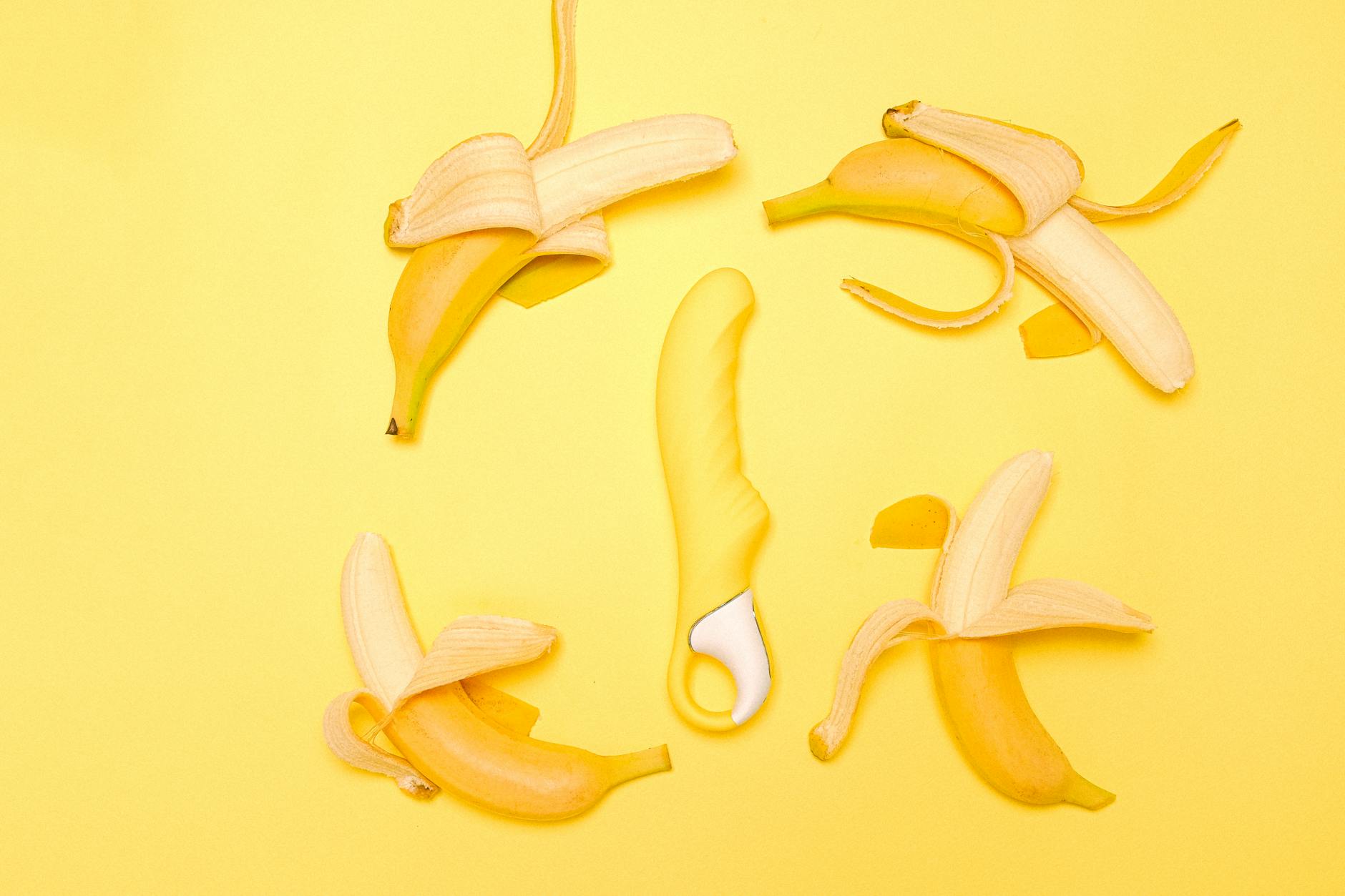
Let's talk about the trap
Vaginismus isn't a choice. It's an involuntary contraction of the pelvic floor muscles, usually triggered by the fear or anticipation of vaginal penetration. Your brain registers threat, your muscles lock down, and then the very act of trying to overcome that tightness creates pain. Which reinforces the fear. Which tightens the muscles more. It's a feedback loop that can take months or years to interrupt on your own.
Most treatment approaches focus on desensitization through progressive vaginal stretching or dilators. Those work. But they also center on the thing that's causing you distress: penetration itself. A clitoral vibrator like the Lem offers a completely different entry point. It bypasses the pelvic floor trigger entirely while rebuilding your relationship with pleasure.
Why clitoral stimulation breaks the cycle
Here's the neurology. Vaginismus locks in when your nervous system perceives vaginal touch as dangerous. Your pelvic floor muscles contract reflexively to protect the opening. Even if you consciously want to relax, the message doesn't get through. The voluntary relaxation pathways get overridden by survival instinct.
Clitoral stimulation activates a different neural circuit. The clitoris has approximately 8,000 nerve endings, all routing pleasure signals directly to the brain without passing through the threat-detection system that's been flagged in your vagina. You get genuine arousal and sensation without triggering the defensive reflex. Over time, that experience of pleasure decouples from pain. Your nervous system begins to believe that genital touch can feel good.
This is why therapists treating vaginismus often recommend starting with external clitoral work. It's not a workaround. It's a reset.
Setting up for success with a lemon vibrator
If you're using a clitoral vibrator like the Lem for vaginismus recovery, a few practical things change:
Start with the lowest intensity setting. The Lem's first three patterns are gentle enough to feel like exploration rather than intensity. You're teaching your nervous system that vibration equals safety, not pressure.
Use it solo first. If a partner is involved, the cognitive load of managing their presence while managing your pelvic floor becomes too much. Spend at least two to four weeks alone with the vibrator. Let yourself discover what feels good without performance pressure.
Never push toward penetration. This is critical. You're not using the Lem as a bridge to penetrative sex. You're using it to reclaim standalone pleasure. If you slip into the mindset of "getting ready for penetration," you've reactivated the fear cycle.
Keep it lubricated. Water-based lube reduces friction and makes the whole experience feel more intentional and less mechanical. It also gives you something tactile to adjust as you're learning your own rhythm.
What arousal without threat looks like
Most people with vaginismus have learned to override or numb clitoral sensation because touching that area was always in service of an outcome that never worked. The clitoris became associated with failure. A lemon clitoral vibrator lets you experience arousal as a standalone state, not as a means to an end.
The first few times you use it, you might not orgasm. That's not the point. The point is sensation without pain. Pleasure without anticipatory anxiety. Arousal that can sit there and exist without going anywhere. Those first experiences are rewiring your nervous system at a deeper level than any penetration-focused exercise can.
For some people, this shift happens over weeks. For others, it takes months. Both are normal. Vaginismus is usually rooted in trauma, anxiety, or sustained pressure that accumulated over years. Undoing it doesn't follow a timeline.
When your partner is part of the process
If you're in a relationship, the Lem can be brought into partnered time eventually, but timing matters. Your partner needs to understand that they're watching, not participating. They're learning what your arousal looks like without pressure. This reduces their anxiety about "getting it right" and removes the performance dynamic that often reinforces vaginismus.
Many couples use this phase to rebuild emotional intimacy without sexual stakes. Your partner might be next to you, holding your hand, narrating what they observe in a way that makes the experience less clinical. That presence can be powerful. But the vibrator and your body are the only things that matter in the room.
If you notice yourself tensing when your partner watches, that's information. It means the fear around being seen is part of the vaginismus pattern. You might need more solo practice before bringing them back in.
Rewiring the fear response takes time
Vaginismus treatment often includes pelvic floor physical therapy alongside the pleasure work. A pelvic floor PT can teach you how to consciously relax those muscles outside of sexual contexts. But that muscular work only sticks if your brain stops perceiving penetration as a threat. The Lem does that work by flooding your system with pleasure signals that contradict the fear narrative.
You might find that after a few weeks of regular use, you can feel penetration approaching (say, during a pap smear or a gynecological exam) and your muscles don't automatically lock. That's progress. It means the two systems are starting to decouple.
This doesn't mean you're "cured" and ready for penetrative sex. It means you're building the capacity to experience genital sensation without threat. The timeline for moving forward is entirely yours. Some people use clitoral vibrators long-term as their primary source of pleasure, which is completely valid. Others eventually incorporate penetration on their own terms. Neither is more advanced.
The role of self-compassion in the process
Vaginismus often comes with shame. The sense that your body is broken or betraying you. Here's what I tell my clients: your body is protecting you. It's doing exactly what it was designed to do. The protection just isn't serving you anymore.
Using a lemon vibrator isn't skipping the hard work. It's doing the hard work in a way that doesn't compound your suffering. You're not forcing your pelvic floor to relax through willpower or pain. You're inviting your nervous system back online through pleasure. That's real healing.
Be patient with yourself. If a session feels uncomfortable, stop. If you need a week off, take it. This isn't a race. The goal isn't orgasm or penetration or any external marker. The goal is reclaiming your body as a source of pleasure rather than a source of pain.
Frequently Asked Questions
Can a lemon vibrator actually help with vaginismus?
Clitoral vibrators work for vaginismus because they activate pleasure pathways that bypass the pelvic floor's defensive reflex. You're getting arousal signals to the brain without triggering the involuntary muscle contraction. This neurological separation is foundational to vaginismus recovery. That said, a vibrator alone isn't treatment. Work with a pelvic floor physical therapist and a trauma-informed therapist in parallel.
How long until vaginismus goes away?
It varies widely. Some people see shifts in pelvic floor tension after two to four weeks of consistent clitoral stimulation. Others need six months or longer. The timeline depends on how long you've had vaginismus, whether there's underlying trauma, and how your nervous system responds to the new experience. Progress isn't linear. You'll have good days and setback days. Both are normal.
Should I use a vibrator if penetration is completely impossible right now?
Yes, especially then. If penetration is currently impossible due to involuntary muscle tension, starting with external clitoral stimulation removes the immediate threat while your nervous system recalibrates. You're building confidence in pleasure without the stakes of penetration. That foundation matters.
What if using a vibrator feels anxiety-inducing at first?
Start smaller. Use it with your clothes on. Use it for 30 seconds and stop. Let your body adjust to the sensation gradually. If anxiety persists, talk to your therapist. Sometimes vaginismus is rooted in deeper trauma that needs processing before pleasure work can feel safe. That's not failure. It's information.
Can my partner use the vibrator on me if I have vaginismus?
Eventually, yes. But not initially. Start solo. Once you've built positive associations with the vibrator and your nervous system has begun to decouple penetration from threat, your partner can participate. Let them start by watching, then holding you, then eventually using the vibrator on you. The progression depends entirely on how you feel.
Is vaginismus permanent?
No. Vaginismus is a learned protective response, which means it can be unlearned. It requires patience, consistency, and usually professional support. But full recovery is possible. Many people move beyond vaginismus and go on to have pleasurable penetrative sex, or they find that clitoral stimulation alone is what they prefer. Either way, you're not stuck with this forever.
The path forward
Vaginismus isolates you. It makes you feel broken. A lemon vibrator won't fix you because you're not broken. But it can be a tool that tells your nervous system a different story. The story that your body is capable of pleasure. That genital sensation doesn't have to mean pain. That you deserve to feel good without justification or outcome.
Start with curiosity, not goals. Use the vibrator because you're interested, not because you're trying to achieve something. Let pleasure be the point. Everything else follows from there.
If you're struggling with vaginismus and need more support, reach out. We're here to talk through what might help you move forward.