The experience gap is real, but it's not what you think
Let's be honest. You're dating someone who's had more partners, more time to figure out what they like, more confidence in bed. And somewhere in your brain, a voice is saying you're behind. That you need to catch up, perform better, prove you're not inexperienced.
Stop. That's not how this works.
The experience gap isn't a skill deficit you need to close with effort and anxiety. It's a starting point. And it's actually an advantage if you reframe it.
Why less experience doesn't mean less pleasure
Here's what I see clinically, over and over. Partners with less sexual history often have something their more experienced counterpart lost years ago: genuine curiosity without performance pressure. They're not trying to replicate what worked with someone else. They're not running a mental checklist of techniques. They're actually present.
Your partner's experience gives them knowledge. Your relative newness gives you something harder to get back: the ability to discover what you actually want instead of what you think you should want.
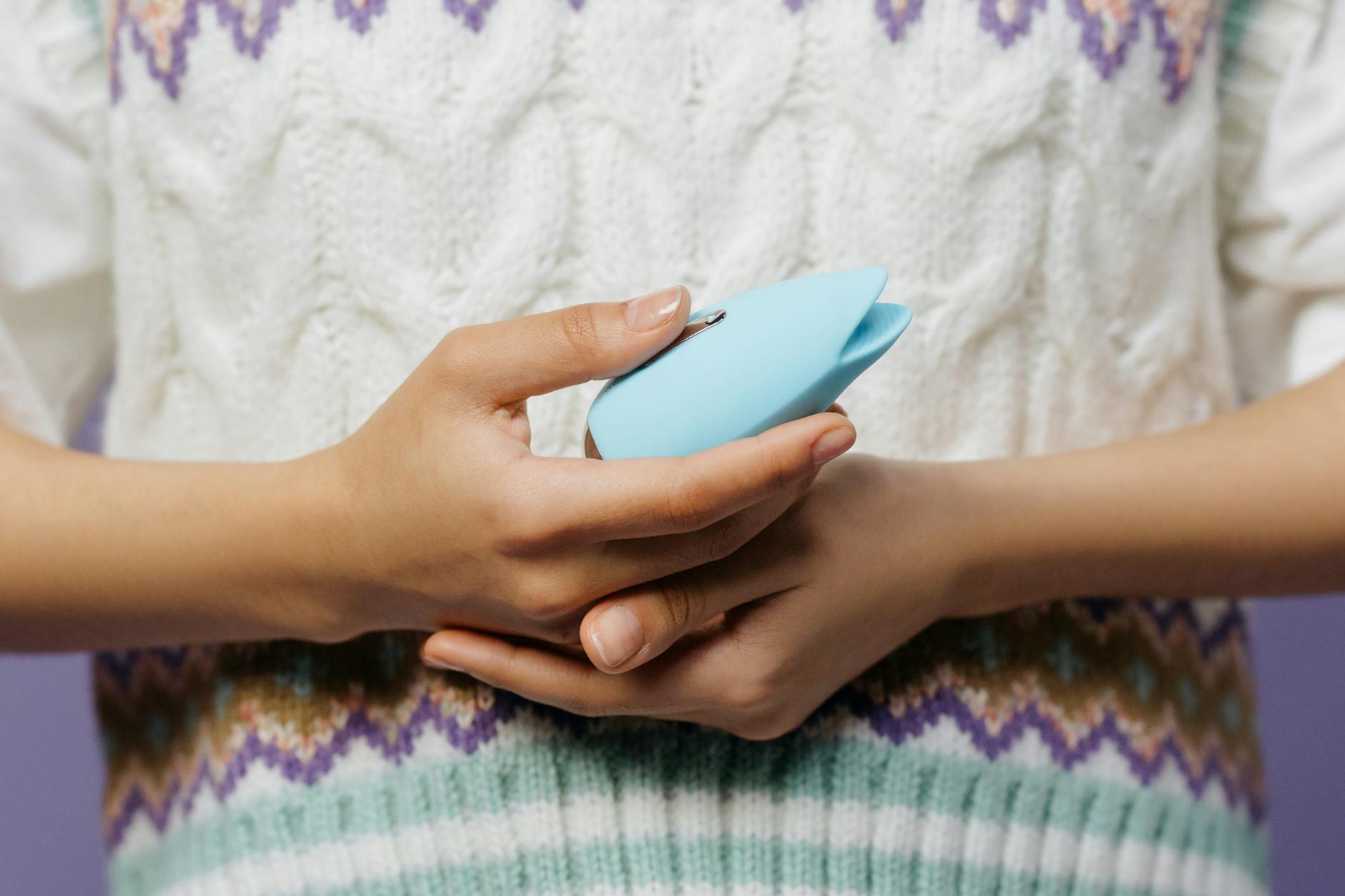
A lemon clitoral vibrator like the Lem works brilliantly here because it removes the pressure to "do something right." You're not performing pleasure. You're finding it.
Why the experience gap makes you self-conscious
Three things happen when you know your partner has more experience:
You compare your body to their exes in your head. Unfair. Inaccurate. Exhausting. Stop.
You assume they're judging your technique. They're probably not. They're probably just enjoying what's happening.
You rush to appear confident instead of actually becoming confident. This one's sneaky. You say yes to things you're unsure about. You fake enthusiasm. You hide questions. Confidence built on fakeness collapses fast.
Real confidence comes from knowing your own body first. A lemon sexual toy gives you that knowledge on your timeline, alone, before you bring it into partnered sex.
Start with solo exploration, not performance
This is nonnegotiable. Before you use a lemon vibrator with your partner, spend time with one alone.
Not because you need to "get better." Because you need to know what you actually like without anyone watching or waiting.
Set a time when you have privacy and no rush. Twenty to thirty minutes is enough. Start on a lower intensity setting on the Lem. Most people jump to intensity level 3 or 4 because they think they should. Start at level 1. Spend five minutes there. This isn't about chasing an orgasm. It's about noticing sensation.
What patterns feel good? Do you prefer consistent rhythm or variation? Does lighter stimulation work better, or do you need more pressure? Do you like it when the sensation builds slowly, or do you prefer quick peaks?
These answers are unique to you. Not to your partner, not to their exes. You.
When you know these things, walking into partnered sex with a lemon clitoral vibrator feels like bringing knowledge, not anxiety. That's the confidence shift.
How to talk about it without the shame spiral
Your partner probably already knows you have less experience. The fact that you're nervous about it is actually the thing that needs attention, not your inexperience itself.
Here's what to say: "I'm excited to explore this with you, and I'm also a little nervous because I haven't had as much experience. I want to go slow and figure out what I like. That's not about you or your skills. I just need to get more comfortable with myself first."
That sentence does three things.
One, it's honest without being self-flagellating. Two, it sets a boundary: slow means slow. Three, it's about you, not about them having to manage your insecurity.
A good partner will get this immediately. They'll slow down. They'll ask questions. They'll make space for you to be a beginner without judgment.
If they don't, that's data you need to know now.
Using a lemon vibrator together when you're the less experienced one
Once you've spent solo time with your toy and you feel grounded in what you like, bring it into partnered play.
Start with foreplay. Let your partner touch you for a while first. Then introduce the lemon clitoral vibrator. You control it. Not them. This is essential. The moment they're in control of the toy, you're back in performance mode.
Say something like: "I want to use this while you touch me," and show them what you've learned about your own body. That confidence is magnetic.
Don't worry about "doing something" back right away. Just be present with what's happening to you. That's enough.
The unexpected advantage of starting later
I've worked with couples across the experience spectrum, and here's something no one talks about: people who come to sex later, or with less history, often have better orgasms and stronger pleasure once they get grounded. Why? Because they skipped the performance anxiety phase. They went straight to sensation.
Your less experienced partner might sound like a vulnerability. It's actually a shortcut past years of people-pleasing that a more experienced person has to unlearn.
You get to build your sexual self on curiosity, not obligation. That's rare. That's powerful. That's why using a lemon sexual toy in this moment matters so much. It's not about catching up. It's about starting right.
What to do if the pressure doesn't go away
Sometimes the experience gap triggers something deeper: insecurity about whether you're "enough," whether you deserve pleasure, whether you're attractive. A toy can't fix that, and that's okay. That's where a therapist comes in.
If the nervousness is overwhelming, if you find yourself unable to be present during sex, if you're constantly comparing yourself to people you've never met, that's worth addressing separately from the mechanics of sex itself. You deserve to feel good in your own skin, with or without a partner.
The experience gap closes faster than you think
Here's what happens over time: you use a lemon clitoral vibrator. You learn your body. You bring that knowledge into partnered sex. You talk. You adjust. Your partner learns what you like. The gap doesn't close because you caught up to them. It closes because experience becomes mutual.
Six months from now, your partner will have learned more about you than they ever learned about anyone else, because you were willing to be a beginner without shame. That's not inexperience. That's intimacy.
Your pleasure matters. Your comfort matters. Your discovery process matters. Start there.
People also ask
Is it weird to use a lemon vibrator if I've never had one before?
Not at all. Lots of people use clitoral vibrators for the first time in a relationship, and it's completely normal. In fact, bringing one in when you're still figuring out your own body can actually strengthen your connection because you're both learning about your pleasure together. There's nothing weird about taking care of yourself.
Should I tell my partner I've used a lemon vibrator alone before introducing it together?
You don't have to. Some people do, some don't. What matters is that when you use it together, you feel grounded and confident in your own body. If sharing that feels good and builds trust between you, go for it. If you'd rather keep that solo exploration private, that's your right too.
What if my partner feels threatened by the lemon vibrator?
Some partners worry that a toy means they're not enough. That's worth addressing directly. A lemon clitoral vibrator isn't a replacement. It's a tool that helps you access your own pleasure more easily, which actually makes partnered sex better. If your partner stays threatened after you explain that, couples counseling can help unpack what's really going on beneath the surface.
How do I know if I'm using the lemon vibrator correctly?
There's no single right way. If it feels good, you're doing it right. Some people prefer direct stimulation on the clitoris. Others like the sensation just off to the side. Start at lower intensity and move up. Pay attention to what makes your body respond. That's all the correctness you need.
Can using a lemon sexual toy help me catch up to my partner's experience?
Not in the way you're thinking. A vibrator helps you understand your own pleasure. That's different from experience, which is about time and exposure and learning what works across different contexts. What the toy does is compress the timeline for self-knowledge. You'll feel more confident faster because you actually understand your body. That confidence is what matters.
What if I have an orgasm with the vibrator but not with my partner?
Totally common, especially early on. Orgasm with a toy and orgasm with a partner engage different things. One is pure sensation. The other involves vulnerability, coordination, communication, trust. They're not the same skill. If orgasm with your partner matters to you, you can work on that over time with patience and communication. The vibrator is just one piece of a bigger picture.