Let's start with what you're actually afraid of
You're worried your new partner will think you're too eager, too weird, or that bringing up a lemon vibrator means you're telling them your body doesn't work right on its own. None of that is true. What's actually happening is that you're about to have one of the most honest conversations a couple can have. That's terrifying and also the beginning of real intimacy.
Here's the thing: introducing a clitoral vibrator early isn't awkward. Pretending you don't want one while resenting your partner for not reading your mind is awkward. One conversation now saves months of unspoken frustration later.
Why the timing matters (and when it doesn't)
There's this myth that you have to wait until a relationship is "established" to talk about toys. That's nonsense. You don't need to bring it up on a first date, but you also don't need to wait three months.
The sweet spot is usually once you've been sexual together a few times and you both seem comfortable asking basic questions (like "What feels good?" or "Do you like it when I do this?"). That usually lands somewhere between date 4 and 8, depending on how the physical part develops. If someone can't handle a conversation about lemon vibrators or suction toys, that's telling you something valuable before you invest more time.
The real rule is simple: bring it up when you'd want to actually use it. Don't mention it casually at brunch three weeks before you're ready to actually incorporate it. That just creates awkward runway. Ideally, you're having the conversation 2 to 5 days before you might actually try it together.
How to open the door without it feeling like a production
Forget the sit-down conversation where you light candles and get serious. That makes it bigger and weirder than it is. Instead, ease in naturally. A few real opening lines that work:
"I've been using this clitoral vibrator on my own, and I'd love to see if it feels good with you involved." This frames it as something you already own, already know how to use, and genuinely enjoy. That's factual and unsexy, which is weirdly the most disarming approach.
"I've noticed I come more easily with certain kinds of stimulation. Would you be open to using a toy together?" This puts the focus on your body's actual needs, not on replacing anything they do.
"I just got this lemon vibrator from Hello Nancy that I'm really into. Want to try it?" Sometimes naming the brand and the thing makes it feel less loaded. It's a product, not a judgment.
Pick whichever version lands closest to how you actually talk. The worst opener is the one you haven't rehearsed in your head first, because then you fumble and it sounds like you're confessing to something.
What to say if they get weird about it
Some people will have a reaction. Here's what that usually translates to and how to handle it.
"Do you need a vibrator because I'm not enough?" This one comes from insecurity and old storytelling about what toys mean. The honest answer: "No. My body responds to certain types of stimulation, just like yours does. A vibrator is another tool, like lube. It's not about replacing you. It's about us both feeling good."
"I'm not into that." Okay. You can say, "That's fair. I respect that. But I want to keep exploring what works for my body. Are you willing to be part of that, or would you rather I do this on my own time?" Then listen. If they're genuinely not interested, you have a choice: accept that boundary or recognize this person isn't a good long-term fit. Both are valid.
"I've never done that before." Perfect. Neither have they, probably. You can say, "That's why I want to try it together. I'd rather figure this out with you than alone."
What you're listening for under all of these responses is whether they're willing to be curious about your pleasure. If they are, you're good. If they're defensive or controlling about what you do with your own body, that's a bigger conversation and possibly a dealbreaker.
The setup that actually works
Let's say they said yes, or at least didn't say no. Now comes the practical part.
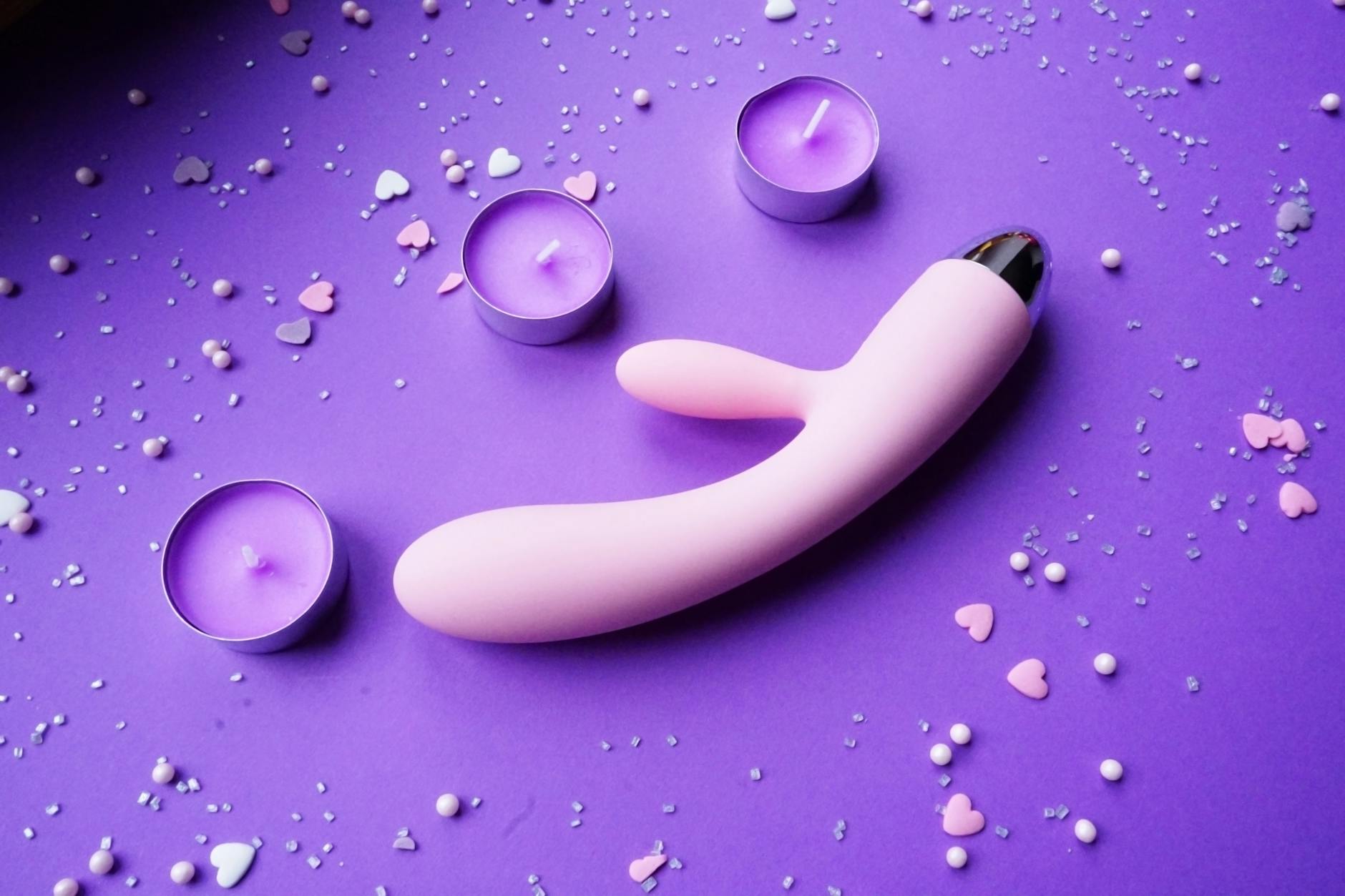
First, show them the lemon vibrator you're talking about before you're in bed. Let them hold it, see the size, understand it's not some industrial thing. The Lem is small, elegant, quiet. Most people's immediate fear dissolves once they see it's literally the size of a lime and made from medical-grade silicone.
Second, set expectations. Say something like: "I'm going to use this during foreplay. It might feel different for me, and I might need a moment to adjust. That's totally normal. Just let me guide you." This prevents the "Why aren't you responding the same way?" panic.
Third, use lube. Always. It's not because anything's wrong. Water-based lube makes everything feel better and more comfortable, period. No negotiation.
Fourth, go slow. Don't jump straight to orgasm mode. Try the lower settings first. Let your partner see how it makes you respond. When you finally orgasm, they'll feel proud they were part of facilitating that. That's the opposite of feeling replaced.
During the moment: communication is still the point
If your partner is involved, keep checking in, but not in a robotic way. A simple "That feels amazing" tells them they're doing it right. A "Slower" or "That pressure" guides them without breaking the mood. If you need them to back off the clitoral vibrator for a second, just say it.
Honestly though, many partners love watching. Some feel relieved because suddenly they don't have to be the sole source of your pleasure. That takes pressure off them. A healthy partner wants your orgasm more than they want to be the only reason you have one.
If this is something you're doing solo, that's completely valid too. You don't have to include your partner just because you're in a relationship. But if you want to, being honest about it upfront means there's no surprise or resentment later.
The after-talk that matters
After sex, when you're lying there, just briefly check in. "That was really good. How did that feel for you?" Listen. If they loved it, great. If they felt insecure, that's data. You can say, "What would help you feel more connected?" and actually listen to the answer.
Sometimes the problem isn't the toy, it's that they need reassurance you still want them. Fine. Give them that. It's not about choosing between your pleasure and theirs. Both can exist.
What if they want to be in control of the toy?
Some partners ask if they can hold or control the lemon vibrator. That's your call entirely. You might love that. You might want to keep control yourself. There's no rule. The only thing that matters is you're comfortable.
If you do let them control it, guide them at first. Show them what feels good. Suction toys like the Lem have a learning curve, and not every angle works for every body. You're the expert on your own pleasure, so be the teacher.
The bigger thing this conversation opens up
Introducing a clitoral vibrator early in a relationship does something else valuable: it sets a tone that you're both allowed to be honest about what you actually want. That honesty spreads. You'll find yourself talking about other things more freely because you've already done the scariest bit.
People who can talk about sex toys are people who can usually talk about harder stuff. Boundaries. What they need emotionally. What scared them about the last relationship. That's real partnership.
FAQ: The questions people actually have
Q: Is it weird to use a lemon vibrator if we haven't been dating that long? A: Not weird at all. Using a toy together is a form of sexual exploration, same as trying a new position. If you both consent and you're curious, it's fine. The awkwardness usually comes from treating it like you're asking permission to cheat, not like you're asking to try something together.
Q: What if I'm embarrassed about my body's response to the toy? A: A lemon vibrator might make you orgasm faster, or differently, or require different stimulation than intercourse alone. That's information, not something to be ashamed of. Your partner gets to see what turns you on and gets to be part of that. That's a gift.
Q: Should I tell them about the toy before buying it, or just surprise them with it? A: Before is better. You're setting expectations and giving them the chance to opt in. Surprise sex toys are usually landing badly. Even if they say yes, knowing it's coming means you both show up mentally prepared, which makes everything better.
Q: What if they want to use the clitoral vibrator on themselves too? A: That's between you two. Some people love sharing toys. Some prefer their own. Have that conversation before bed, not during. Something like "Would you want your own, or are you okay using the same one?" takes the guesswork out.
Q: How do I know if they're actually comfortable or just pretending? A: You watch for genuine curiosity over time. A partner who's pretending will be quiet about it. A partner who's actually comfortable will ask questions like "What setting do you like?" or "Can I try this angle?" Authentic comfort shows up as engagement, not silence.
Q: Is it okay to use a lemon sucker toy without telling my partner? A: You get to use toys on your own. You don't need permission to explore your own body. But if you want your partner involved, honesty is the foundation. If you're hiding it, ask yourself why. Usually the answer tells you something about the relationship you actually want.
The real takeaway
Introducing a lemon vibrator to your new partner is not a test of the relationship. It's an investment in it. The conversation you're dreading is actually the one that sets the tone for how you two will navigate pleasure, honesty, and vulnerability for however long you're together.
Your body's needs are not a problem to solve quietly. They're information to share. A partner worth keeping wants to know what makes you feel good. Start the conversation. You'll be surprised how quickly the awkwardness melts.