Let's name what's actually happening
One-sided intimacy doesn't announce itself with fanfare. It creeps in quietly. You start noticing that sex ends when your partner is satisfied. Foreplay skips your preferences. Your orgasm becomes optional, their orgasm becomes the mission. And somewhere along the way, you stopped asking for what you wanted because asking felt like work nobody wanted to do.
Here's what I see in my practice: this pattern rarely starts with malice. It usually starts with miscommunication, exhaustion, or one person's pleasure becoming the default metric for "was that good." But naming it changes everything.
Why one-sided intimacy happens (it's rarely what you think)
Most people assume one-sided sex means their partner doesn't care. That's sometimes true. More often, it means one or both of you has stopped communicating what you actually want.
Three patterns I see repeatedly:
Pattern 1: You've trained yourself to be the "easy" partner. Over time, prioritizing their pleasure over your own becomes the path of least resistance. You assume they're stressed, busy, tired. You've become the emotional manager of the relationship, and somehow that extended to managing your own disappointment.
Pattern 2: You've never directly stated what one-sided means to you. Your partner might genuinely believe the current dynamic is working. They might not realize you're frustrated. Many people don't register the absence of something they've never been told matters.
Pattern 3: There's a deeper disconnection you're both avoiding. Sometimes one-sided sex is actually one-sided emotional intimacy wearing a sexual disguise. The sex mirrors the relationship.
Understanding which pattern you're in matters, because the fix changes based on the root.
How lemon clitoral vibrators shift the power dynamic
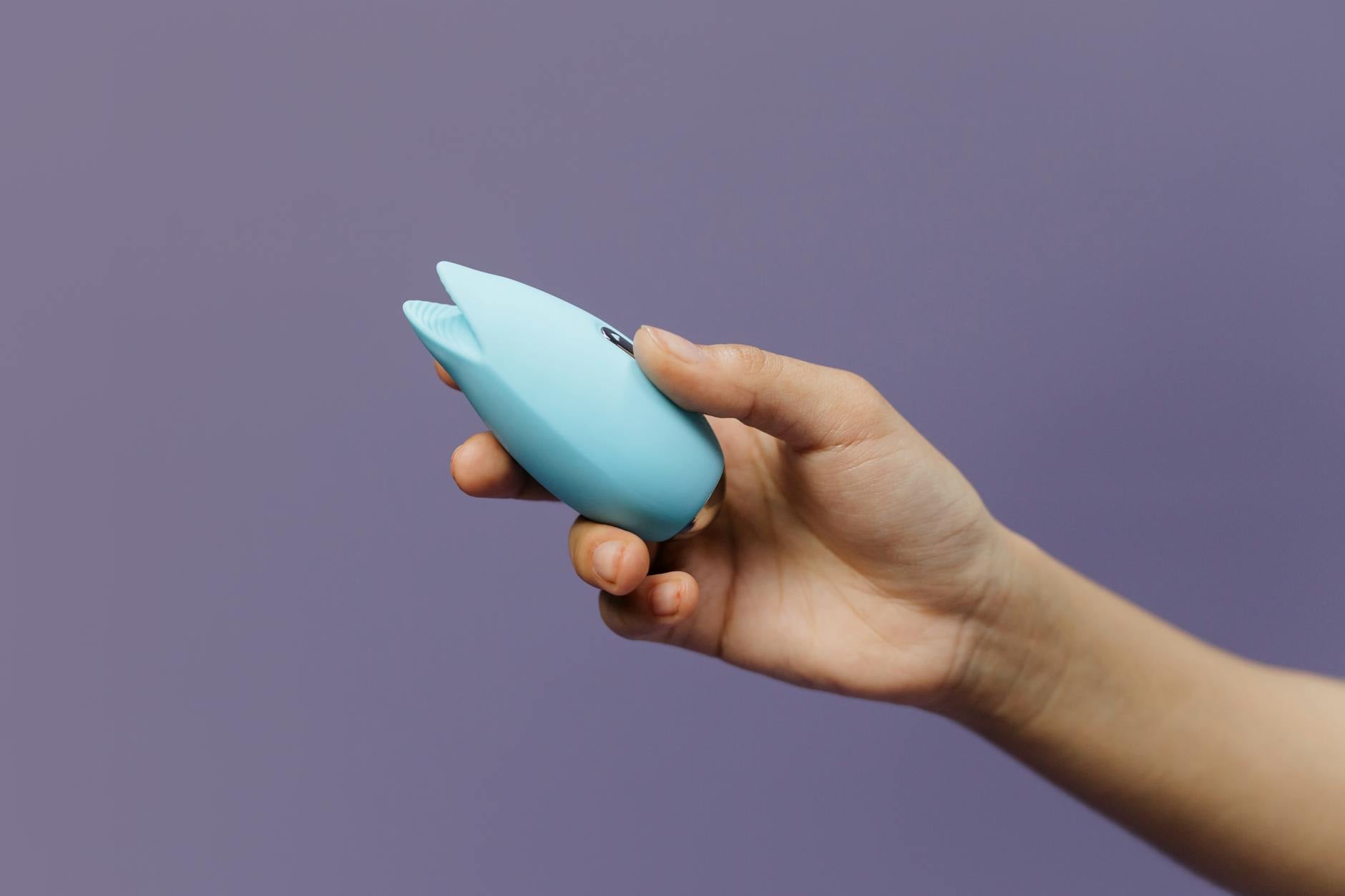
Here's what I tell clients: a lemon vibrator is a boundary-setting tool, not a workaround.
When you introduce your own source of reliable pleasure, two things happen simultaneously. First, your nervous system gets what it needs, independent of your partner's performance or attention. Second, you're sending a message: your pleasure is non-negotiable, even if you have to be the one ensuring it happens.
That shift is not about replacing your partner. It's about refusing to abandon yourself in the relationship.
Lemon clitoral vibrators are particularly useful for this because they're efficient. If you've been conditioned to minimize your own needs, a suction vibrator gets you to orgasm faster than waiting for your partner to notice you're not satisfied. That speed isn't laziness. It's self-preservation.
The conversation you probably need to have first
Introducing a toy into a one-sided dynamic requires honesty you might be avoiding.
Here's the difference between using a lemon vibrator as a solo fix versus using it as part of rebuilding intimacy. If you're using it to avoid having a hard conversation, that works temporarily. But the one-sided dynamic keeps growing.
If you're using it as evidence that something needs to change, that's different.
That conversation might sound like: "I've noticed we don't spend time on my pleasure anymore. That matters to me, and I'm not okay with it being optional. I've been thinking about bringing a toy into our intimacy because I want to take responsibility for my own satisfaction, but I also want us to talk about what's happened to us."
Notice what's there: accountability, clarity on what's unacceptable, a specific ask. No blame, no "you never," no martyrdom.
That's hard. I know. But less hard than five more years of resentment.
Ways to use lemon sexual toys when the dynamic is unequal
Scenario 1: You want to introduce pleasure without confrontation (yet). Use your lemon vibrator during solo time. Let them notice. Orgasms are loud and visible. When they ask about it, you don't need to perform shame. You can just say: "I wanted to explore what feels good. You should too." That casual ownership of pleasure is contagious.
Scenario 2: You want to reclaim pleasure during partnered sex. Bring the vibrator into sex with them explicitly. "I want to come tonight. I'm going to use this." Not a question. Not seeking permission. You're stating what's happening. If they feel threatened, that's information. Threatening partners often don't want you to have independent pleasure.
Scenario 3: You want to rebuild intimacy while protecting yourself. Use the vibrator as part of foreplay that works both ways. "I'd like us to focus on my pleasure for a while. I'll use this while you explore what you want too." This sets a new precedent: mutual satisfaction is the goal.
Scenario 4: You want to slow-play the boundary. Start with touch. Then introduce the idea of a toy casually. Then actually use it. Each step lets them adjust. It's not manipulation. It's letting them meet you gradually instead of shocking them.
What happens after you set the boundary
Some partners will feel threatened. That's real. Lemon clitoral vibrators can trigger insecurity because they represent autonomy. You no longer "need" them to feel good.
Honestly, that's the point. You shouldn't need anyone to let you have pleasure.
If your partner responds to your boundary by shutting down, getting angry, or demanding you explain why you need a toy, you have useful information. That response tells you whether they're interested in your satisfaction or only in their comfort.
Some partners will get curious. They'll ask what feels good. They'll want to participate. That's usually a sign the disconnection is fixable.
Many will feel relieved. They might have been carrying guilt about the one-sided dynamic without knowing how to fix it. Your willingness to take charge of your own pleasure actually frees them up to do the same.
The one-sided intimacy paradox
The fastest way to fix one-sided sex is to stop participating in it being one-sided.
That doesn't mean leaving your partner. It means using tools like lemon sexual toys, having uncomfortable conversations, and refusing to minimize your own needs in the name of keeping the peace. When both people in a relationship start demanding satisfaction instead of requesting it, the dynamic shifts.
Your pleasure isn't negotiable. Your partner's comfort with that isn't the limiting factor. A lemon vibrator makes that physical. It says: I matter. My orgasm matters. My satisfaction is not optional.
That's not a toy. That's a revolution.
Frequently asked questions
Will using a lemon vibrator make my partner feel replaced?
Maybe initially. But here's the thing: if they feel replaced by a toy, that's information that the real issue is their investment in your pleasure, not the toy itself. A secure partner usually feels relieved when their significant other has an independent source of satisfaction. That's not a threat. That's partnership.
Can I use a lemon clitoral vibrator if my partner doesn't know about it yet?
Yes, and many people do solo. But be honest with yourself about why you're hiding it. If it's because you're protecting their feelings instead of protecting your own needs, that's the one-sided pattern showing up again. You deserve to own your pleasure without secrecy, ideally.
How do I bring it up without making things weird?
Ownship makes it not weird. Shame makes it weird. If you introduce it casually like you'd introduce a new skincare routine ("I got something I want to try"), most partners follow your emotional lead. If you apologize or explain it away, they'll mirror that discomfort.
What if we use the vibrator together and things still feel unbalanced?
Then the issue isn't the toy. It's the conversation. A toy is a prop. The real work is naming the dynamic and deciding together to change it. If you've had that conversation and nothing shifts, you're dealing with a deeper issue that might need a couples therapist.
Does using lemon adult toys mean I'm giving up on our intimate connection?
The opposite. It means you're refusing to sacrifice your own pleasure while waiting for something to change. Pleasure matters. Your body matters. You deserve satisfaction whether your partner is present or not. That's not anti-intimacy. That's pro-you.
Can we use lemon vibrators as part of healing if we've both felt disconnected?
Absolutely. Shared exploration can rebuild curiosity and presence. But only if both people are willing. If one person is using a toy to compensate for their partner's unwillingness to engage, that's different. The tool can't fix an unwilling partner. It can only support someone who's already committed to change.
What comes next
One-sided intimacy doesn't fix itself by accident. It fixes itself when someone decides their pleasure is non-negotiable. Sometimes that someone is you.
Lemon clitoral vibrators are tools. They're honest tools. They don't lie about what you need. They don't apologize for your satisfaction. They don't ask permission.
Neither should you.
If you're ready to have that conversation with your partner, or if you want to explore what solo pleasure actually feels like without guilt, start there. The vibrator comes after you've decided you deserve to feel good. Not before.
Ready to reclaim your pleasure? Check out our guide on building communication in intimate relationships or explore what works for your body without anyone else's timeline.