Let's start with the thing nobody talks about
Grief kills desire. Not metaphorically. Your nervous system literally downregulates pleasure, arousal, and physical sensation when you're processing loss. That's biology, not a sign that you're broken or that you've moved past pleasure forever.
But here's the part that makes reconnection hard: when desire starts returning, it often arrives with guilt. You're grieving someone, and your body wants pleasure. That feels impossible. Disloyal. Wrong.
It's none of those things. Your body returning to itself is a sign of healing.
Why grief specifically pauses physical pleasure
Grief activates the parasympathetic nervous system in a way that's different from stress or anxiety. Your body enters a conservation mode. Blood flow redirects toward your core organs and away from the extremities. Cortisol and adrenaline spike, but dopamine and oxytocin drop. Lubrication decreases. Sensation becomes muted.
This isn't personal failure. It's your nervous system protecting you while you process.
Most people expect this to reverse quickly, like flipping a switch. It doesn't. The timeline for reconnecting with pleasure after grief is rarely linear. You might have a day where sensation returns and feels almost normal, followed by weeks where everything feels numb again.
The guilt piece is where it gets complicated
If you've lost a partner, pleasure can feel like a betrayal. You're supposed to be suffering. Wanting to feel good feels selfish.
If you've lost someone else (a parent, friend, child), the guilt is often more subtle but just as real. You're grieving. What gives you the right to experience physical pleasure while they're gone?
Here's what matters: reconnecting with pleasure is not the same as moving past your loss or dishonoring the person who's gone. Physical sensation returning is your body doing its job. Your brain can grieve while your body heals. These aren't contradictions.
The practical reset: starting slow
When you're ready to reconnect with pleasure, you're rebuilding a relationship with your own body. Slow is the only speed that works.
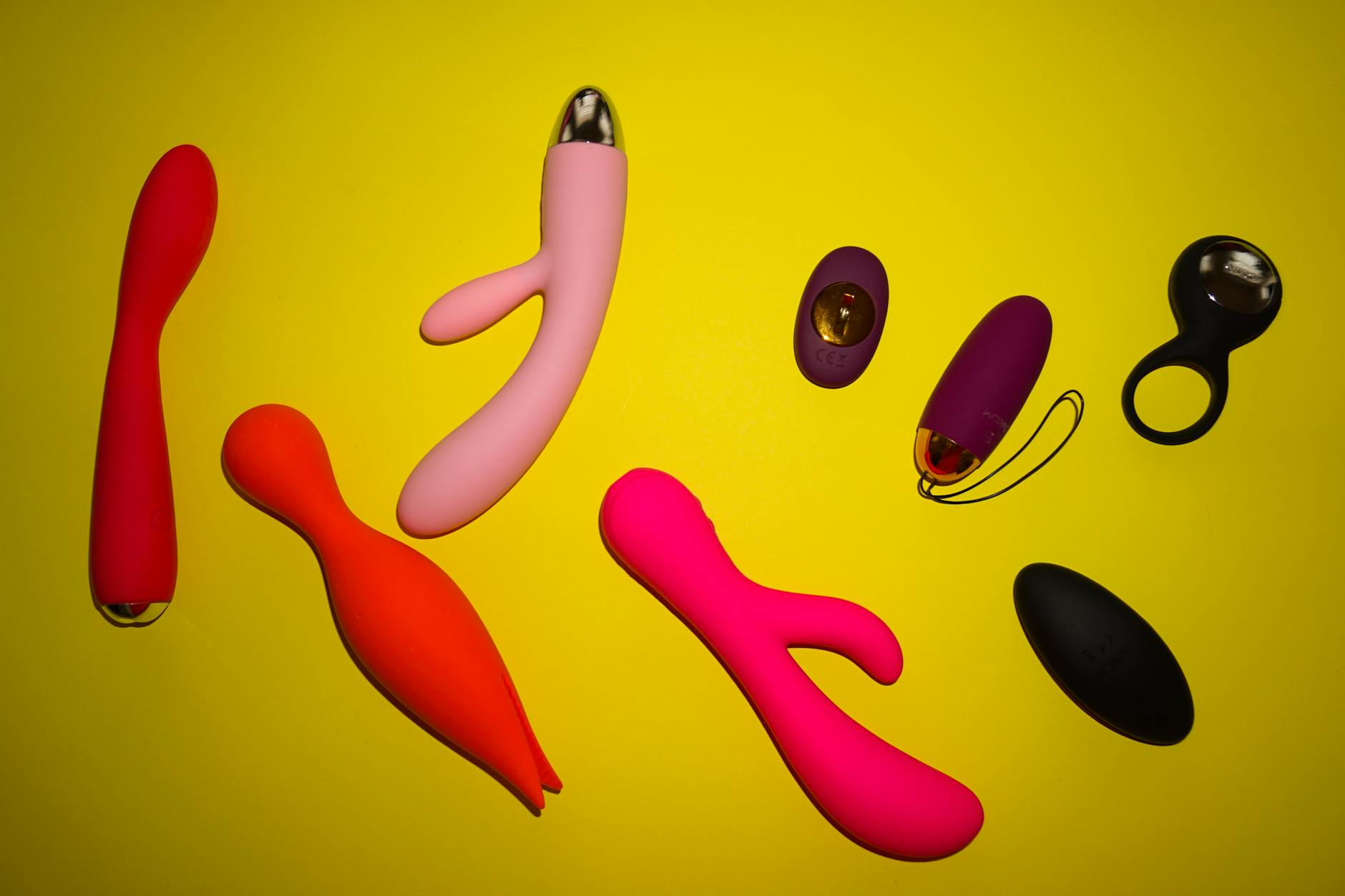
Month one: sensation mapping. Lie down with no goal except noticing. Touch your skin without expectation of arousal. Use a lemon clitoral vibrator on the lowest setting, just to reintroduce sensation. You're not trying to orgasm. You're trying to feel. If nothing happens, that's fine. If it feels strange or wrong, that's also fine. The point is presence, not performance.
Month two: pattern exploration. Most lemon sexual toys, including lemon vibrators, have multiple patterns. Now that low sensation is familiar, try different patterns and rhythms. Spend 5-10 minutes on each. You're learning what your body responds to now, which might be different than what it liked before grief.
Month three onward: rebuilding desire. Once sensation is back online, arousal usually follows. This is when you might start exploring longer sessions, different positions (if partnered), or more intense patterns. Move at your own pace.
Why lemon adult toys work specifically for grief recovery
Most vibrators demand intensity right away. The Lem and other lemon clitoral vibrators from Lemon Nancy Shop are built differently. They use suction and pulse patterns that can start almost imperceptibly gentle. You're not forced into heavy stimulation before your nervous system is ready.
That gentleness matters when you're rebuilding. It lets you stay present without pressure.
Also practical: lemon sucker-style toys don't require you to manage complex rhythms or think about angles. You can let your mind stay with the sensation instead of managing mechanics.
If you're partnered, this needs its own conversation
If your partner is the person you've lost, reconnecting with pleasure is part of a much larger grief process that probably involves therapy. Give yourself real time and professional support.
If your partner is still present, they might be waiting for sex to restart. They might also be grieving and unsure. Have that conversation explicitly. "I'm starting to feel ready to explore pleasure again" is different from "I'm ready to have partnered sex." The first one can happen solo with a lemon vibrator. The second one is separate and needs negotiation.
If your partner feels hurt or rejected during your grief, that's real and worth addressing. But your timeline for pleasure recovery shouldn't be rushed because they're impatient. You're not punishing them. You're healing.
The unexpected piece: sometimes grief actually deepens pleasure
I've worked with people who found that reconnecting with pleasure after loss actually felt more meaningful than it had before. There's no more taking sensation for granted. You've experienced what it feels like when pleasure disappears. When it comes back, you notice it.
For some people, pleasure becomes a way to honor the person they've lost. Not by performing or forcing it, but by allowing themselves to feel fully alive again. That's not betrayal. That's continuation.
Red flags that signal you might need more support
If six months have passed and pleasure still feels completely absent or actively distressing, talk to a therapist who specializes in grief. Some grief responses benefit from medication. Some need more intensive processing than self-care alone can offer.
If touching your own body triggers panic or severe dissociation, you need professional support. That's not a timeline issue. That's a signal that you need different tools.
If you're using lemon vibrators to numb pain rather than to reconnect with your body, check in with yourself. Pleasure used as avoidance can slow your healing rather than support it.
How to give yourself permission
Your body surviving grief doesn't mean you're over it. Your body wanting pleasure again doesn't mean you didn't love the person you lost. These things coexist.
You're not betraying anyone by reconnecting with yourself. You're honoring the fact that you're still here, still alive, still deserving of physical sensation and pleasure.
Take the time you need. Use tools like lemon vibrators to reconnect gently. And if you find yourself stuck or struggling, reach out for support. Grief plus pleasure reconnection is a lot to navigate alone.
People Also Ask
How long does it typically take to feel pleasure returning after grief?
There's no standard timeline. Most people start noticing sensation returning within three to six months, but some take a year or longer. It depends on the depth of your loss, your support system, and your baseline stress level. Don't compare your timeline to anyone else's. Your nervous system recovers at its own pace.
Is it normal to feel guilty about wanting pleasure while grieving?
Completely normal. Guilt is one of the most common emotions alongside grief. It doesn't mean you're doing anything wrong. It means you're processing loss while your body is healing. That discomfort is part of the grief journey, not a sign to stop reconnecting with pleasure.
Can I use lemon vibrators while I'm still actively grieving, or should I wait?
You can use them whenever you feel ready. There's no rule that says you have to wait until grief is "done." Some people find that gentle sensation helps them feel present in their body while grieving. Others need more time. Listen to what your nervous system actually needs, not what you think you should need.
If I'm partnered, does reconnecting with pleasure solo count as infidelity?
No. Solo pleasure is not infidelity. It's self-care and healing. That said, if your partner has expectations about your sexual timeline or feels hurt by your grief-related disconnection, those feelings are valid too. You can hold both: your right to heal at your own pace, and their right to their own feelings about the situation. Conversation matters more than speed.
What if pleasure still feels numb or distant after months of trying?
Talk to a therapist. Prolonged numbness can be a sign of depression, dissociation, or complicated grief. Those are treatable, but they usually need professional support. A grief-informed therapist or somatic therapist can help you understand what your body is telling you and give you better tools than solo pleasure exploration.
Can grief-related pleasure loss be permanent?
Rarely. In the vast majority of cases, pleasure returns as grief integrates. But the relationship you have with pleasure after loss is often different than before. That's not damage. That's growth. You've been through something. Your body and brain have changed. Reconnecting with pleasure means meeting your new self where they actually are, not trying to restore exactly what existed before.