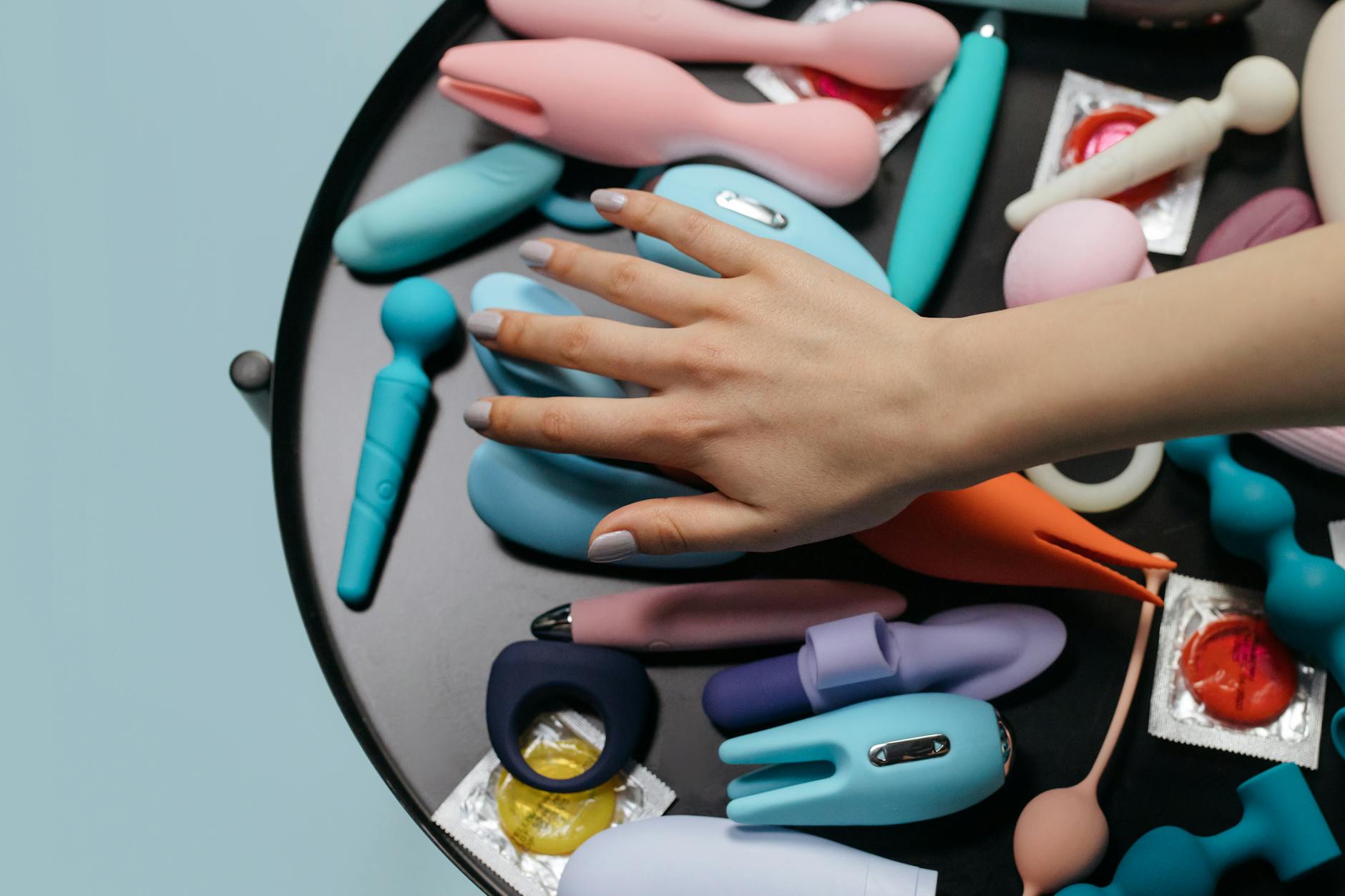
Let's talk about what happens to desire when your body's been through it
Illness is exhausting on every level. Your immune system floods your brain with inflammatory markers, your energy gets redirected inward, and your nervous system goes into conservation mode. Sex is one of the first things to disappear from the priority list, and that makes perfect biological sense. But here's what's confusing: even after you're medically cleared, even when the acute symptoms fade, arousal sometimes stays offline. That's not laziness or lost interest. That's your nervous system still running a recovery protocol.
The good news is that pleasure comes back. It just needs a different approach than it needed before.
Why illness specifically derails arousal differently than stress
When you're stressed or busy, arousal is usually still available. It's just competing for attention. Illness is different. Viral infections, bacterial infections, chronic fatigue, cancer treatment, surgery recovery, long COVID. These things damage the delicate signaling system between your brain, your nervous system, and your genitals. Inflammation itself is anti-arousal. Your body is telling your brain: conserve energy, don't spend it on pleasure.
Then you get medically cleared. But your nervous system doesn't immediately reboot. Many people describe this as a muted version of themselves. Sensation feels distant. Even touching yourself feels like you're touching someone else. This is real, and it's temporary, but it can last weeks or months.
The lemon clitoral vibrator works unusually well during this phase because suction-based stimulation bypasses some of the nervous system hesitation. Unlike traditional vibration, which requires your body to translate vibration into pleasure signals, suction triggers a more direct neurological response. It's like using a shortcut while your system reboots.
The nervous system reset happens in layers
Think of recovery in three stages, each requiring different tool settings.
Stage One: Everything feels muted (weeks 1-4 post-clearance). Touch doesn't register. Your clitoral tissue might feel numb or hypersensitive. This is when you use a lemon vibrator on its lowest settings and accept that pleasure might feel clinical rather than ecstatic. You're not aiming for orgasm here. You're teaching your nervous system that touch is safe again.
Stage Two: Sensation returns but feels fragile (weeks 4-8). You notice touch again, but arousal gets interrupted by physical tiredness or mental fog. This is when you can try medium settings and slightly longer sessions. Consistency matters more than intensity at this stage.
Stage Three: Baseline pleasure returns (weeks 8+). Your body's responsiveness approximates pre-illness levels. You're ready for variable intensity, exploration, and the kind of self-pleasure that actually feels like pleasure rather than self-care.
Most people rush through these stages. Your body is telling you it's recovered because you can leave the house without exhaustion. But sexual recovery lags behind general recovery by weeks. That's normal.
Practical settings and timing for post-illness use
If you're using a lemon vibrator for the first time during recovery, start conservatively.
Session length. Aim for 10-15 minutes maximum in stage one. Your nervous system is still tired. Even if arousal doesn't happen, you've signaled to your body that pleasure is part of the recovery plan. That's the win.
Intensity. Begin at the lowest setting. The lemon vibrator's suction technology means that even level one creates significant sensation. Many recovering people find that they never need to move past level two or three. There's no achievement medal for using higher settings.
Frequency. Every other day is better than daily during stage one. Your nervous system needs recovery time too. By stage two, daily use is fine if you want it.
Environment. This matters more than you'd think. Illness often triggers hypervigilance. Your nervous system is waiting for pain to return. A quiet room, low pressure about outcomes, and the ability to stop without explaining yourself to anyone else creates the safety signal your system needs to reopen.
When lubrication becomes your best friend (again)
Post-illness bodies often produce less natural lubrication, not because arousal isn't building, but because inflammation has affected the tissues temporarily. This is where many people make the mistake of thinking pleasure isn't coming back. It usually is. You just need water-based lubricant in the meantime.
Lube isn't failure. It's a recovery tool. Use it generously. The clitoral vibrator glides more effectively with it, and gliding reduces any irritation that sensitive post-illness tissue might experience.
The emotional layer nobody discusses
Illness interrupts your sense of your own body. You might feel like a stranger in your own skin. You might feel grief about the pleasure you had before. You might feel afraid that it won't come back, or shame that you even want it to while you're supposed to still be focusing on healing.
All of that is real and valid. And all of it can sit alongside the work of actually rebuilding pleasure.
If you have a partner, this is worth discussing separately from the physical act itself. "I'm going to start exploring pleasure again, and it might feel mechanical at first" is different from "Do you want to have sex?" One is about your own recovery. The other invites performance pressure when you're already fragile.
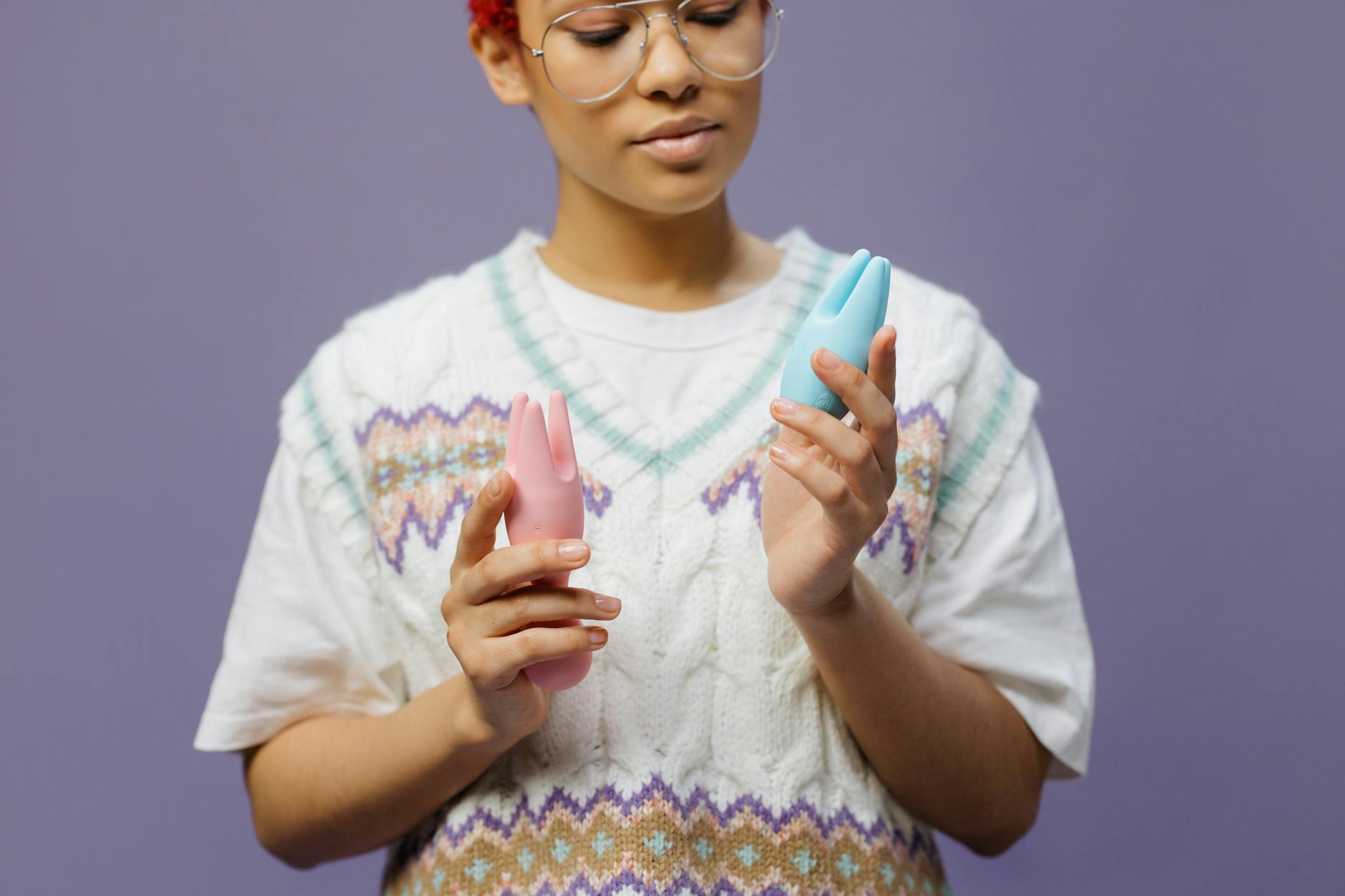
Photo by cottonbro studio on Pexels
How long before pleasure feels normal again
This varies wildly. Viral recovery can take 3-6 weeks for sexual function to normalize. Cancer treatment can take months. Long COVID is unpredictable. Some post-surgical recovery is faster than expected. The rule I give clients is: add 2-4 weeks to your official medical clearance before you expect pleasure to feel like pleasure rather than maintenance.
But here's what's important: you don't have to wait until then to start the process. Small, low-pressure engagements with the lemon vibrator during stage one actually speed up nervous system recovery because you're gradually increasing blood flow to the genital area and sending safety signals to your brain.
When to pause and reassess
If sensation is painful rather than muted, stop and see your doctor. If you're experiencing increased fatigue after sessions, you're pushing too hard. If you feel shame or dread before even picking up the vibrator, you're not ready yet, and that's fine. Healing doesn't have a deadline.
The goal isn't to rush back to your pre-illness sexuality. It's to gently signal to your body that pleasure is part of your recovery, not something you'll get to eventually.
FAQ: Recovery, desire, and rebuilding
How do I know if I'm pushing too hard versus not pushing enough?
If the session leaves you more tired than before, you pushed too hard. If you're consistently stopping because you're anxious rather than because you're done, you might benefit from a therapist's support rather than pushing through. There's a middle ground where the session feels slightly effortful but not exhausting. That's the zone.
Can I use a lemon vibrator if I still have lingering symptoms like brain fog?
Yes. In fact, gentle use might help reduce inflammation slightly and increase blood flow, which can improve brain fog over time. Just accept that you might not remember the session very clearly due to the fog itself. That's not a reason to skip it.
What if my partner wants to be involved in my recovery and I want to do this alone?
Your recovery timeline is yours alone. You can absolutely explore pleasure solo while rebuilding after illness. Your nervous system needs to know it's safe before adding another person's needs to the equation.
Is it normal for orgasms to feel different or weaker after illness?
Completely. Your nervous system is recalibrating. Orgasms might feel less intense, shorter, or require more direct stimulation for the first month or two. This normalizes. You're not broken.
How does antidepressant medication interact with post-illness recovery if I'm also on medication?
If you're managing depression alongside post-illness recovery, both are dampening arousal. Talk to your prescriber about timing. Some people find that using the vibrator at a specific time of day (often morning) helps. Others find that a dosage conversation is worth having. There's no universal rule, but your doctor should know you're trying to rebuild pleasure.
What if recovery truly feels stuck after three months?
See a sexual health specialist or pelvic floor physical therapist. Sometimes post-illness changes require expert attention. This isn't failure. It's knowing when to bring in support.
The real timeline
Your body has been through something. Your nervous system is still processing. The lemon clitoral vibrator, with its gentle suction technology, is designed to work with recovering bodies, not against them. Start small, be patient with yourself, and trust that pleasure comes back. It usually does. It just needs time and the right tools.
If you want to talk through your specific situation or explore other approaches, we're here to help.