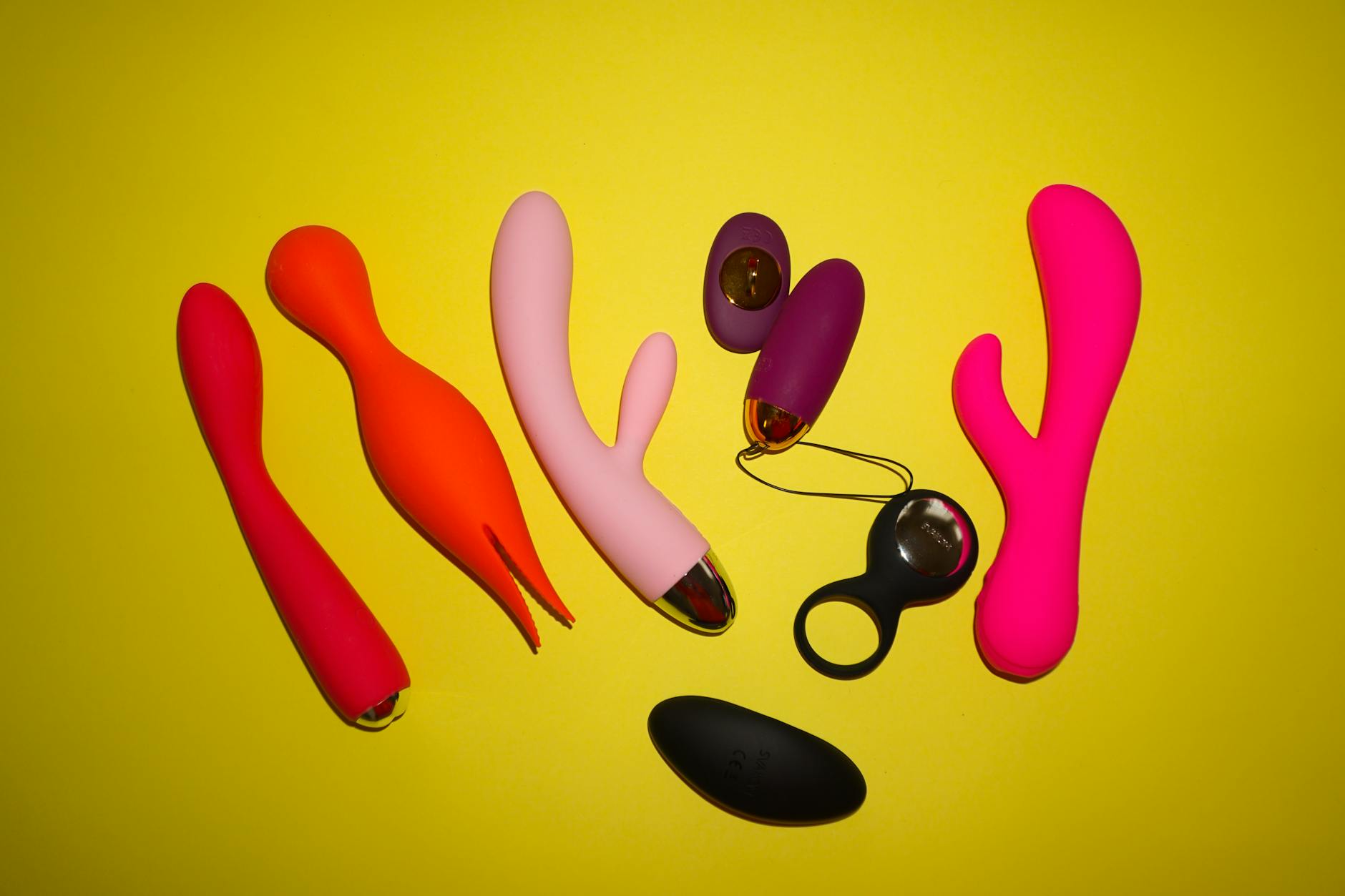
Let's talk about what nobody warns you about
You're in your forties and suddenly the touches that used to light you up feel like they're happening to someone else's body. Not pain, not discomfort. Just... nothing. A kind of sensory fog where there used to be clarity. You start to wonder if this is just what happens now, if your pleasure is supposed to fade like your eyesight did around thirty-seven.
It doesn't have to be that way. And honestly, the numbness you're experiencing right now has more to do with how your nervous system is wired than with actual damage to your capacity for sensation.
What's actually happening when sensation goes quiet
Three things shift in your forties that make touch feel more muffled than it did before:
Skin changes. Collagen production drops. The skin on your vulva gets thinner and loses elasticity, which means direct touch has less "give" to activate the nerves underneath. The receptors are still there. They're just working with less tissue to work through.
Nerve sensitization. Years of the same type of stimulation can dull the nervous system's response. If you've spent two decades with one partner using one rhythm, your nerves have learned that pathway so well they barely register it anymore. Your brain has literally stopped paying attention to signals it knows aren't changing.
Circulatory changes. Blood flow to the genitals slows slightly as we age. Arousal depends on engorgement, which depends on blood reaching the right places fast enough. A slower flush means nerves take longer to activate, and sensation feels more distant.
None of this means your pleasure is broken. It means your body is asking for a different approach.
Why lemon clitoral vibrators work when numbness sets in
Here's the science part that matters: vibration operates on a completely different nervous pathway than static touch. When you use a lemon vibrator, you're not asking tired nerve endings to respond to pressure. You're asking them to respond to oscillation, which is a fresh signal they haven't learned to tune out yet.
Clitoral vibrators like the ones from Lemon Nancy Shop work especially well because suction-based stimulation bypasses the need for skin sensitivity entirely. Suction pulls the clitoral tissue into a chamber where rapid changes in air pressure stimulate the nerves without requiring the skin to transmit anything. It's a completely different conversation with your nervous system.
The lemon design in particular offers something clinical vibrators sometimes miss: a soft, flexible silicone that adapts to the contours of your body rather than forcing your body to adapt to rigid edges. For people in their forties whose tissue is less elastic, that flexibility makes the difference between sensation that feels distant and sensation that feels immediate.
The setup that works when sensation is muted
If you've been numb for a while, retraining your nervous system takes intention. Here's what I recommend:
Start with solo exploration, not partnered sex. When someone else is doing the stimulation, you're managing their pace, their pressure, their rhythm. That's cognitive load. Remove it. Solo sessions give your nervous system permission to focus entirely on sensation without also managing someone else's experience.
Budget fifteen to twenty minutes just for warm-up. This isn't foreplay. This is circulation time. Lie down, breathe slowly, touch your body in non-sexual ways (collarbone, inner wrists, behind your ears) to get your nervous system online. When you've been numb, the reawakening takes time.
Use the lemon vibrator on the lowest setting first. The numbness makes you want to jump to high intensity, but that usually backfires. Start at a frequency so gentle you almost can't feel it, then notice what happens over two minutes. Your brain will start registering the signal. Then you can shift up.
Build in variety. Don't use the same pattern every time. If you use setting two for weeks, your nervous system will stop registering it the same way it stopped registering your partner's touch. Rotate between settings. Change the time of day. Change where you're holding it. Teach your nervous system that this stimulus is unpredictable and worth paying attention to.
When numbness is connected to medication
If you're on antidepressants, mood stabilizers, or blood pressure medication, check the side effect profile. Quite a few common medications genuinely reduce clitoral sensitivity as a side effect. This isn't weakness. It's chemistry.
If you suspect medication, don't stop taking it. Do talk to your prescriber about switching to an alternative if one exists, or timing your solo sessions differently (some medications peak and trough throughout the day, so timing matters). Lemon vibrators work particularly well when numbness is medication-related because they provide enough intensity to bypass the dampening effect without feeling aggressive.
The neurological rewiring that actually happens
When you use a clitoral vibrator consistently over three to four weeks, your nervous system begins building new pathways of sensitivity. It's not that the numbness was permanent. It's that your brain had deprioritized these signals because they seemed redundant. Introducing a novel stimulus rewakes that priority system.
You'll notice it first as a slight increase in what you can feel. Then, maybe a week or two later, you'll feel sensation returning to surrounding areas. This is called sensory integration, and it tends to cascade. Once the clitoral nerve wakes up, it helps activate the broader pelvic network.
Some people report that after rewiring with a lemon vibrator, they regain sensitivity to their partner's touch too. That's not the vibrator doing something magic. That's your brain finally processing signals it had learned to ignore.
What to do when sensation returns
Once numbness starts lifting, you have options. Some people keep the vibrator as their primary source of pleasure. Some use it to warm up before partnered sex. Some find they can return to touch alone.
The key is not going back to whatever pattern made sensation disappear in the first place. If partner touch felt numb before, having your partner follow your lead with the vibrator (or watching you use it solo) can help them understand your body differently. Many of my clients find that this breaks the old scripts and lets them rebuild touch together from scratch.
Your partner might also experience the novelty of the lemon vibrator as genuinely exciting. A shared tool can become a shared language.
When to check in with a doctor
If numbness is accompanied by pain, loss of bladder control, or skin changes, see a gynecologist. If numbness appeared suddenly rather than gradually, get it checked. If you're on new medication and sensation dropped immediately after, call your prescriber.
Most numbness in your forties is just aging and habituation, and both are fixable. But some underlying conditions (nerve damage, early pelvic floor dysfunction, hormonal imbalances) need professional assessment. A quick checkup clears the decks and lets you move forward knowing you're not managing something bigger than what it looks like.
The timeline and realistic expectations
If you commit to using a lemon clitoral vibrator three to five times a week for four weeks, most people report at least partial return of sensation. Full rewiring takes longer, sometimes two to three months. This isn't because something is wrong with you. It's because your nervous system has been optimizing for numbness for a long time, and neuroplasticity takes time to reverse course.
Be patient with the process. Numbness after forty is startlingly common, but it's also one of the most reversible issues in the pleasure department. You have decades of sensation ahead of you if you're willing to teach your body how to feel again.
FAQ: What people actually ask about numbness and vibrators
Will using a lemon vibrator make my partner's touch feel even more numb by comparison?
The opposite usually happens. When your nervous system starts recognizing clitoral sensation again, that heightened awareness extends to all touch, not just vibration. Many people find that rewiring with a vibrator actually makes partner touch feel sharper and more present, not duller. The numbness wasn't competition. It was your system checking out because the signal was stale.
Is it normal that I can only feel sensation at really high intensities now?
Completely. Numbness often creates what feels like a threshold effect. Your nerves might only register stimulation above a certain intensity. This is actually where lemon vibrators shine, because they can deliver consistent, controllable intensity without wearing out your hand or generating heat that feels uncomfortable. Start high, then gradually work down as sensation returns. Your threshold will drop.
Can numbness after forty be reversed if I wait long enough?
Sometimes. Spontaneous recovery happens, especially if the numbness is tied to stress or a temporary medication. But waiting usually doesn't work. The longer your nervous system stays in the "tuned out" mode, the more it optimizes for that state. Active rewiring with something like a lemon clitoral vibrator speeds up the process dramatically.
If sensation is numb, does that mean I won't be able to have an orgasm?
Not necessarily. Numbness is different from anorgasmia. You might feel very little during buildup but still reach orgasm, because orgasm is a neurological event that doesn't require the same sensory clarity as arousal does. That said, using a lemon vibrator usually restores both sensation and ease of orgasm, so you're not choosing between them.
Should I tell my partner about the vibrator, or use it secretly?
That depends on your dynamic and what you're comfortable with. Some people find that solo rewiring works best without explanation. Others find that openness deepens intimacy and helps their partner understand what's happening in their body. If you're in a long-term relationship, transparency usually serves the relationship better. But there's no wrong answer here. Your pleasure is yours first.
How long should each session be when I'm working on rewiring sensation?
Start with five to ten minutes. You're not trying to orgasm. You're trying to wake up your nervous system. Longer sessions often just fatigue the area without adding benefit. Quality over duration. Many people find that shorter, consistent sessions rebuild sensation faster than long, irregular ones.
Let's be real: numbness in your forties feels like a door closing, but it's usually just a door shifting slightly. The sensation is still in there. It just needs you to remind your nervous system how to listen.