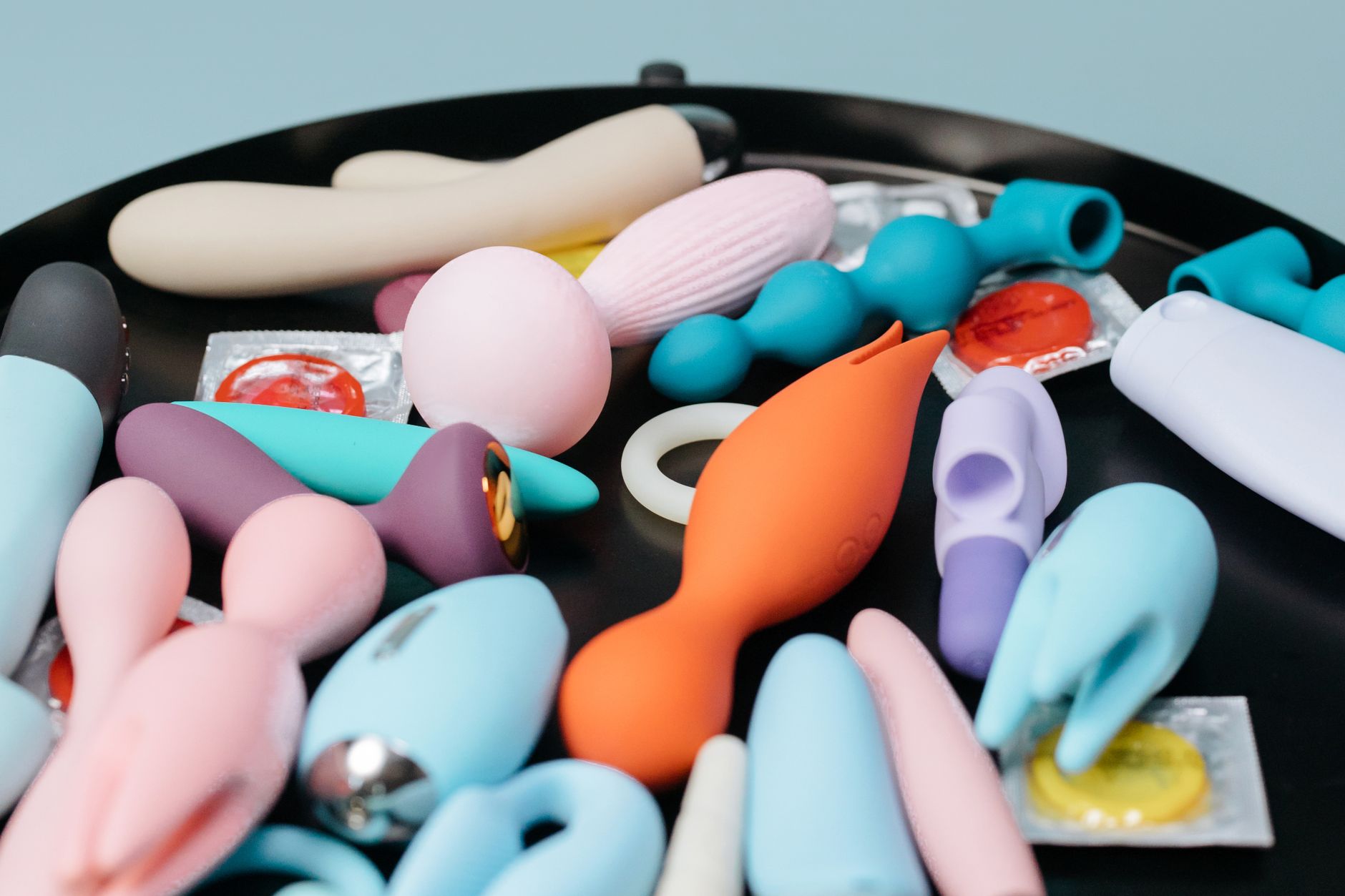
When sensation finally comes back, it feels like meeting a stranger
Hormonal treatments silence your body in specific ways. Testosterone blockers, estrogen shifts from medical transition, radiation, chemotherapy side effects, or endometriosis medication can all flatten arousal, numb sensation, or make pleasure feel completely unreachable. You get used to it. Your nervous system adjusts. And then one day, treatment ends or your medication changes, and suddenly your body starts signaling again.
Except it doesn't feel like "suddenly." It feels disorienting. Maybe scary. Definitely unfamiliar.
I work with clients navigating this moment constantly. The emotional part is real: you've grieved the loss of sensation, made peace with a body that wasn't responding, and now you're being asked to rebuild a relationship with pleasure from scratch. There's no shame in finding that harder than you'd expect.
The physiology of return
When hormone levels normalize or shift, your nervous system essentially reboots. Blood flow patterns change. Tissue sensitivity rewakes. Neural pathways that have been dormant start firing again. But they're not firing the way they did before treatment. Your baseline is different now.
This is important because some people expect their pleasure to return exactly as it was. It won't. That's not failure. That's biology doing what biology does: adapting and evolving.
Your clitoris has the same nerve density it always did. Your capacity for pleasure is intact. But the threshold for sensation, the speed of arousal, and the flavor of what feels good might all taste different. Give your body permission to surprise you.
Starting with the safety conversation
Before you even touch a vibrator, talk to yourself (and your partner if you have one) about what you're hoping for. Not the fantasy version. The honest one.
Are you expecting to pick up where you left off? Are you nervous you'll never feel the same? Are you worried about disappointing a partner? Are you uncertain whether you even want sensation to return? All of those are normal, and all of them are information.
I recommend writing it down. Not for anyone else to see. For you to know what you're actually working toward. The difference between "I want to have orgasms again" and "I want to feel confident in my body again" changes everything about how you'll use a lemon clitoral vibrator or any tool.
The first touch protocol
Resistance often shows up as impatience. You've waited months or years. The urge to dive in is real. I'm going to ask you not to.
Start with touch. Not a vibrator. Your own hand. Dry. Over clothes. Somewhere neutral first. Your forearm. The back of your neck. Somewhere that won't carry expectation. Notice what your nervous system does. Does it feel good? Overwhelming? Numb? Weird? All of those are data. Sit with it for a minute.
Then gradually move to areas with more sensitivity. Your inner wrist. Your ear. Your collarbone. You're essentially asking your body: what does pleasure feel like right now?
This part should take at least a week. Maybe longer. I know that sounds slow. It's not. You're recalibrating an entire sensory system.
Introducing a vibrator slowly
Once you've gotten comfortable with basic touch, a lemon vibrator is a smart next step. Clitoral vibrators work particularly well for bodies that are reawakening because they deliver consistent, focused stimulation without requiring you to think about rhythm or technique.
Start with the vibrator on its lowest setting. Not on your genitals yet. On your arm. Your thigh. The inside of your wrist. Feel the vibration. Is it pleasant? Intrusive? Too much? Too little? Again, you're gathering information.
When you do move to genital touch, use the lowest setting and start on the outside. Outer labia. Mons pubis. Not the clitoris itself. Your sensitivity will return faster if you build toward intensity rather than diving straight to direct stimulation.
What you might feel (and what it means)
Your body might respond in ways that surprise you. You might feel arousal suddenly, which can be startling after months of numbness. You might feel nothing at first, and then sensation creeping back slowly over days. You might experience a mix: deep pleasure in some areas, numbness in others. You might orgasm right away, or it might take weeks.
None of these outcomes mean anything about your recovery. They're just your individual nervous system talking.
Some people report that sensation feels almost too intense at first. The vibration might feel sharp rather than pleasurable. Your clitoris might be tender. This usually settles within a few sessions as your tissue acclimates. If pain persists, that's worth mentioning to your doctor.
Others report that sensation feels muted or delayed no matter what. Patience is your actual tool here. Arousal pathways rebuild on their own timeline. A lemon sucker like the Lem works well in these cases because the air-suction technology stimulates nerves in a gentler way than other vibrators, giving your body time to respond.
The emotional whiplash is real
Pleasure coming back is great. It's also complicated. You might feel grief for the time you lost. You might feel angry that your body had to go through treatment. You might feel guilty for wanting sensation back, as though pleasure is frivolous compared to health.
It's not. Pleasure is part of health. Your sexuality is part of your whole self. Reclaiming that doesn't minimize what you survived. It acknowledges that you're moving forward.
If you have a partner, they might have their own emotions about this transition. Don't assume they're just happy you're "back." Check in. Ask what they're feeling. Create space for the complexity.
When to involve your partner
You don't have to. Solo exploration is actually how I usually recommend starting. You get to learn your body's new language without audience, without pressure, without anyone else's expectations in the room.
When you do decide to include a partner, start by telling them what you've learned. "This feels good now." "I still can't feel much here." "I need slow." You're the expert on your own body. They're there to listen and follow your lead.
Physical touch from a partner can reintroduce a sense of being wanted, which carries its own kind of pleasure. But it shouldn't replace your solo exploration. Keep doing both.
Timeline expectations
Here's what I tell clients: assume three months minimum for sensation to stabilize. That's not a deadline. That's a ballpark. Some people feel reconnected faster. Others need longer. Hormonal systems are slow. Your nervous system is patient but thorough.
Notice I didn't say "three months to feel how you used to." Because you might not. You might feel better. You might feel different but equally good. You might feel a mix of the two.
The goal isn't recovery. It's discovery. Who are you now, in a body that's moving past treatment?
When to check in with your doctor
If pain develops during or after vibrator use, mention it. If sensation doesn't return after six months and you're concerned, that's worth a conversation. If you're experiencing emotional distress about your changing body, therapy that specializes in medical trauma or relationship changes can be invaluable.
Your pleasure is worth caring for. So is your peace of mind.
FAQ: Sensation, vibrators, and coming back online
Can sensation come back fully, or will I always feel a difference?
Some people return to exactly how they felt before treatment. Others feel permanently different. Both are common. The key is that different doesn't mean broken. Many clients describe post-treatment sensation as richer or more intentional because they're not on autopilot anymore.
Is it normal to feel overwhelmed when sensation returns?
Completely. You've been numb. Your nervous system adapted to that. Reawakening can feel like sensory overload at first. That settles down as you reacclimatize. If it doesn't, or if it triggers anxiety, talking to a trauma-informed therapist can help.
Should I use a lemon vibrator or try something else first?
Clitoral vibrators are a solid choice because they're predictable and focused. A lemon clitoral vibrator specifically works well for bodies rebuilding sensation because you can start at the lowest intensity and work up at your pace. There's no wrong choice if it feels good to you.
What if my partner wants sexual activity before I feel ready?
That's a conversation to have directly. "I'm still rebuilding sensation. I need more time." A partner who respects your timeline shows you something important. If they don't, that's information too.
Can antidepressants or other medications delay sensation coming back?
Yes. If you're on medications that flatten arousal, talk to your prescriber about timing or dosage. Sometimes a small adjustment helps. Sometimes the medication is worth the trade-off. That's your call to make with medical support.
Is it okay to use a vibrator every day while I'm rebuilding?
Yes, as long as it feels good. Your body isn't going to "wear out" from vibration. Some people find daily solo play helps sensation return faster because you're regularly stimulating those pathways. Others prefer a few times a week. Follow what feels right.
Coming back is a journey, not a switch
Your body went through something significant. Hormonal treatment changes you at the cellular level. Pleasure doesn't flip back on like a light switch. It creeps back in, sometimes gradually, sometimes in fits and starts.
Be patient with yourself. Use tools like a lemon vibrator that let you control intensity and pacing. Check in with your partner if you have one. Notice what's different and what might actually be better.
You're not recovering what you had. You're building what comes next. That's harder work, but it's also more honest. Your body deserves that attention.