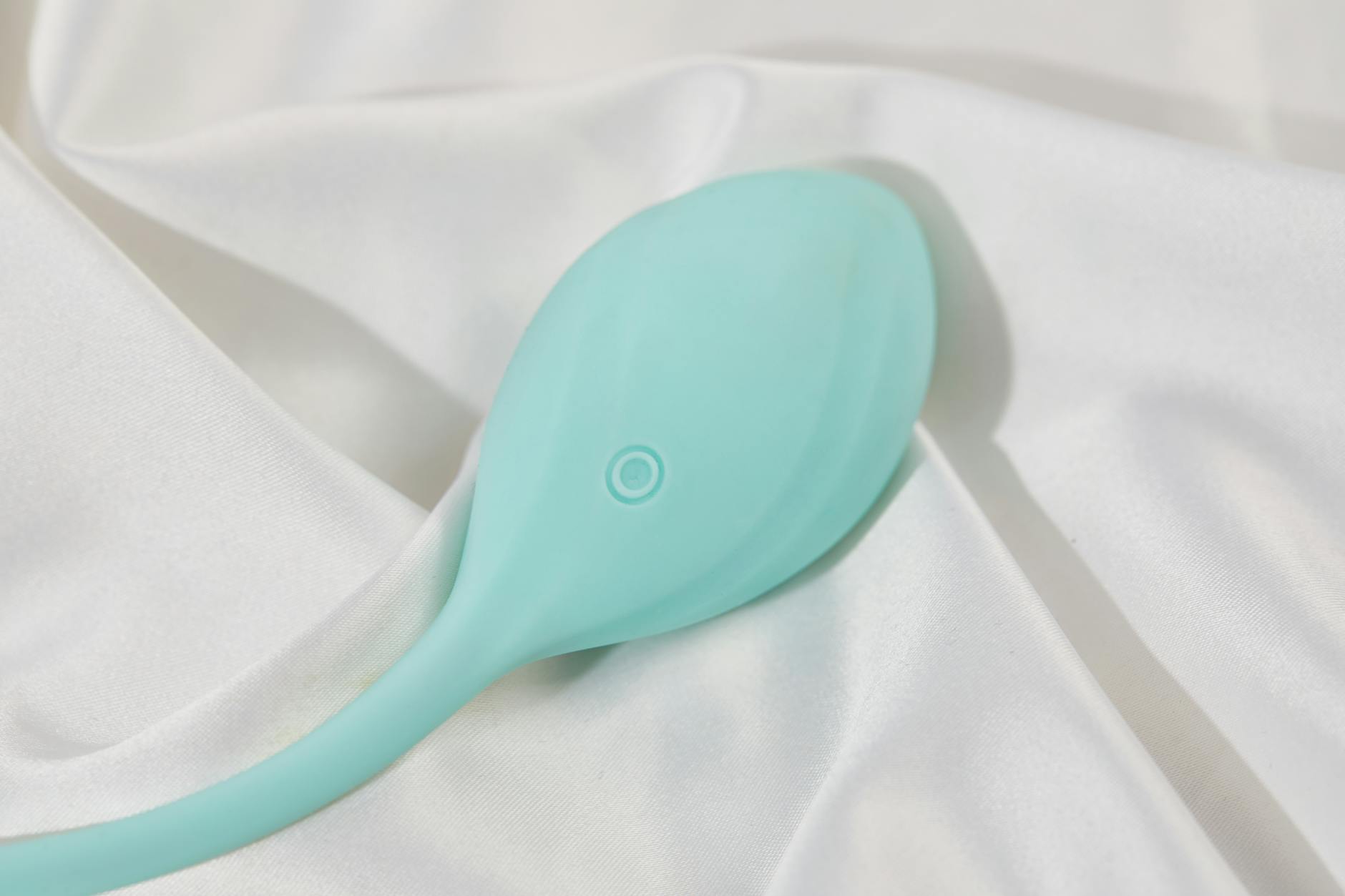
Let's start with what you're experiencing
You bought a lemon vibrator. You heard all the hype. You got it home, turned it on, and thought... wait, that's it? If you've been using traditional vibrators for a while, the first time you try a lemon clitoral vibrator, it can feel shockingly gentle. Even weak. That's not a defect in the toy or a sign your nervous system is broken. It's actually proof that your body is doing exactly what it should: adapting.
How your nervous system learns pleasure
Your nervous system doesn't just receive sensation. It learns. Every time you use a toy, your body collects data about intensity, rhythm, texture, and duration. After months or years of high-frequency vibration, your sensory neurons become calibrated to that specific type of input. You're not desensitized yet, but you are sensitized to vibration in a particular way.
When you switch to suction (which is what a lemon vibrator delivers), you're asking your nervous system to respond to a completely different stimulus. Suction doesn't vibrate. It doesn't buzz. It creates a gentle pull and release pattern that activates different nerve fibers in the clitoris. Your brain recognizes it as stimulation, but it's not the stimulation pattern your body learned to expect. So the first time feels underwhelming.
This is similar to taste adaptation. If you eat spicy food every day, mild salsa tastes bland, not because it's actually weak but because your taste buds have recalibrated to the heat. Switch to mild for two weeks and that same salsa explodes with flavor. The salsa didn't change. Your sensitivity did.
Why vibration and suction are neurologically different
Traditional vibrators work through rapid side-to-side or up-and-down movement. That movement travels through the tissue and creates a buzzing sensation. It's direct mechanical stimulation. Fast. Repetitive. Your nervous system reads it as high-intensity input.
A lemon vibrator, like other suction toys, works differently. Instead of mechanical vibration, it creates rhythmic suction and release cycles. This activates the nerve endings through pressure changes rather than through vibration. The sensation is more localized, more sustained, and often feels quieter and subtler at first encounter.
The clitoris has around 8,000 nerve endings concentrated in a small area. Different nerve types respond to different stimulus patterns. Some respond better to vibration. Others respond better to suction. If you've been training your clitoris exclusively on vibration, the suction nerves are technically there, but they're not as practiced at generating a pleasure response.
That changes. Given time and repetition, they wake up.
What's actually happening in your first week
Here's the honest part: the lemon vibrator is likely delivering the same intensity it was designed to deliver. You're the variable that's changed. For the first 3-7 days of switching from traditional vibration, you'll probably notice the suction feels gentler, quieter, or less effective. This doesn't mean you should go back to your old toy.
What's happening is your nervous system is still sending signals that say "This is not the stimulation I'm expecting." Your brain wants the familiar buzz. Your clitoris wants the familiar pattern. When neither arrives, the sensation can feel muted even though the device is working perfectly.
By day 10-14, something shifts. Your nervous system stops comparing the new input to the old one and starts actually receiving what's there. Suction begins to feel more intense, more satisfying, more nuanced. This is neural recalibration, and it takes time.
How to speed up the transition
If you're switching from a traditional vibrator to a lemon clitoral vibrator, here are the moves that actually help.
Take a break from your old toy first. Give yourself 5-7 days of no vibration at all before starting with the lemon. This resets your baseline. Your nervous system isn't comparing the new sensation to the familiar one because the familiar one isn't fresh in your nervous system anymore.
Start with longer sessions, not higher intensity. Spend 15-20 minutes exploring the suction toy at pattern 1-2, not ramping to pattern 5 immediately. You're teaching your nervous system that this kind of gentle, sustained pressure is also pleasurable. That's a conversation that takes time.
Pay attention to the subtle sensations. Vibration is loud and obvious. Suction is quiet and specific. Notice where you feel it most acutely. Notice the rhythm. Notice when it starts to feel good. You're learning the language of this toy, not expecting it to translate your old toy's vocabulary.
Use it in a relaxed state, not just when you're already aroused. Many people try a new toy only when they're already close to orgasm, then get disappointed it doesn't deliver the same finish as their old favorite. Instead, spend a few sessions just getting to know the sensation from a calm starting point. Let arousal build slowly. You're building new neural pathways, not competing with established ones.
Combine it with your old toy on day 10 if you need to. Once you've given suction 10 days alone, it's totally fine to alternate or combine. This isn't betraying the lemon vibrator. This is being realistic about the transition. Some people find that using the lemon first to warm up, then finishing with their old toy, bridges the gap while their nervous system adapts.
The science of why lemon vibrators often win long-term
Here's what happens once your nervous system recalibrates: many people find that suction toys, including lemon vibrators, create more intense and more varied orgasms than traditional vibration alone. This isn't because they're physically stronger. It's because suction activates different nerve pathways and requires slightly different arousal patterns to use effectively.
Vibration trains your nervous system to respond to one specific input pattern. Once your body knows that pattern, it can feel predictable. Suction, by contrast, requires you to stay present with the sensations because it feels different on each stroke. That presence, that attention, often leads to stronger climaxes and more sustained pleasure.
There's also the tissue consideration. If you've been using high-frequency vibration for years, your clitoral tissue becomes accustomed to that intensity. Suction provides stimulation without the same mechanical pressure, which is why many people find lemon vibrators and other suction toys feel better on sensitive tissue after long-term vibrator use. You're not losing intensity. You're redistributing it across a wider sensory experience.
When to actually be concerned
If after 14 days the lemon vibrator still feels completely ineffective, a few things are worth checking.
First, make sure you're using it correctly. Suction toys require a slight seal between the cup and your skin. If you're holding it too lightly or at the wrong angle, the pressure differential won't build and the sensation will be almost nothing. Adjust your angle slightly and make sure the cup is making full contact.
Second, check your baseline arousal. Suction toys generally require a slightly higher baseline level of arousal than vibration to feel good. If you're testing it from a cold start, add 5-10 minutes of manual stimulation or other foreplay first.
Third, consider whether traditional vibration might have created temporary tissue desensitization. If you've been using high-intensity vibrators daily for years, your tissues might need actual recovery time, not just a new toy. Read more about how to recover sensation after using vibrators too much for concrete steps.
The pleasure transition is temporary
The weird flatness you feel when you first switch to a lemon vibrator is a feature, not a bug. It means your nervous system is learning, adapting, and building new pleasure pathways. That's not weakness. That's growth.
Most people who push through the first 2-3 weeks of adjustment find that suction toys, including lemon clitoral vibrators, become their preferred option. Not because they're inherently better, but because they've stopped comparing them to the familiar and started experiencing them on their own terms.
Give the toy time. Give your nervous system time. The intensity will return, and it usually returns as something richer than what you left behind.
People also ask
How long does it take to get used to a lemon vibrator after using traditional vibrators?
Most people notice a significant shift in how a lemon vibrator feels between days 5 and 14. By day 21, most users report that suction no longer feels weak or strange. That said, true neural recalibration takes longer. Many people find that after 4-6 weeks of regular use, the lemon vibrator becomes their primary device. Everyone's nervous system moves at its own pace, so don't treat these timelines as rules.
Can I damage my clitoris by switching between vibration and suction?
No. Switching between different types of stimulation is safe. Your nervous system is designed to adapt to different inputs. If anything, varying your stimulation types helps prevent the kind of sustained desensitization that can come from using exactly one device for years without a break.
Why do lemon vibrators feel stronger after a week when nothing physically changed?
Nothing physical changed about the toy, but everything changed about your nervous system's interpretation of the sensation. Your sensory neurons have adjusted their baseline expectations. What felt subtle on day one now registers as satisfying on day eight because your brain is no longer actively comparing it to your old toy. The sensation was always there. Your ability to receive it just improved.
Is it normal for suction toys to feel less intense than high-speed vibrators?
Subjectively, yes. Suction and vibration activate different nerve types, and many people do find that vibration feels sharper and more immediately intense. But intensity isn't everything. Suction often creates broader, longer-lasting, and more varied sensations than pure vibration. What feels subtle at first can feel more satisfying after adaptation.
Should I go back to my old vibrator if the lemon vibrator doesn't feel strong enough?
Not immediately. Give the lemon vibrator at least 10 days of dedicated use before deciding. If you keep bouncing back to your old toy, you're resetting your nervous system's adaptation clock. Think of it like learning an instrument. If you practice for a week then go back to your old hobby, you won't improve. Stick with it long enough for your brain to actually learn the new stimulus pattern.
Can I use both a lemon vibrator and a traditional vibrator together?
Absolutely. Many people use a lemon vibrator first during arousal buildup, then switch to vibration for finishing. Or they alternate. This is a totally valid approach while your nervous system is adjusting. Just make sure you're giving suction enough solo time to develop sensitivity to it, not just using it as a warm-up tool indefinitely.