
Here's the thing about desensitization
You're not broken. Your pleasure response isn't dead. What's happened is that your body has adapted to the stimulus you've been using, which is exactly what bodies do. It's called neural adaptation, and it's the same mechanism that makes your favorite song feel less thrilling after hearing it 500 times.
When you've been using the same toy at the same intensity for months or years, your nerve endings stop firing as enthusiastically. This doesn't mean you've lost capacity for orgasm. It means your nervous system has decided this particular input isn't novel enough to warrant peak response. The wires still work. They're just used to the signal.
That's where lemon vibrators change the game. I've watched this pattern repeat with hundreds of clients: they switch from traditional vibration to suction-based stimulation and suddenly the intensity returns. Not because they're inherently better (they're not), but because they work differently enough to wake up your pleasure response.
What suction does that vibration doesn't
Vibrators work through rapid oscillation. A motor shakes side-to-side at 50 to 3,000 cycles per minute. It's effective, consistent, and totally fine. But it's also a very linear stimulus.
Suction works through negative pressure. Imagine breathing in gently while someone's mouth covers you. That's not vibration. It's a pulling sensation, a pressure differential, a completely different sensory channel. The lemon vibrator creates a seal and then rhythmically draws and releases, which engages different nerve fibers than vibration does.
Think of it like this: if your nervous system has been living on coffee for three years, adding an espresso shot doesn't work anymore. But switching to cold water with a burst of lemon wakes you up because it's a different input entirely. Your body hasn't adapted to suction the way it's adapted to vibration.
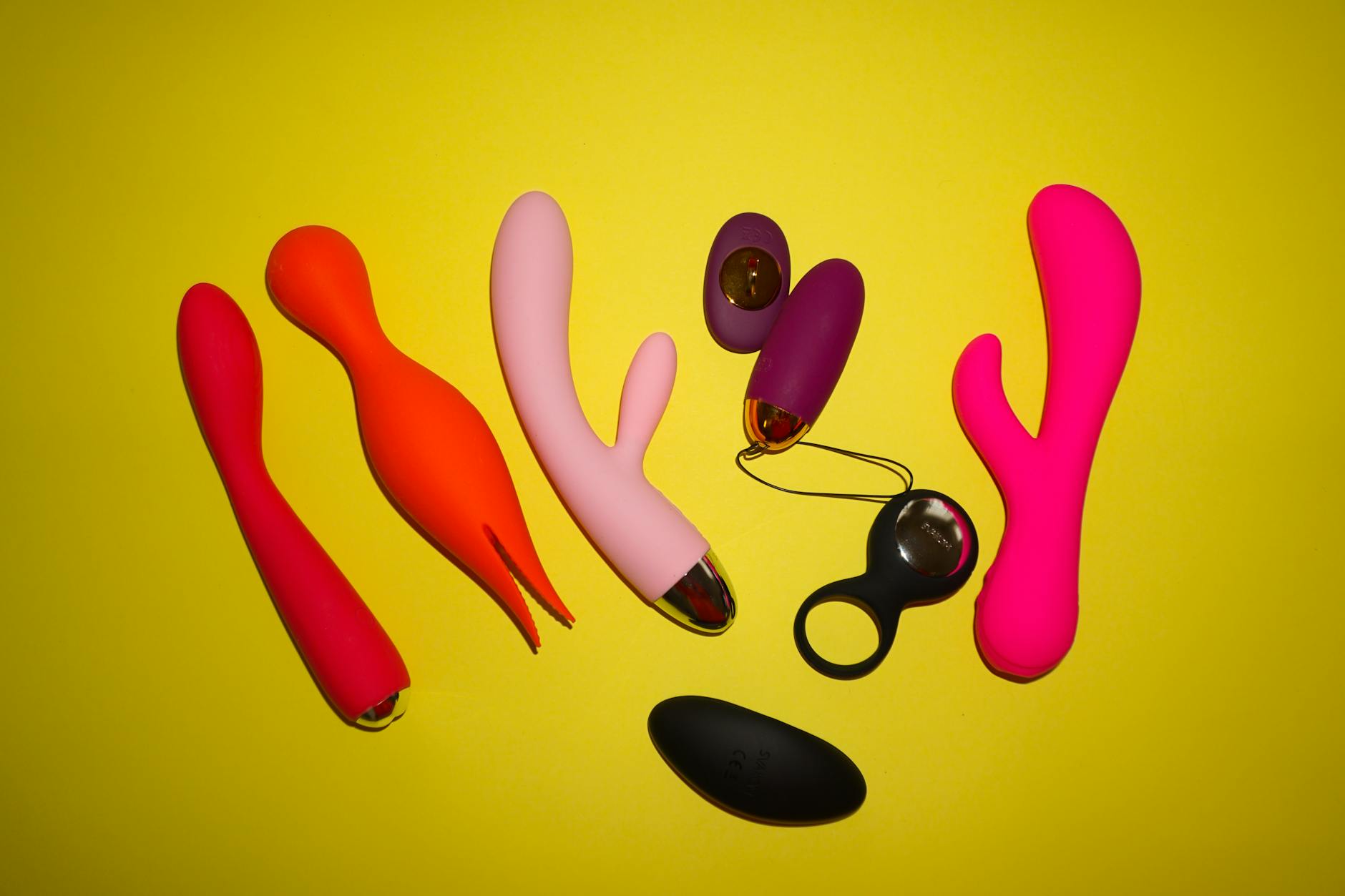
Photo by FounderTips on Pexels
Why the switch feels like rediscovering sensation
When you move from conventional vibrators to a lemon clitoral vibrator after long-term use of other toys, three things happen simultaneously.
First, you're introducing a stimulus your nervous system hasn't fully adapted to yet. Your nerve endings light up because this is novel. Second, suction engages the clitoral bulbs—the erectile tissue that extends several inches into your body—in a way that vibration doesn't. You're not just stimulating the surface. You're pulling blood in and creating pressure changes deep in the tissue. It feels bigger, more encompassing.
Third, and this matters more than people realize, the sensation is less reliant on direct mechanical friction. If you've been experiencing soreness, numbness, or irritation from years of the same vibrator, suction is gentler on sensitive tissue while being more intense in sensation. It's counterintuitive. Suction feels stronger but doesn't require the same grinding pressure as vibration.
Most of my clients report that their first few weeks with a lemon vibrator feel like waking up. They haven't lost their capacity for pleasure. They've just given their nervous system a chance to reset.
The desensitization timeline and recovery
Desensitization isn't immediate and it's not linear. It usually takes three to six months of regular use before you notice that achieving orgasm takes longer or feels less intense. You might also notice that you need to increase the intensity level or use the toy for longer sessions.
Here's the recovery part: switching toys doesn't mean instant sensation return. You won't use a lemon vibrator once and feel brand new. Instead, you'll notice a gradual shift over two to four weeks. The first session might feel noticeably different. By week three or four, you're experiencing consistent, stronger responses.
If you've been using vibrators at the highest setting for extended time, your recovery might take closer to six weeks. You're not just introducing a new stimulus. You're retraining your nervous system to respond to lower, more nuanced intensities. This is actually the advantage. You end up with more sensitivity overall, which means pleasure becomes more accessible, not less.
Cycling toys isn't about cheating—it's about neural health
I recommend to clients that they think about their pleasure toolkit the way they think about exercise. If you run every day, your body adapts and running becomes less challenging. That doesn't mean you've lost fitness. It means you need to introduce variation. Cycling between different stimulus types keeps your nervous system engaged and responsive.
With clitoral stimulation, rotation works beautifully. Use a lemon vibrator for two weeks, then switch to a different toy for a week or two, then rotate back. This prevents the deep neural adaptation that comes from repetitive stimulus. It also means each toy continues to feel fresh and exciting rather than obligatory.
Many people think desensitization means they're addicted to their toy or their body is broken. Neither is true. You've simply adapted to a specific input the way all nervous systems do. Cycling toys—and specifically, switching to suction-based lemon vibrators after vibration-only toys—is how you keep pleasure novel and intense.
What to expect in your first week with a new toy
When you switch to a lemon vibrator from traditional vibration, manage your expectations generously. Your first session might feel surprisingly different. The suction sensation is unfamiliar, and that unfamiliarity is actually the point.
Start on the lower intensity settings. If you've been using vibrators on setting five out of seven, start your lemon vibrator on setting one or two. This feels counterintuitive—you want to jump to high intensity because you're excited—but you're retraining your response. Lower intensity on a fresh stimulus is often stronger than high intensity on something you've adapted to.
You might also notice that your orgasm feels different. Suction-based orgasms often feel more localized, more concentrated. Some people describe them as deeper or more internal. That's not better or worse. It's different. Give yourself permission to adjust to the sensation before deciding if it works for you.
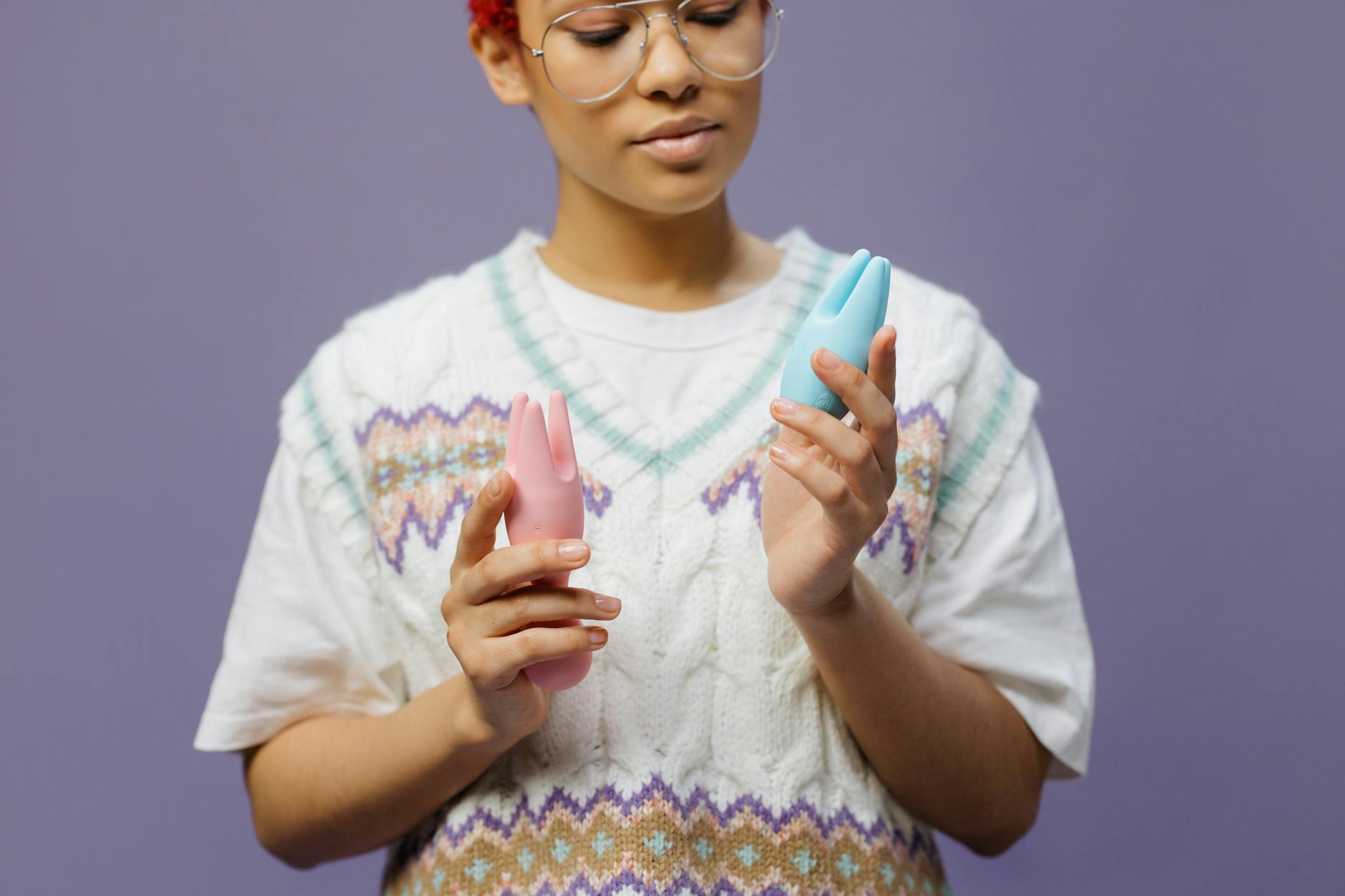
Photo by cottonbro studio on Pexels
The role of mental arousal during the transition
Here's something people rarely talk about: the sensation change is partly physical and partly psychological. When you're excited about a new toy, when it feels fresh and novel, your brain contributes to the intensity. That's not placebo. That's how arousal works.
Mental engagement matters. If you switch to a lemon vibrator purely because you're bored with your old toy, you might miss how transformative it can be. But if you switch with curiosity, with actual interest in experiencing a different sensation, your nervous system responds more robustly.
I tell clients to think of the transition as intentional, not desperate. You're not switching because something is broken. You're switching because you understand how the nervous system works and you're being proactive about keeping your pleasure responsive and alive. That mindset shift alone changes the experience.
When to see a professional about sensation loss
If you've switched toys and sensation still isn't returning after four to six weeks, or if you're experiencing pain during stimulation, talk to a doctor. Persistent desensitization can occasionally signal hormonal changes, medication side effects, or vascular issues that deserve professional attention.
Likewise, if sensation loss is paired with overall loss of libido or emotional numbness in other areas of your life, that's worth exploring with a therapist. Sometimes what looks like physical desensitization is actually emotional disconnection. Those are different problems with different solutions, and <a href="/blog/how-to-use-a-lemon-vibrator-with-a-partner-communication-guide">understanding your pleasure within the context of your relationship</a> can matter enormously.
The bigger picture: pleasure as skill, not destiny
Desensitization is uncomfortable to experience, but it's actually evidence that your body is working exactly as it should. Neural adaptation is a feature, not a bug. It's your nervous system being efficient and responsive.
The fact that you can retrain your response—that you can restore intensity and sensation by switching tools—is empowering. It means pleasure isn't fixed. It's not something you either have or don't have at a certain age or after a certain amount of use.
Your pleasure response is a skill you can maintain. <a href="/blog/lemon-vibrators-after-40-why-suction-toys-feel-better-with-age">With age, this becomes even more valuable</a>. The nervous system continues to adapt throughout your life. Knowing how to work with that—how to introduce variation, how to cycle stimuli, how to recognize when you need a different approach—that's the real information.
Switching to a lemon vibrator after years of another toy isn't about admitting you were doing it wrong. It's about understanding how pleasure works and being willing to adapt. That's wisdom, not weakness. And your pleasure absolutely deserves it.
Frequently asked questions
How long does it take for sensitivity to return after switching vibrators?
Most people notice meaningful improvement within two to four weeks of switching to a new stimulus type, particularly a suction-based tool like a lemon vibrator. If you've been using high-intensity vibration for years, recovery might stretch to six weeks. But you'll likely feel the shift starting after the first few sessions. Consistency matters more than duration.
Can I speed up desensitization recovery by not using toys for a while?
Taking a break can help, but switching toys is often more effective than abstinence. When you stop using toys entirely, your nervous system resets—but so does your habit. Switching to a different stimulus type like suction resets the adaptation while maintaining the ritual and pleasure. You're also not forcing yourself into deprivation, which rarely works long-term. The goal is sustainable pleasure, not punishment.
Is desensitization the same thing as being numb down there?
No. Desensitization to a specific toy is about neural adaptation to repetitive stimulus. Persistent numbness or loss of sensation could indicate nerve damage, hormonal changes, or circulation issues. If you feel generally numb rather than just "my usual vibrator doesn't work as well anymore," that deserves medical attention. <a href="/blog/why-lemon-vibrators-work-better-for-sensitive-tissue">Sensitive tissue requires different approaches</a>, but true numbness is different.
If suction works better after vibration, should I always use suction?
Rotation is better than loyalty to any single tool. Use your lemon vibrator for two to three weeks, then switch to a different sensation—a wand, a bullet, or even partnered stimulation—for a week or two. Then rotate back. This prevents the adaptation that happens with any single stimulus. It also means you develop sensitivity to multiple sensations, which makes you more responsive overall.
Do I need to buy expensive toys to reset my sensitivity?
No. The mechanism here is novelty and different stimulus, not price. That said, quality matters for comfort and durability. A well-made lemon vibrator from Hello Nancy functions differently than a standard vibrator because of how suction is designed. You don't need the most expensive option, but you do need something that actually delivers the sensation you're seeking. Cheap suction toys often fail to create proper suction.
What if I switch toys and nothing changes?
Then you might be dealing with something other than desensitization. Hormonal shifts, medications (especially antidepressants), relationship stress, or just being in a season of lower libido all affect sensation and arousal. <a href="/blog/how-to-use-a-lemon-vibrator-for-maximum-pleasure-and-comfort">Technique and setting matter too</a>. If sensation doesn't return after consistent use of a new toy over four to six weeks, talk to a doctor or a therapist who specializes in sexual health.