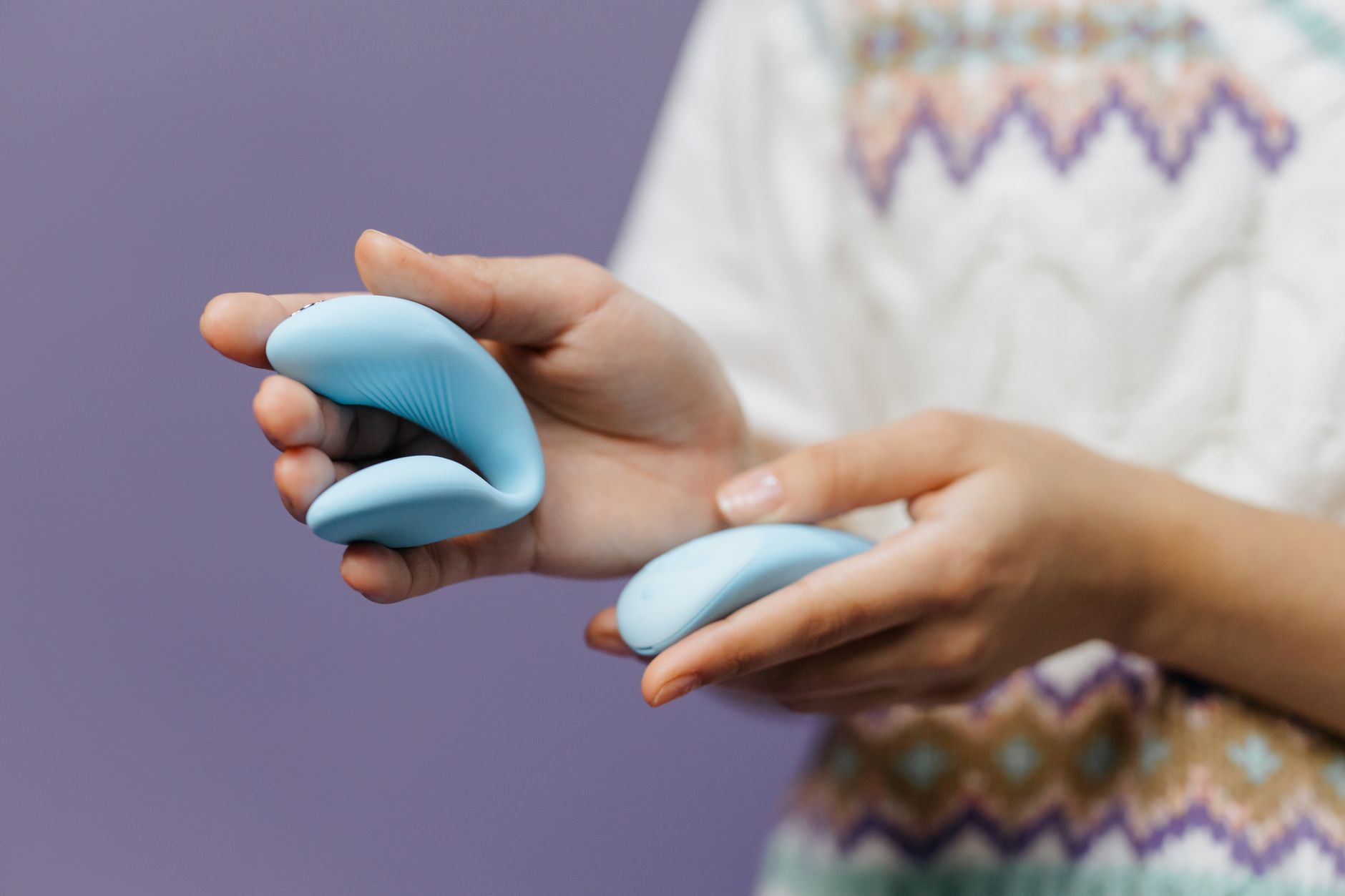
Here's the thing about anxiety and sex
Anxiety doesn't just make you feel worried. It literally hijacks your nervous system and tells your body that right now is not the time for pleasure. Your brain triggers the fight-or-flight response. Blood flow redirects to your muscles. The parasympathetic nervous system, the one that makes arousal possible, gets shut down. And suddenly you're in bed thinking about your to-do list instead of actually feeling anything.
This is not a character flaw. It's not a sign your relationship is broken. It's just how your nervous system works under stress.
The good news: lemon clitoral vibrators are one of the fastest ways to override that block because they work with your nervous system instead of against it.
Why anxiety kills arousal in the first place
When you're anxious, your body is in protective mode. The amygdala, the part of your brain that processes fear, is working overtime. Meanwhile, the prefrontal cortex, which handles rational thought and pleasure anticipation, gets quieter. Add in elevated cortisol from chronic stress, and your sex hormones (testosterone, estrogen, dopamine) start to drop.
But here's the weird part: the physical capacity for pleasure is still there. Your clitoris has 8,000 nerve endings. Your orgasmic response is intact. What's missing is permission from your nervous system to access it.
Anxiety tells you: "You should be doing something else." "What if you can't finish?" "What if your partner thinks..." The loop builds. Pressure builds. And arousal dies.
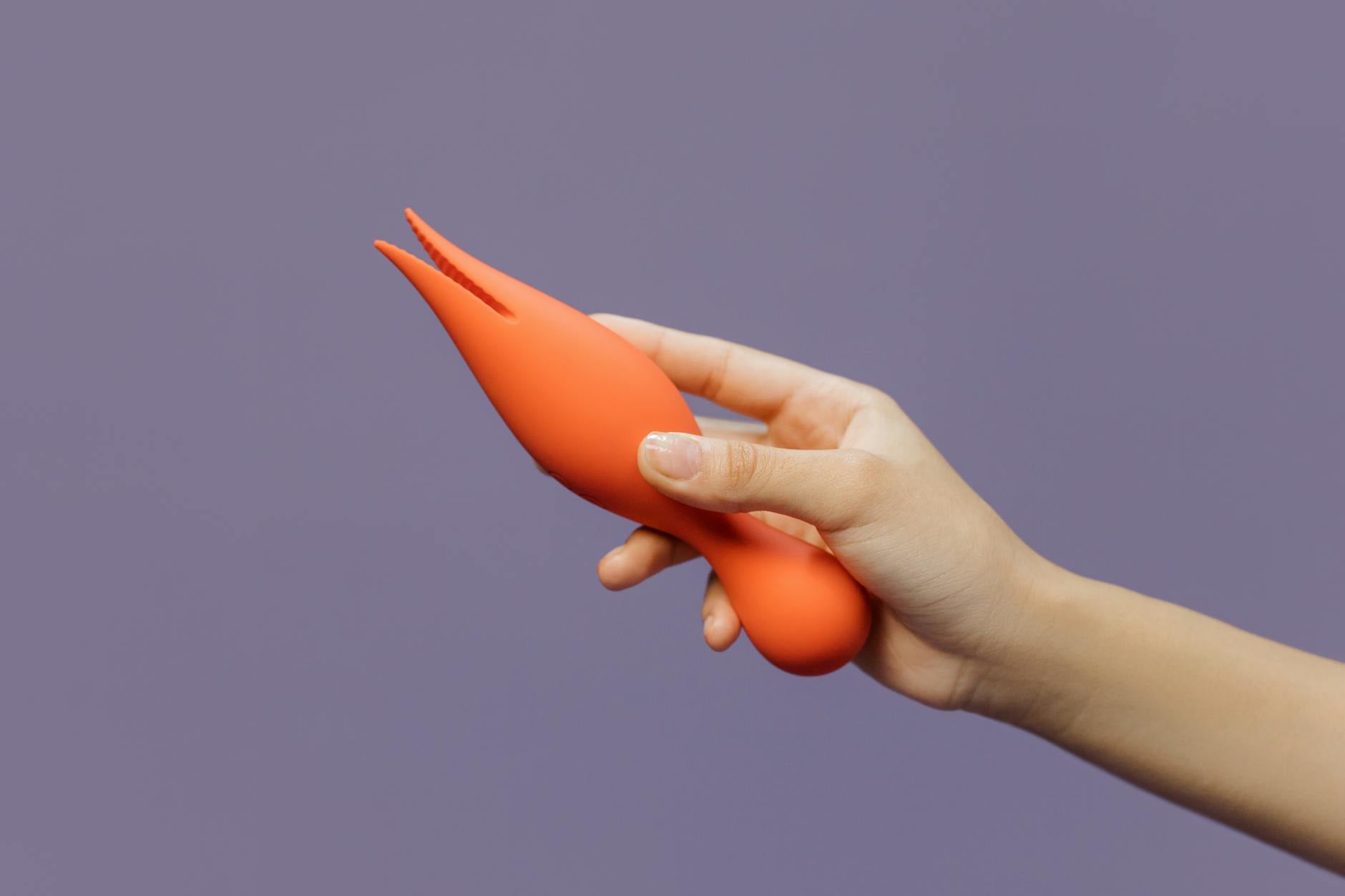
Photo by cottonbro studio on Pexels
The neuroscience of why vibrators break the anxiety loop
Clitoral vibrators, especially models like the lem vibrator with its air-suction technology, do something clever: they create sensation intense enough that your brain has to pay attention to it. This is called stimulus competition. Your prefrontal cortex, the anxious one, gets overridden by the sensory signal coming up from the vibrator.
Think of it like this: your anxiety is playing loud music. A lemon clitoral vibrator turns up the volume on something else. Your brain literally cannot hold both the anxious thought and the intense pleasure signal at the same time.
The suction-style lemon vibrators are particularly effective for anxiety because they don't require the sustained mental focus that manual stimulation does. You're not performing. You're not controlling the rhythm. You're receiving. That difference matters more than you'd think.
How to actually use a lemon vibrator when anxiety is blocking you
The standard approach to vibrators is often wrong for anxious people. Here's what works better.
Start with your nervous system, not your genitals. Spend 5-10 minutes doing something that feels calming. A warm bath. Breathwork. A quiet song. You need to move from sympathetic (fight-or-flight) toward parasympathetic (rest-and-digest) first. Without this step, you're just adding another thing your anxious brain has to perform.
Use low intensity at the beginning. This sounds counterintuitive because intensity feels good. But when anxiety is high, intensity can trigger more overwhelm. Start at setting one on your lemon vibrator and stay there for 2-3 minutes. Let your nervous system acclimate. Let sensation become normal instead of shocking.
Give yourself permission to stop. Anxious people often white-knuckle through pleasure because we're afraid if we pause, we'll lose the momentum. Instead, tell yourself: "I can stop whenever I want." This paradoxically helps you relax because your anxious brain stops bracing for failure.
Use lube, even if you think you don't need it. Anxiety suppresses natural lubrication. Adding lube removes one more thing your anxious brain can worry about. It's a practical permission slip.
Consider solo use first. When you're managing anxiety and arousal together, a partner adds another emotional variable. How to use a lemon vibrator for solo pleasure without a partner explores this in detail. Solo sessions let you focus on what your body actually wants without worrying about someone else's experience.
The breathing technique that shifts everything
Here's something clinical research actually backs up: deep breathing changes which nervous system branch is active in about 60 seconds. This is real. It's not meditation woo. It's vagal tone.
Two minutes before you start using your lemon sexual toys, try 4-7-8 breathing: inhale for 4 counts, hold for 7, exhale for 8. The long exhale activates the parasympathetic nervous system. Do this three times. Your cortisol drops. Your body stops bracing. Then use your vibrator.
Many of my clients find this the difference between pleasure feeling distant and pleasure feeling accessible.
When to talk to someone about it
If anxiety is severe enough that no amount of breathing or vibration helps, it might be worth talking to a therapist, especially one trained in cognitive-behavioral therapy or somatic experiencing. Anxiety that blocks arousal often has roots deeper than just stress. Sometimes it's about safety, sometimes it's about control, sometimes it's old relationship patterns.
Lemon clitoral vibrators are a good tool. They're not a replacement for addressing the underlying anxiety if it's chronic.
The reframe that actually helps
Here's what I tell my couples: anxiety during sex isn't a sign you're broken. It's a sign your nervous system is working exactly as designed. It's protecting you. The goal isn't to force pleasure despite the anxiety. It's to create conditions where pleasure becomes safer than anxiety.
A lemon vibrator is one of those conditions. When arousal takes longer after major life stress, returning to pleasure takes patience and tools that work with your body, not against it. The vibrators that stimulate without requiring mental effort are usually the ones that win.
Your nervous system will calm down. Pleasure is still available to you. Sometimes you just need the right tool and a little time.
People also ask
Can anxiety permanently affect arousal?
No. Anxiety suppresses arousal while it's active, but arousal capacity itself doesn't disappear. Once the anxiety subsides and your nervous system returns to baseline, arousal usually returns. The key is not assuming temporary arousal loss is permanent.
Why does a vibrator feel different than manual touch when I'm anxious?
Because a vibrator's consistency and intensity remove one variable your anxious brain has to think about. With manual touch from a partner, you might worry about rhythm, pressure, timing. With a vibrator, especially a clitoral vibrator with preset patterns, those decisions are made for you. That reduction in mental load is often enough to let pleasure through.
Is it okay to use a lemon vibrator every day if I'm managing anxiety arousal?
Yes. Daily use won't desensitize you if you're managing anxiety, because anxiety naturally suppresses sensation. The vibrator isn't creating numbness; it's working around the block. That said, if daily use ever feels obligatory rather than pleasurable, that's worth checking in with yourself about.
Does using a lemon adult toy when anxious mean I can't have pleasure without one?
No. A vibrator is a tool that creates the conditions for pleasure when anxiety is blocking it. As your anxiety management improves over time, pleasure often becomes accessible without the tool. But there's no rule against always using one if you want to.
Will my partner understand why I need a vibrator to manage anxiety-related arousal issues?
Some will immediately. Some won't. The conversation that helps most is honest: "When I'm anxious, my body shuts down. This tool helps me reconnect with pleasure. It's not about you or something you're doing wrong. It's about my nervous system needing help." Most partners care way less about the vibrator than you think. They care that you're finding your way back to pleasure.
How long does it usually take for anxiety management with vibrators to actually work?
Many people feel a shift within 2-3 sessions. The nervous system is fast at learning when it feels safer. But real, sustained change usually takes 4-6 weeks of consistent practice. Your brain needs repetition to learn that pleasure is possible even when anxious.
The long version
Anxiety and arousal exist on opposite ends of your nervous system. One is protective. One is open. You can't be fully in both at the same time. That's not a failure of your desire or your body. That's just neurology.
What lemon clitoral vibrators do brilliantly is give your nervous system something more interesting to pay attention to than your anxious thoughts. They're not therapy. They're not a fix. They're a bridge back to a part of yourself that the anxiety temporarily obscured.
If you're struggling with anxiety-related arousal, start small. Breathe. Use low intensity. Give yourself permission to stop. And remember that pleasure is still yours. Sometimes you just need the right tool to access it.
If you want to talk through what might work best for your specific situation, reach out to us. We're here to help.